


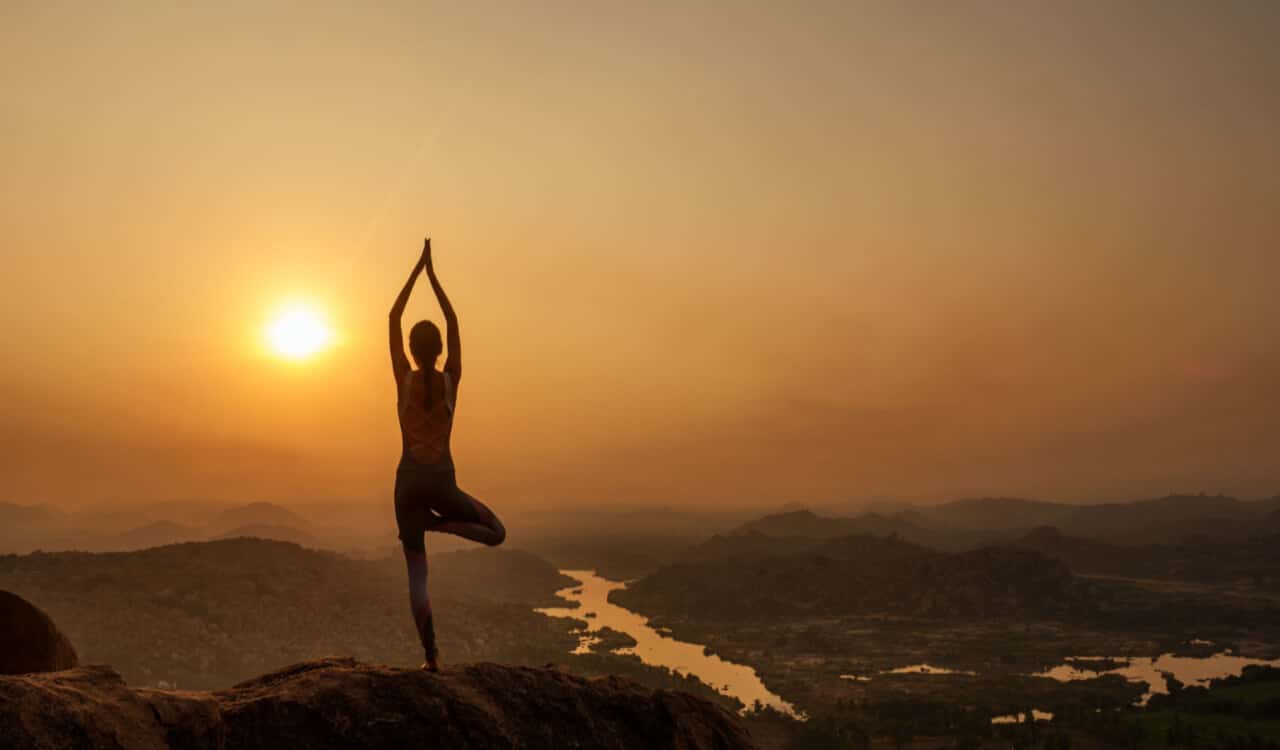
Surya Namaskar Ek, Fayde Anekh. The term Surya Namaskar translates to “salutation to the sun,” where Surya stands for “the sun” and Namaskar means “to bow in reverence.” Over the years, this yogic practice has gained immense popularity as it incorporates a series of 12 yoga postures in a sequential flow.
Engaging in Surya Namaskar on a daily basis aids in harmonizing the three primary energies of your body: Kapha, Pitta, and Vata. This balance can significantly enhance your life, boosting your creativity and intuition. Its straightforward yet potent poses allow individuals of all ages to practice it effortlessly, anytime and anywhere.
Types of Surya Namaskar
Throughout history, Surya Namaskar has transformed, leading to a variety of styles and adaptations. This unique yogic practice has not only persisted but has also broadened its reach, finding a place in diverse yoga traditions.
Let’s explore the different types below:
1. Ashtanga Surya Namaskar: The Ashtanga variant features two forms of sun salutations: Type A, which includes 9 Vinyasas, and Type B, consisting of 17 Vinyasas.
2. Hatha Surya Namaskar: This style emphasizes the 12 spinal postures with a strong focus on breathing. Hatha Surya Namaskar is among the most popular styles due to its accessibility.
3. Iyengar Surya Namaskar: Similar to Hatha, Iyengar Surya Namaskar places a greater emphasis on pace and energy, performed at a quicker tempo compared to other variations.
How To Practice Surya Namaskar – Hatha Style
Let’s delve into the 12 fundamental postures of traditional Hatha Surya Namaskar.
Pose 1 – Prayer Pose (Pranamasana)
Execution:
- Begin by standing tall at the front of your yoga mat, feet together, with arms relaxed at your sides.
- Close your eyes and bring your palms together at the center of your chest, allowing your body to relax.
Benefits:
- This pose calms the nervous system and aids in improving balance, relieving stress and anxiety.
Pose 2 – Raised Arms Pose (Hasta Uttanasana)
Execution:
- Start by exhaling deeply.
- Inhale, stretching your arms forward and lifting them overhead.
- Gaze upwards and gently arch your back by pushing your pelvis forward.
- Exhale, focusing on your breath as you bend backward and forward.
Benefits:
- Stretches and tones abdominal muscles.
- Extends the body from heels to fingertips.
Pose 3 – Hand to Foot Pose (Hasta Padasana)
Execution:
- Exhale and fold forward, maintaining a long spine.
- Place your hands on the floor, fingertips lightly touching the ground.
- Bend your knees enough for your chest to rest on your thighs, allowing your head to touch your knees. Hold this pose for a few seconds.
Benefits:
- Enhances spine flexibility.
- Stretches hamstrings and strengthens the muscles of the legs, shoulders, and arms.
Pose 4: Equestrian Pose – Ashwa Sanchalanasana
Execution:
- Step your right leg back, placing the knee on the ground while tucking your toes under.
- Bend the left knee, keeping the foot flat on the floor.
- Press your palms or fingertips to the ground, roll your shoulders back, and look upwards.
Benefits:
- Strengthens leg muscles and spine.
- Assists in alleviating indigestion and constipation.
Pose 5 – Mountain Pose (Parvatasana)
Execution:
- Exhale slowly, bringing your palms to the floor and stepping your left foot back beside your right, lifting your hips into the air.
- Lengthen your spine and draw your shoulders towards your ankles. Breathe deeply here.
Benefits:
- Enhances posture and calms the mind.
Pose 6 – Ashtanga Namaskara
Execution:
- Exhale, bending your knees to the ground with toes curled under, pushing your head forward towards the floor.
- Keep elbows close to your sides for additional strength.
- As you gain strength, lower your chest while keeping your hips and abdomen elevated.
Benefits:
- Enhances flexibility in the back and spine.
- Strengthens back muscles and alleviates built-up tension.
This pose engages your chin, chest, both feet, both knees, and both hands simultaneously.
Pose 7 – Cobra Pose (Bhujangasana)
Execution:
- Keep your hands and feet where they are, and take a deep breath.
- Slide forward, lifting your chest like a cobra.
- Roll your shoulders back, bending your elbows and squeezing them together.
- Gradually look up.
Benefits:
- Improves flexibility and uplifts mood.
- Simultaneously stretches the shoulders, chest, back, and leg muscles.
Pose 8 – Mountain Pose (Parvatasana)
Execution:
- As you exhale, tuck your toes under (similar to pose 5).
- Press back into an inverted V position, lengthening through your spine and bringing your shoulders towards your ankles. Breathe deeply here. As you exhale, lift your hips toward the sky and press your hands into the ground.
Benefits:
- Increases blood circulation to the spinal area.
This pose also strengthens your arm and leg muscles.
Pose 9 – Equestrian Pose (Ashwa Sanchalanasana)
Execution:
- Bring your left foot forward between your hands while pushing your pelvis forward. Lift your torso and tilt your head back, arching your back and gazing at the sky (similar to pose 4).
Benefits:
- Enhances flexibility in the leg muscles and tones the core.
- Strengthens the spine.
Pose 10: Hand to Foot Pose – Hasta Padasana
Execution:
- Exhale, keeping the right foot forward and bringing the legs together (similar to pose 3).
- Bend your knees just enough for your chest to rest against your thighs, allowing your head to touch your knees.
Benefits:
Enhances blood circulation, stretches body muscles, and increases spine flexibility.
Pose 11 – Raised Arms Pose (Hasta Uttanasana)
Execution:
- As you inhale, stretch your arms forward and lift them overhead (similar to pose 2).
- Look up and gently arch your body backward by pushing your pelvis forward.
- Exhale.
Benefits:
- Enhances respiratory function, alleviates lower back pain, and combats fatigue. It also aids in digestion.
- Expands the chest, promoting a full intake of oxygen.
Pose 12 – Standing Mountain Pose (Tadasana)
Execution:
- Finally, exhale and return to the prayer position (similar to pose 1).
- Lower your arms gradually and gently.
Benefits:
- Strengthens thighs, knees, and ankles, while improving posture.
- Tones your hips and abdomen, enhancing agility and blood circulation.
These 12 poses collectively constitute one complete cycle of Surya Namaskar. Ideally, practicing 12-15 cycles daily will provide substantial benefits, keeping you fit and healthy for a brighter future.
- Balance of Dosha: The three doshas—Pita, Kapha, and Vata—can become unbalanced due to various factors such as environmental changes, dietary choices, unhealthy habits, workplace stress, and poor sleep. Regular practice of Surya Namaskar can help maintain your dosha in harmony.
- Weight-Loss Booster: Engaging the abdominal muscles through Surya Namaskar can assist in burning additional calories. It also regulates hormonal secretions from the thyroid, which play a significant role in weight management.
- Enhancement of Mental Health: Surya Namaskar is effective in sharpening concentration and calming the mind, reducing fatigue, stress, negative emotions, and anxiety. A brief 15-minute daily practice can significantly revitalize your mental faculties.
The HealthifyMe Note
Surya Namaskara is a dynamic practice where each of the 12 steps offers unique benefits. Ideally, it should be performed at sunrise on an empty stomach to maximize its effects. Beyond physical advantages, it is a great stress reliever and revitalizing experience.
Conclusion
The physical advantages of Surya Namaskar are numerous. This 12-pose yogic practice lubricates all joints in your body while synchronizing with your breath, leading to enhanced physical health and improved mental focus. Regularly completing 12 rounds of Surya Namaskar not only offers extensive benefits but also aids in self-discovery, keeping your body healthy and fit from within!
Disclaimer: This article aims to provide information and raise awareness. It is not intended to replace professional medical advice.
Frequently Asked Questions (FAQs)
Q. What are the 12 steps of Surya Namaskara?
Surya Namaskar comprises Pranamasana (Prayer Pose), followed by Hasta Uttanasana (Raised Arm Pose), Hasta Padasana (Hand to Foot Pose), Parvatasana (Mountain Pose), Ashtanga Namaskara (Eight Limbed Pose), Bhujangasana (Cobra Pose), again Parvatasana (Mountain Pose), Ashwa Sanchalanasana (Equestrian Pose), Hasta Padasana (Hand to Foot Pose), Hasta Uttanasana (Raised Arm Pose), and concluding with Tadasana (Standing Mountain Pose).
Q. How many Surya Namaskara should be practiced daily?
If you are new to this practice, start with four to five repetitions each day. You can gradually increase the number of cycles as you progress. However, if you experience any discomfort or pain, it’s advisable to consult a healthcare professional immediately.
Q. What are the benefits of Surya Namaskara?
Consistent practice of Surya Namaskar offers numerous benefits, including weight loss, enhanced strength and toning of muscles and joints, improved digestive health, better respiratory function, and stress management.
Q. Can I lose 10 kgs with Surya Namaskara?
Yes, Surya Namaskar can contribute to gradual weight loss. A healthy weight loss timeline is approximately 2 kilograms per month, as one cycle of Surya Namaskar can burn about 13.90 calories. However, relying solely on this practice for weight loss may not be ideal. A comprehensive approach, including a balanced diet, proper sleep, and stress reduction, is essential for effective weight management.
Q. What is the best time to perform Surya Namaskara?
Surya Namaskar can be practiced at any time of the day. However, sunrise is considered the optimal time as the early morning sun refreshes both body and mind.