


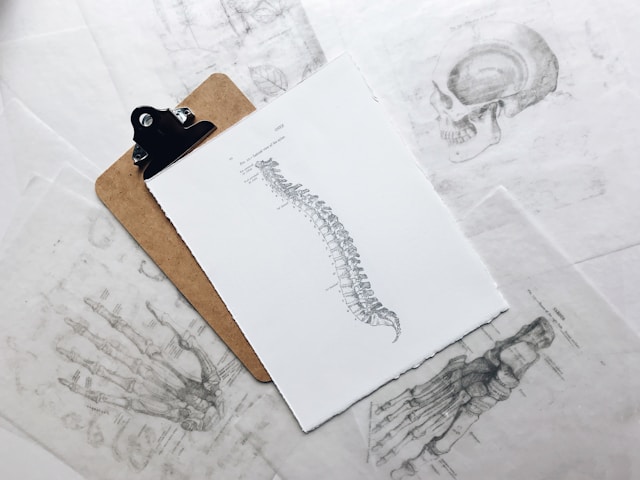
When considering wellness, many envision a lifestyle filled with nutritious eating, regular exercise, and ample sleep. While these practices are undeniably essential, true wellness encompasses more than merely ticking off items from a healthy living checklist. It involves how effectively your body operates daily, enabling you to move freely, recover swiftly, and relish the activities that hold significance in your life.
Chiropractic care is often linked to alleviating back or neck discomfort, yet many are surprised to discover its significant role in fostering a wellness-oriented lifestyle. Instead of merely addressing pain once it arises, chiropractic care promotes awareness of bodily movements and functions, helping individuals identify minor issues before they escalate into major challenges.
Wellness Begins With Movement
The human body is inherently designed for movement. Whether walking your dog, gardening, playing with kids, working at a desk, or training for a marathon, engaging in healthy movement is fundamental to overall wellness.
Regrettably, modern lifestyles often hinder healthy movement. Many adults spend countless hours seated at computers, hunched over their phones, or commuting in static positions daily. Over time, these repetitive behaviors can lead to stiffness, decreased mobility, poor posture, and muscular imbalances.
When movement becomes painful, many individuals tend to reduce their activity levels. This decline in activity can adversely affect overall health, impacting everything from cardiovascular fitness to stress levels.
Maintaining healthy joints, muscles, and spinal flexibility can facilitate continued physical activity and participation in the pursuits that enhance long-term wellness.
Looking Beyond Discomfort
Pain often demands our attention, yet it isn’t always the initial indicator that attention is needed. Individuals may notice they find it harder to turn their heads while driving, experience unusual stiffness upon waking, or tire more quickly during routine activities.
These subtle signs may merely reflect the effects of daily life, aging, repetitive motions, or extended periods of sitting. Addressing mobility issues early on can help individuals stay active and prevent compensatory movement patterns.
A wellness-oriented approach prompts individuals to recognize these early signals rather than waiting until discomfort significantly disrupts their daily lives.
The Link Between Posture and Daily Health
Good posture is not merely about standing perfectly upright throughout the day. It’s about allowing your body to move efficiently while minimizing unnecessary stress on muscles and joints.
In our technology-driven environment, many are prone to developing forward head posture, rounded shoulders, and extended periods of sitting. Even those who regularly exercise may still find themselves seated for eight hours or more each day.
Poor posture can lead to muscle fatigue, tension, and discomfort throughout the day. Making simple adjustments to your workstation ergonomics, taking frequent movement breaks, strengthening supportive muscles, and maintaining spinal flexibility can all contribute to a healthier routine.
Chiropractors frequently emphasize the importance of posture because it directly affects how the body functions during daily activities. The aim is not perfection in posture, but rather comfortable, efficient movement that promotes overall wellness.
Recovery Is Essential to Wellness
Many individuals emphasize exercise yet neglect the importance of recovery. Whether it’s completing an intense workout, spending a weekend on yard work, or managing a stressful week at the office, your body needs sufficient recovery time.
Effective recovery includes:
- Quality sleep
- Adequate hydration
- Balanced nutrition
- Regular physical activity
- Stress management
- Appropriate rest periods between intense activities
Some individuals also integrate chiropractic care into their broader recovery regimen, alongside stretching, massage, strength training, and mobility exercises. Since every individual has unique needs, personalized wellness plans are often the most effective.
Wellness Is a Combination of Healthy Habits
Transforming one’s health overnight through a single habit is rare. Instead, wellness is typically cultivated through consistent daily choices.
These habits may encompass:
- Daily physical movement
- Strengthening muscles that support good posture
- Taking breaks from extended periods of sitting
- Managing stress through mindfulness or relaxation techniques
- Ensuring adequate sleep
- Eating a balanced diet
- Staying well-hydrated
- Seeking appropriate healthcare guidance when concerns arise
Rather than seeing chiropractic care as a standalone solution, many healthcare professionals advocate for viewing it as one element within a comprehensive wellness strategy.
As Dr. Alex Klein of Cedar Park Chiropractic Relief articulates:
“Our aim is not merely to alleviate someone’s discomfort today. We aspire to help individuals move more effectively, understand their bodies better, and cultivate habits that foster long-term health. Wellness is not about perfection; it’s about making consistent choices that enable you to remain active and enjoy life.”
Small Adjustments Yield Significant Results
A prevalent myth about healthy living is that it necessitates drastic lifestyle changes. In reality, sustainable wellness often stems from minor improvements that are easy to sustain.
This could entail standing up for a few minutes every hour during work, taking a brief evening stroll after dinner, enhancing your desk setup, stretching before bedtime, or gradually increasing your physical activity levels.
Over time, these seemingly insignificant habits can lead to substantial enhancements in overall well-being.
A Personalized Approach to Wellness
Every individual possesses a unique health history, lifestyle, and aspirations. A competitive athlete, a busy parent, a retiree, and someone working from home each have different demands on their bodies.
For this reason, wellness should never conform to a generalized template.
Healthcare professionals, including chiropractors, primary care doctors, physical therapists, nutritionists, and fitness trainers, each play a vital role in assisting individuals in establishing healthy habits tailored to their specific needs.
For some, this may involve chiropractic care to enhance mobility and musculoskeletal function. For others, it may focus on nutrition, strength training, stress management, or improving sleep quality. Frequently, the most effective wellness strategies combine multiple approaches.
The Bottom Line
Wellness is an ongoing journey rather than a final destination. It is cultivated through consistent habits that enable your body to operate at its peak, allowing you to remain active, resilient, and engaged in daily life.
While chiropractic care is primarily recognized for addressing musculoskeletal issues, it can also enhance a broader commitment to healthy living by supporting movement, mobility, posture, and overall physical functionality. When combined with regular exercise, a nutritious diet, restorative sleep, and effective stress management, it becomes a crucial element of a holistic approach to lifelong wellness.
The healthiest lifestyle isn’t necessarily the most complex one. Often, it is simply the one you can sustain consistently, making one healthy choice at a time.
Author Bio
Dr. Alex Klein is the founder and chiropractor at Cedar Park Chiropractic Relief in Cedar Park, Texas. He is dedicated to helping patients enhance their mobility, alleviate pain, and achieve improved overall health through evidence-based chiropractic care. Dr. Klein believes that wellness is cultivated through consistent, healthy habits and adopts a personalized approach to assist patients in moving better, feeling better, and leading active lifestyles. Click here to learn more about Dr. Alex Klein.
.jpg?w=150&resize=150,150&ssl=1 "This Liz Earle Cleansing Balm is the Secret to Achieving Radiant Skin")

