


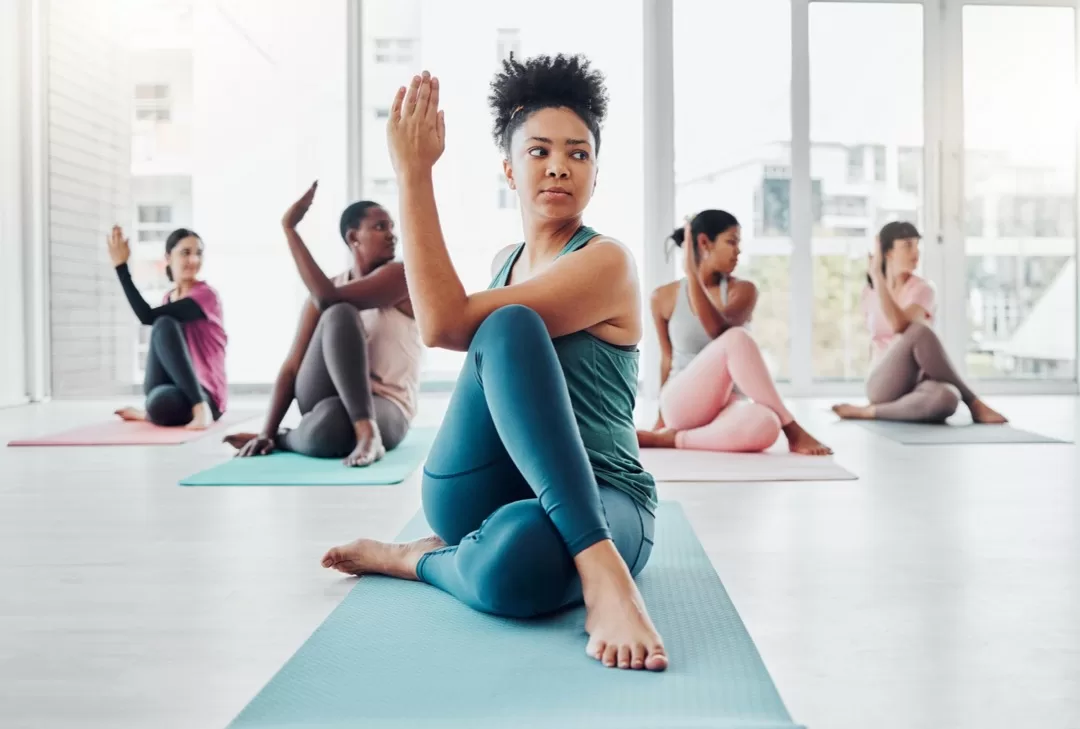
Many individuals struggle to remain still and quiet their thoughts for over a minute. Engaging in a few yoga poses prior to meditation can effectively prepare both your mind and body, allowing you to sit comfortably and at ease for extended durations. Various poses are available to help stretch and strengthen muscles, enhance posture and balance, and soothe the nervous system. Integrating these yoga postures into your daily regimen can amplify the advantages of your meditation practice while promoting overall physical and mental health. Therefore, before your next meditation session, unroll your yoga mat and practice a few asanas to ready your body and mind for meditation.
Why is meditation challenging for many?
One major challenge in meditation is the difficulty of remaining still for a prolonged period. This immobility may lead to discomfort, pain, and a sense of restlessness. Many people are not accustomed to staying still, which can result in feelings of stiffness, aches, and fidgetiness. However, with consistent practice, you can learn to sit comfortably and enhance your focus during meditation. Incorporating yoga poses beforehand can help acclimate your body to this stillness, aiding in building strength and flexibility while alleviating discomfort.
The significance of a stable and comfortable seated position
Establishing a steady and comfortable seated posture is vital for sustaining focus and relaxation throughout meditation sessions. Achieving a properly aligned pose for meditation allows for slow, deep breaths and minimizes any physical discomfort. Without a solid foundation, bodily distractions can interfere with the mind, making the meditation practice challenging to maintain. Experiment with various poses for meditation, such as Sukhasana (Easy Pose), Vajrasana (Thunderbolt Pose), or Ardha Padmasana (Half Lotus Pose), to discover a suitable, comfortable, and sustainable cross-legged position for your practice.
Advantages of practicing asanas before meditation
Practicing asanas, or yoga poses, prior to meditation is an excellent way to ready your body and mind for a more profound meditative experience. By engaging in a series of physical postures and breathing techniques, you can alleviate tension, strengthen your core, and enhance your posture, which ultimately helps you sit more comfortably for extended periods. Doing yoga before meditation can also assist in calming your mind and sharpening your focus, facilitating a smoother transition into a deep meditative state. Furthermore, asanas can activate your chakras and improve the flow of prana, keeping you alert and energized during meditation. Incorporating asanas before meditation can amplify the benefits of your meditation practice, leaving you feeling refreshed, relaxed, and centered.
How to choose the most suitable asanas
Selecting the right yoga poses that are accessible and safe for your practice is essential for maximizing benefits. While ensuring balance among different types of poses is important, there are specific reasons to prioritize certain poses over others. Opt for more backbends if you aim to invigorate your body, or focus on forward folds to achieve a sense of calm and relaxation. Choose poses that address your body’s tightest areas to enhance your relaxation during meditation. Including a few challenging asanas can also help build inner strength, willpower, and determination. Hip-opening and heart-opening postures are particularly beneficial if you require emotional regulation before meditation.
Ensure your practice is well-rounded, incorporating a mix of standing poses, seated poses, twists, forward folds, and backbends. Lastly, the duration of your practice and the sequencing of asanas play a crucial role in effectively supporting your meditation practice.
Top yoga poses to practice before meditation
Yoga is an exceptional method for preparing your body to meditate, fostering the flexibility, strength, and focus necessary for a comfortable and peaceful extended practice. Remember that the best asanas for you may vary according to your body type, fitness level, and any existing injuries or conditions. As a beginner, it’s advisable to start with basic poses and gradually progress to more advanced ones. Always listen to your body and avoid forcing yourself into any position that feels uncomfortable. Here are 11 yoga asanas that can help you prepare your body for meditation:
- Marjaryasana – Bitilasana (Cat-Cow Stretch) gently warms up the spine and aids in improving your breath. This movement effectively releases tension from the neck, lower back, and shoulders, preparing the body for a meditative state.
- Janu Sirsasana (Seated Head to Knee Pose) stretches the hamstrings, hips, and lower back, alleviating any discomfort you may experience while sitting in your meditation posture.
- Balasana (Child’s Pose) is a gentle pose that stretches the lower back, hips, thighs, and ankles, while calming the mind and relieving stress. It fosters introspection and emotional balance, supporting a deep internal practice.
- Adho Mukha Svanasana (Downward Dog Pose) strengthens the arms, shoulders, and legs, and can help alleviate tension in the spine and neck. Additionally, it directs blood and energy to the head, enhancing mental clarity and focus during meditation.
- Virabhadrasana II (Warrior II Pose) fortifies the legs and core while stretching the hips and groin. This warrior stance cultivates courage, confidence, and inner strength, enhancing your focus during a deep meditation session.
- Bhujangasana (Cobra Pose) stretches the spine, chest, and shoulders, improving posture and breathing. This backbend activates the heart chakra, promoting the free flow of compassion.
- Paschimottanasana (Seated Forward Bend) stretches the hamstrings and lower back while calming the mind and alleviating stress.
- Ardha Matsyendrasana (Seated Twist) releases tension in the spine, hips, and neck, massages the internal organs, and enhances digestion. This twist also helps eliminate negativity from your heart and mind.
- Eka Pada Rajokapotasana (Pigeon Pose) stretches the hip flexors, glutes, and lower back, stimulating the internal organs and enhancing blood circulation.
- Supdha Badha Konasana (Reclining Bound Angle Pose) gently stretches the inner thighs and hips, relieving tension and promoting relaxation. This restorative pose is also an excellent opportunity to practice deep diaphragmatic breathing.
- Setu Bandhasana (Bridge Pose) calms the nerves, energizes the body, and opens the chest and hips. This back-bending asana builds core strength, supporting good posture while seated.
The connection between yoga and meditation
Hatha yoga and meditation complement each other well, as both share similar objectives and benefits, with many individuals finding that one enhances the other. Yoga prepares the body and mind for meditation by alleviating physical tension and mental stress. Chest-opening backbends expand the lungs and chest, while forward folding postures induce a profound sense of relaxation and stillness in the body, all of which support your meditation practice. A regular meditation practice encourages heightened mindfulness, focus, concentration, and inner peace, promoting improved postural alignment and allowing for a deeper experience of asanas.
Other hatha yoga practices that can support meditation
In addition to asanas, various other hatha yoga practices can support meditation. These include pranayama, or breath control, which helps regulate energy flow in the body and calms the mind. Mudras, or hand gestures, can stimulate specific energy channels and promote a meditative state. You can integrate mudras into your meditation practice, such as Chin, Jnana, and Dhyana mudras. Additionally, yoga nidra, often referred to as yogic sleep, is a relaxation technique that helps release both physical and mental tension, allowing for a more profound meditation experience.


