


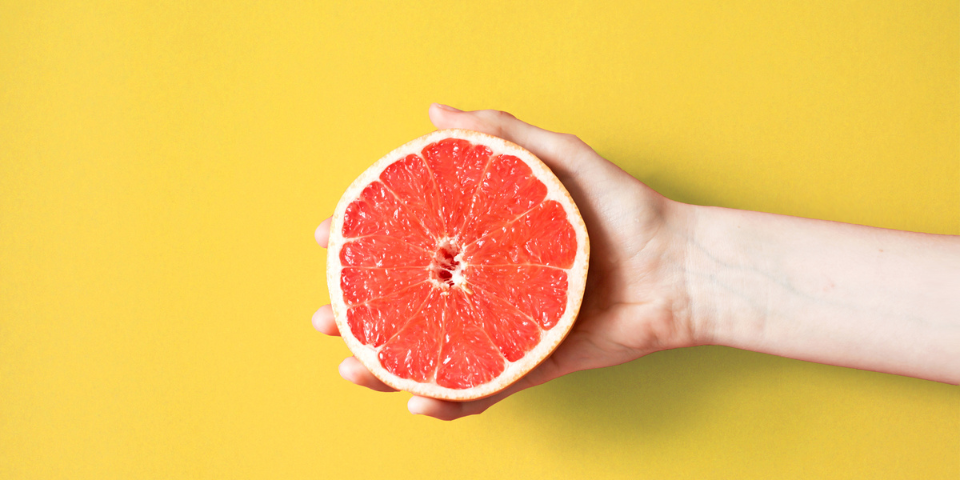
Much like fashion trends in clothing and hairstyles, fad diets appear and disappear, often resurfacing with slight tweaks after several years. Among the most recognized diets that repeatedly come back into popularity is the grapefruit diet.
You may have seen your mother or grandmother diligently consume a grapefruit with a small spoon before each meal in hopes of shedding pounds. Alternatively, perhaps you had a friend who started each day with a glass of grapefruit juice.
Although scientific evidence has not validated the effectiveness of the grapefruit diet, many individuals still turn to this tangy citrus fruit as a strategy for weight loss.
What Is the Grapefruit Diet?
The grapefruit diet has existed in various forms since the 1930s and typically involves consuming half a grapefruit prior to every meal. Some versions of this diet suggest drinking grapefruit juice instead of, or in addition to, eating the fruit itself. More restrictive variations might require you to consume grapefruit and limit your daily calorie intake to just 800 calories while avoiding most carbohydrates.
Why grapefruit? Advocates of the diet argue that the fruit’s enzymes can aid in fat burning and facilitate weight loss. Some online sources even assert that it can help individuals lose up to 10 pounds in less than two weeks.
What Foods Are Included in the Grapefruit Diet?
The grapefruit diet is relatively flexible, allowing you to eat a variety of foods as long as you consume half a grapefruit beforehand. For a diet, this one is quite straightforward!
However, if you opt for the low-carb variant, you’ll need to eat your grapefruit and reduce your intake of carbohydrates, which includes:
- Sugar
- Rice
- Pasta
- Potatoes
- Bread
Nevertheless, this diet doesn’t come with strict guidelines concerning food choices.
Can the Grapefruit Diet Aid in Weight Loss?

To date, researchers have not identified definitive evidence supporting the idea that the grapefruit diet can lead to weight loss; most findings are merely correlational.
A study conducted by Louisiana State University researchers assigned obese adults to consume either half a fresh grapefruit, eight ounces of grapefruit juice, grapefruit capsules, or a placebo. The groups consuming half a grapefruit or drinking eight ounces of grapefruit juice before meals lost approximately 3.5 pounds over 12 weeks. Those taking grapefruit capsules lost only 2.4 pounds, while the placebo group showed negligible changes.
Despite the grapefruit groups experiencing some encouraging outcomes, the researchers ultimately noted that the “mechanism behind this weight loss remains unclear.”
In another study by British researchers, participants were given grapefruit, grapefruit juice, or water before meals over a 12-week period. All three pre-meal options resulted in weight loss, with no significant differences among them, indicating that grapefruit was on par with water.
Supporting these findings, a study published in the journal Metabolism concluded that consuming half a grapefruit before each meal for three weeks did not result in notable weight loss compared to a placebo.
The only studies that have demonstrated a direct correlation between grapefruit juice or extract and weight loss have been conducted on mice. Unfortunately, humans do not share the same physiological characteristics as rodents.
Why Do People Believe Grapefruit Helps With Weight Loss?
“Grapefruit is substantial and filling. Eating it may lead you to consume less of your meal because your stomach feels full,” explains Denis Faye, M.S. “Moreover, the unique taste of grapefruit might dull your taste buds, making other foods seem less appealing.”
In fact, substituting grapefruit for other foods could yield similar outcomes. “It’s akin to having a salad or vegetable soup before your meal,” says nutrition consultant Keri Gans, R.D.N., author of The Small Change Diet. These foods are low in energy density and can fill you up prior to the main dish.
“However, I don’t subscribe to the notion that grapefruit contains special compounds that aid in fat burning,” Faye adds.
Drawbacks of the Grapefruit Diet

“I advocate for variety in one’s diet rather than repetitive meals,” Faye notes. “While starting with a healthy, lower-calorie food can lead to consuming less overall, it’s essential to make wise choices afterward. If you eat a grapefruit and then indulge in fast food, you won’t magically shed pounds.”
Individuals taking statins or blood pressure medications, such as calcium channel blockers, should also steer clear of the grapefruit diet, as these drugs can interact negatively with grapefruit.
Health Benefits of Grapefruit
Aside from weight loss, grapefruit does offer some health advantages. Half of a medium grapefruit consists primarily of water, contains 37 calories, and provides 1.4 grams of fiber. Additionally, it delivers 45 mg of vitamin C (which is half the recommended daily intake for men and 60 percent for women), a nutrient that supports a healthy immune system.
Conclusion
While grapefruit can certainly play a role in a balanced diet, it’s a misconception to believe that merely consuming grapefruit or drinking grapefruit juice will lead to fat loss and weight reduction. To effectively achieve weight loss and maintain it, one should adhere to the proven strategy of regular exercise and a well-rounded diet—grapefruit included, or not.


