


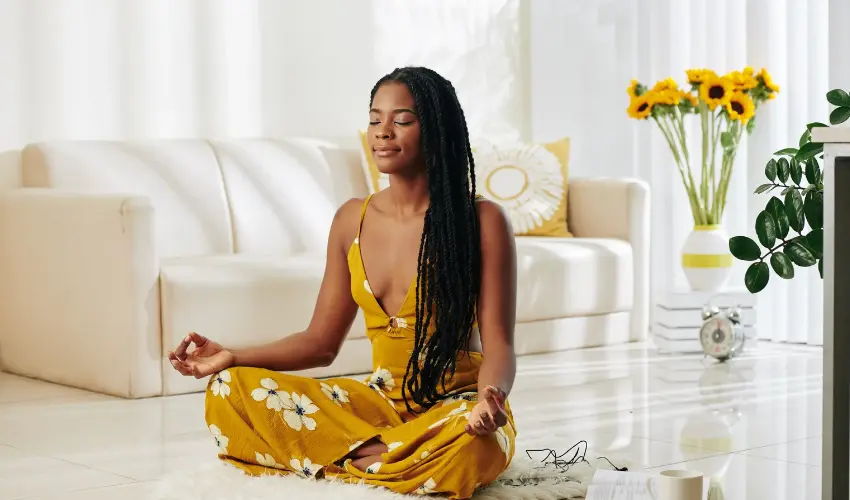
For over two decades, I have embraced the practice of meditation. Yet, even after all this time, there are moments when I feel apprehensive about meditating. My mind can become entangled in worries, convincing me that meditation might cause harm. While this may sound irrational, experiencing anxiety around meditation is quite common, particularly among novices.
It’s natural to fear the unknown, and this is especially true for those attempting meditation for the first time. The experience can be particularly unsettling for individuals who seldom pause for quiet reflection and often surround themselves with noise to avoid silence. For such individuals, the introspection that meditation encourages can feel overwhelming initially. But don’t fret; I’ll provide some helpful strategies shortly.
Interestingly, it’s not just newcomers who may feel intimidated by meditation. Individuals with a background of trauma might encounter unexpected flashbacks or distressing thoughts during their sessions. This is one of the reasons I created a comprehensive guide on how to meditate safely when dealing with trauma. Additionally, if you’ve been intentionally avoiding facing painful emotions, you might find yourself fearing the clarity that meditation can unveil.
So, how can we effectively address this fear?
Strategies for Overcoming Fear of Meditation
First and foremost, it’s crucial to recognize that meditation is highly unlikely to inflict any harm. While there are occasional rare side effects, the practice is predominantly safe. Therefore, we can conclude that our anxieties are largely unfounded, and we can approach them calmly.
If anxiety still overwhelms you, take a gradual approach. Assure yourself that you will only meditate for a few minutes during your initial session. You can always extend the duration later; for now, it’s best to set a modest goal to help you get started.
Once you embark on your meditation journey, it’s essential to engage with your fear in the same manner as you would with any other emotion. Pay attention to where the fear manifests in your body—often around the solar plexus area. Allow it to exist without resistance. Avoid negative thoughts such as “I shouldn’t be feeling this” or “There’s something wrong with me,” as they only heighten anxiety. Instead, remind yourself that it’s merely a sensation, and it’s perfectly okay to experience it.
Consider placing a hand on the affected area and gently reassuring yourself: “It’s okay. I’m here with you. We can manage this.” Prioritize creating a sense of safety in your body.
This is the essence of meditation. You are already practicing it. As the fear begins to dissipate, you can keep going—right from where you are.
Be gentle with yourself. No experience is wasted; even this moment is part of your journey.
If fear persists and doesn’t subside, I highly recommend evaluating your meditation technique. Certain methods, like Vipassana, may lead to uncomfortable experiences such as dissociation or vivid visions. The simple solution is to explore a different technique—consider trying Zazen, where your eyes are slightly open.
Lastly, think about collaborating with a meditation instructor like myself. Having a professional mentor can provide a comforting sense of support during your practice.
Paul Harrison is a seasoned meditation instructor with 25 years of experience, deeply passionate about helping individuals on their mindfulness journey. Renowned for his empathetic and authentic teaching style, he is committed to guiding people and teams toward enhanced clarity and well-being.