

Share the article
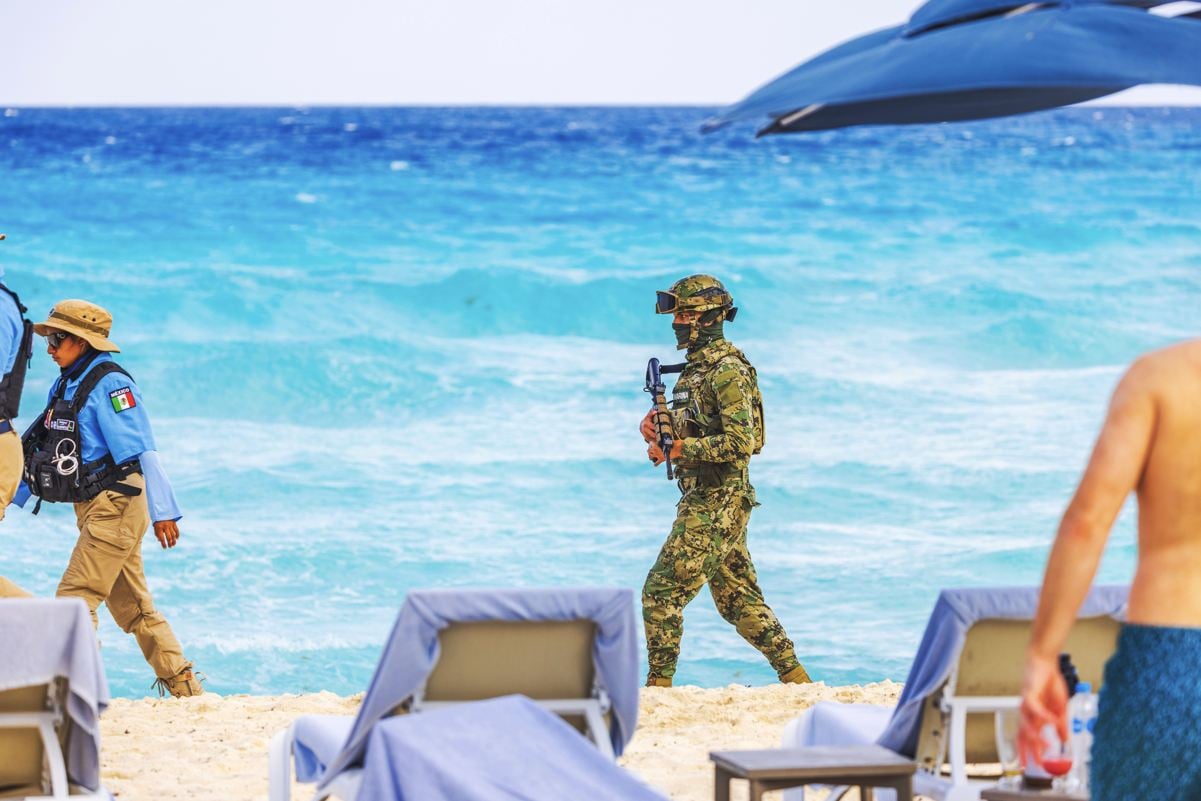
If you’ve ever spent more than five minutes scrolling through a travel forum, a Facebook vacation group, or the comments section of a travel blog, you’ve absolutely seen this debate play out. Someone nervously asks if it’s safe to book a summer vacation to a place like Cancun, Cabo or Punta Cana. Inevitably, dozens of experienced travelers will immediately give the exact same answer: “Honestly, I feel much safer walking through my resort in Mexico than walking through my own downtown.”
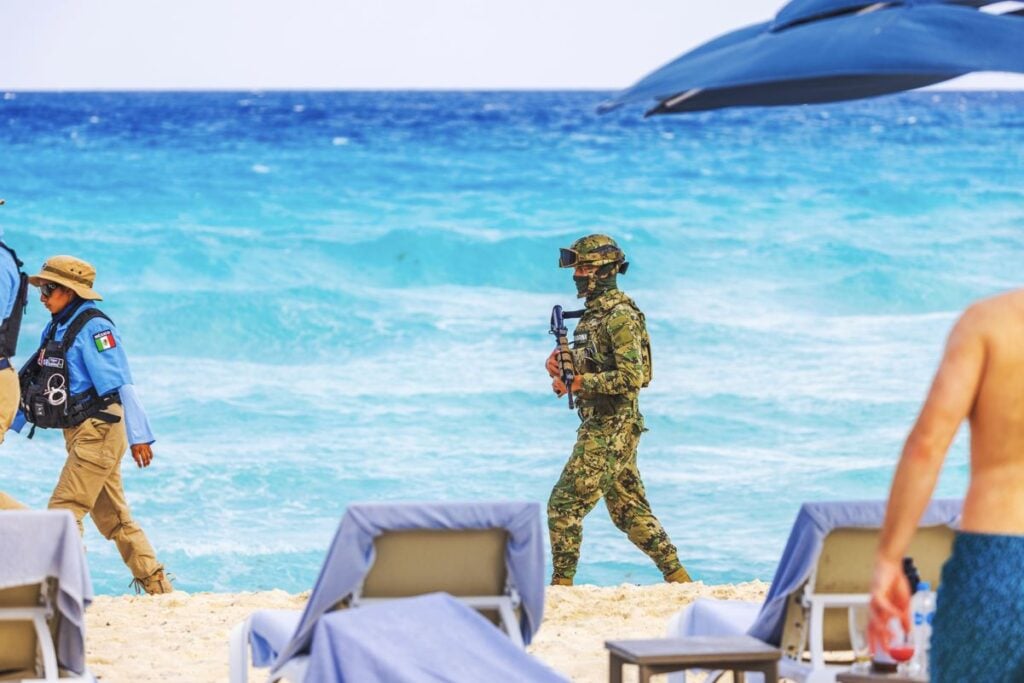
For years, this bold claim has been easily dismissed. People wrote it off as just a wild theory, a slight exaggeration, or just the anecdotal evidence of a few lucky vacationers who happened to have a good trip.
But a huge change has just taken place. Thanks to real-time data collected by the live Safety index for travelersthat long-standing theory is no longer just an internet rumor. It is officially a proven, undeniable fact.
The data finally validates the theory
When you strip away the sensational headlines and ask the actual people currently walking the streets of these destinations, the numbers tell an incredible story. The Traveler Safety Index has recently been aggregated 11,000 verified votes of real people who actively travel the world. The results reveal a huge, very counterintuitive reality.
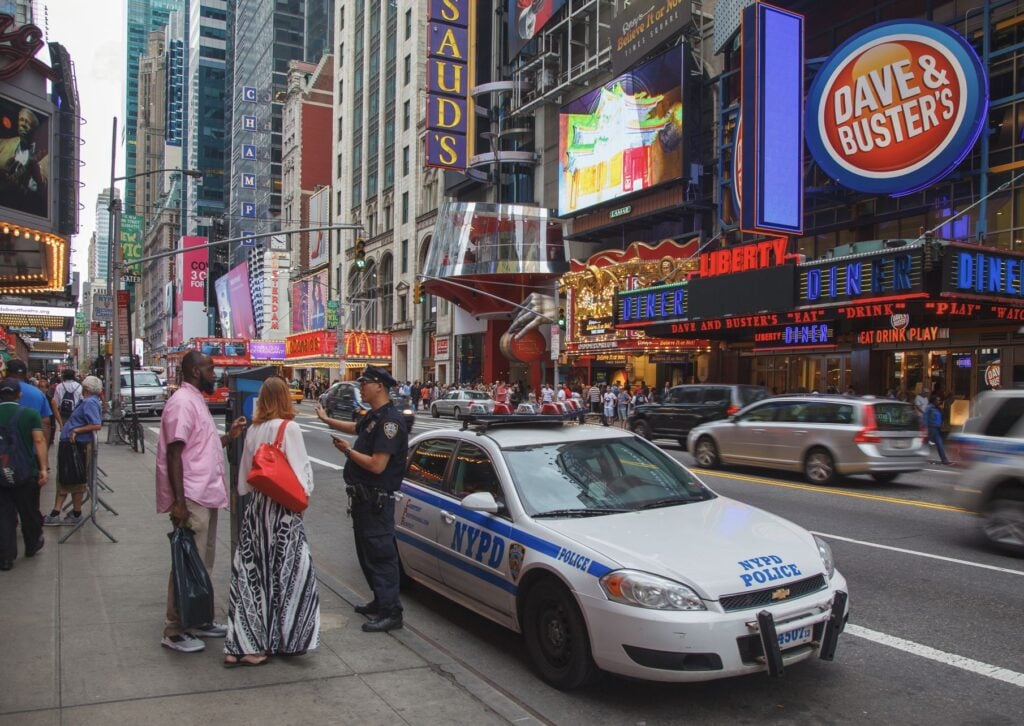
Overall, major US hubs average a safety score of just 76 out of 100. In stark contrast, major international destinations achieve an impressive average score of 86. That’s a big difference of ten points that completely flips the traditional script on travel safety. The figures prove that the classic American city trip actually causes more anxiety and safety concerns than flying across the border to a foreign seaside resort.
The danger changes completely
To understand exactly why Americans feel this way, we need to look closely at the hard numbers driving this trend. The most fascinating part of this new data is not just the overall scores, but also the specific ones typing of the incidents reported by travelers. It completely changes the conversation from “Is it dangerous?” to “What danger are we actually talking about?”
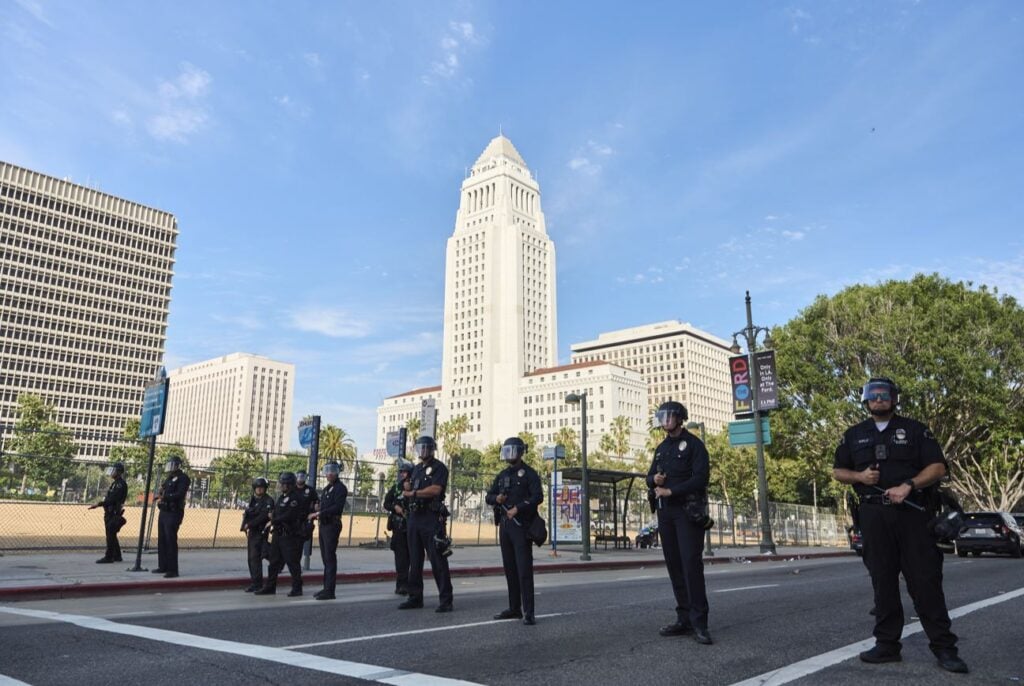
Some of the busiest airports and tourist centers here in the United States are seeing a significant drop in traveler confidence because the nature of the threat is fundamentally different. For example, Los Angeles currently stands at a surprisingly low score of 68, while Atlanta floats right next to it with a 69. Miami is at 73, and Houston manages a 75.
Looking at the incident reports for these major domestic cities, travelers are reporting serious, unpredictable street crime. In Atlanta, users specifically reported armed robberies, assaults and civil unrest. Visitors from Los Angeles noted drugging, armed robbery and assault. Visitors from Miami and Washington DC reported civil unrest and harassment.
Travelers clearly report that the standard hustle and bustle of major domestic cities is increasingly accompanied by highly changeable environments. When you visit a major American city, you enter a huge, functioning metropolis with all its daily realities. You’re dealing with unpredictable, random street crime, which requires you to maintain a much higher level of situational awareness.
The some major domestic outliers the data includes Boston, which scores an impressive 93. His main concern? Two minor reports of theft. This perfectly proves the rule: walkable, well-managed city centers still make people feel completely safe.
The international resort bubble exists
So where do travelers actually relax, let down their guard and find that feeling of total safety? They move south to the Caribbean and the wider international resort circuit.
The top-voted international destinations completely eclipse their American counterparts in terms of sheer peace of mind, and the incident reports show exactly why.
Aruba dominates the entire index with a near-perfect score of 99 out of over 300 votes, and remarkably no incident reports. Cape San Lucas gets a whopping 94 votes out of more than 800 verified votes. Cancunthe undisputed king of the summer holidays, has a very strong 92 with almost 1,700 verified votes. Playa del Carmen matches Cancun perfectly with its own score of 92, and Punta Cana remains incredibly strong with a 90.
When you look at the ‘dangers’ reported in these international beach hubs, they are almost entirely avoidable ‘tourist taxes’ rather than random violent crimes. In Cancun, among 1,700 travelers, the biggest complaints were scams and transportation issues (such as paying too much for a taxi). In Cabo, the biggest problems were scams and street vendors aggressively harassing tourists to buy souvenirs.
Yes, there are isolated reports of drugging in places like Cancun and Playa del Carmen, but these are heavily concentrated in the late-night megaclubs, not on the beaches or resorts. The data proves that visitors staying in their resort bubbles feel completely safe, and the real danger can easily be mitigated by simply avoiding the 2am party scene.
There’s a huge, fundamental difference between paying too much for a taxi ride in Mexico and worrying about an armed robbery in a domestic downtown.
Europe remains a fortress of confidence
It’s not just the tropical beaches that attract these high numbers. Traditional European summer hotspots also easily beat major U.S. cities in overall traveler confidence. Spain has an incredibly strong 95, while Italy And Ireland are tied up 92.
Switzerland also places a 92, and Amsterdam sits comfortably at 90.
Once again, the incident reports validate the scores. In places like Rome (88), Barcelona (73)and even Bali (75)the vast, overwhelming majority of complaints are focused on one thing: pickpockets and street scams. While it’s incredibly frustrating to have your phone swiped on the metro in Barcelona or deal with taxi fraud in Bali, it doesn’t pose the same physical threat as the problems reported in domestic hubs.
European cities benefit hugely from huge pedestrian zones, incredible public transport networks and a deep-rooted café culture that keeps an eye on the streets until late in the evening. You may have to keep your wallet in hand, but you’ll feel completely comfortable walking back to your accommodation after dinner.
The basis for your summer plans
The debate is officially over and the internet commentators were right all along. If your ultimate goal this summer is to unplug, shut off your brain, and not spend your vacation worrying about your physical safety, then the smartest bet is actually to grab your passport and leave the country.
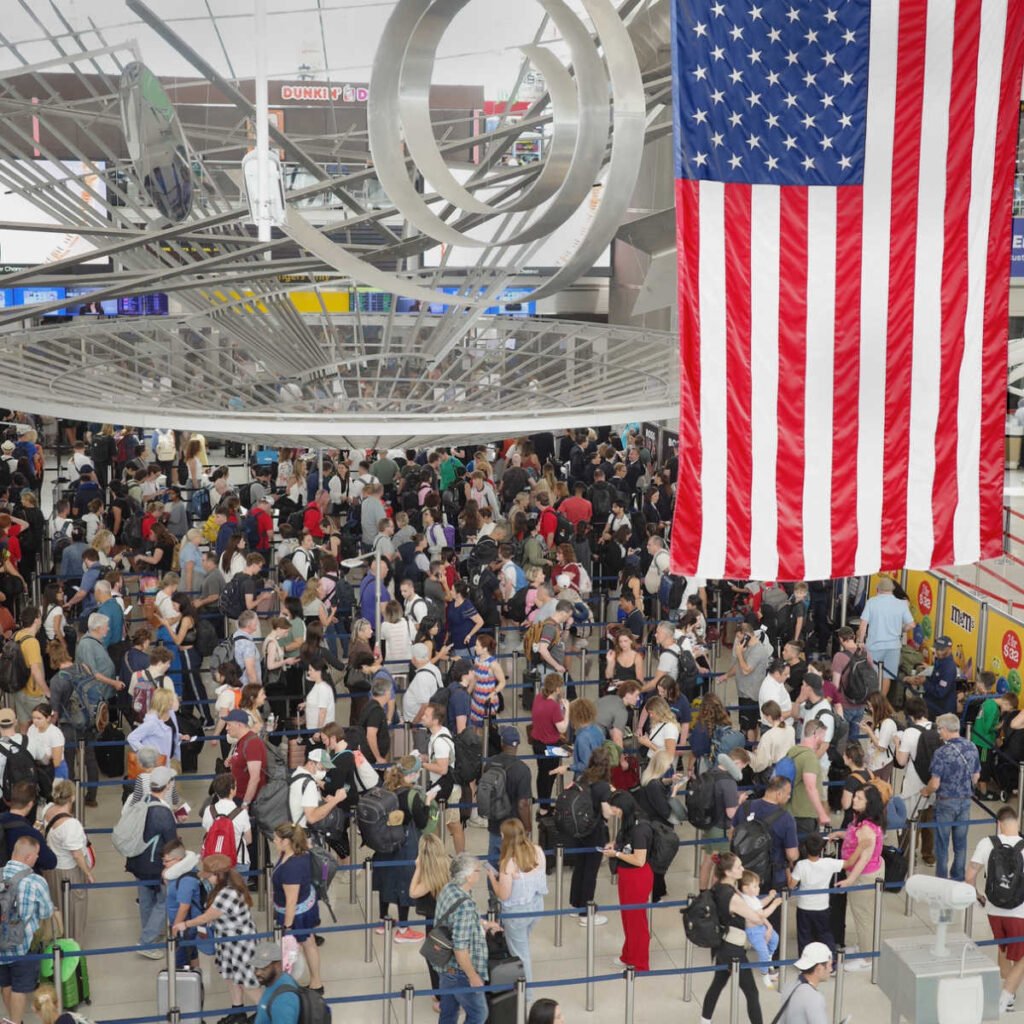
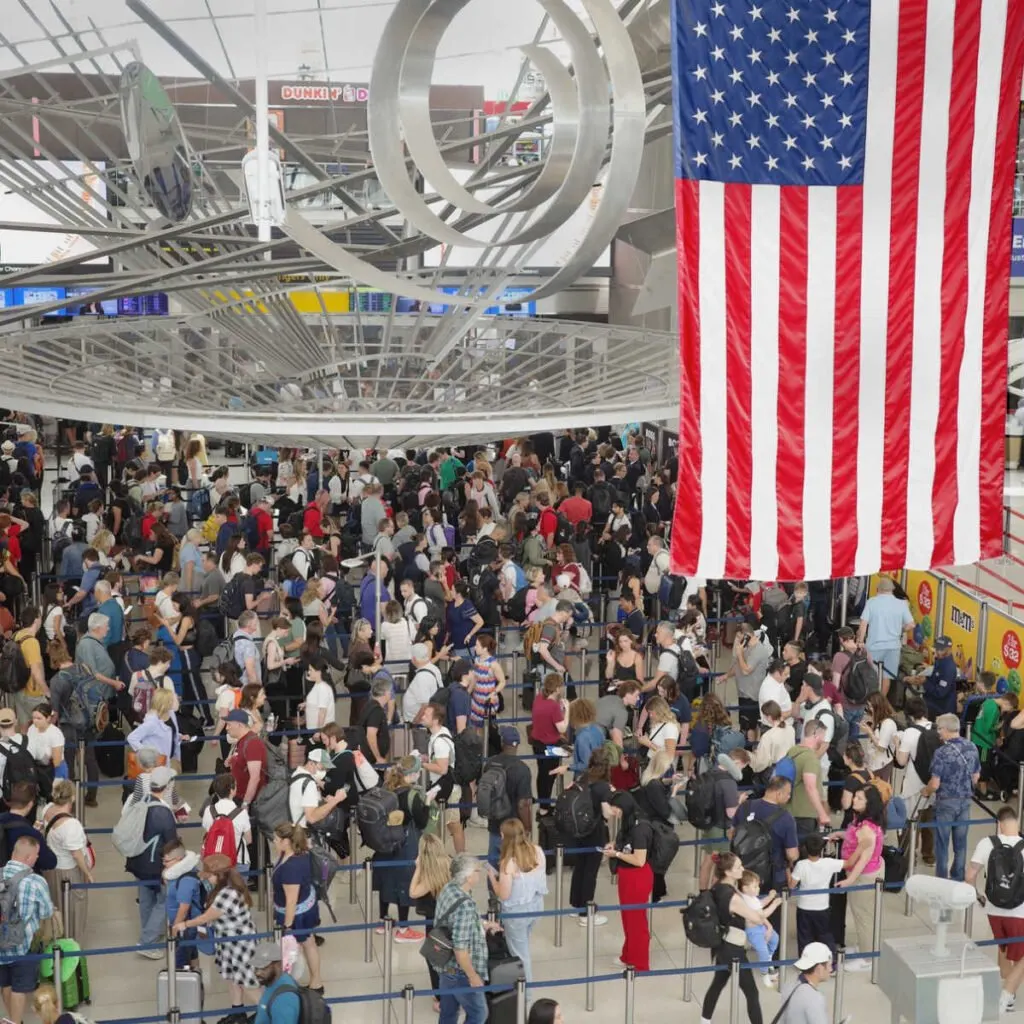
The figures decisively prove that international beach hubs have mastered the art of a safe, stress-free holiday. The “resort bubble” is a very real, very effective safety measure. By choosing a destination whose entire local economy is built specifically to protect and accommodate tourists, you trade the unpredictable variables of an inland city for the minor annoyance of street scams. Millions of travelers look at that trade-off and conclude that true peace of mind is easily found with just a short flight across the border.
You can check the latest safety score for your destination on the Safety index for travelers and refer to it travel advice published by the US Department of State.