


Share the article
Bane of our lives. It seems like the travel rules are getting more and more complicated with each passing month. especially if you are a US citizen.
From being one of the three most powerful passports in the world to ranking 11th, a US travel document no longer gives you the level of hassle-free access you once enjoyed.
Whether it’s asking for pre-authorization to board your flight to London or requiring fingerprinting upon landing in Madrid, entry requirements are changing dramatically.
One of the most sought after destinations in Southeast Asia, known for its otherworldly nature, Bays that are on the UNESCO World Heritage Listand vast coastal cities, Vietnam is no exception:

Americans now have to fill out a form to travel to Vietnam
…On top of the e-visa
As of April 15, arrival procedures in Vietnam have changed again. Jumping on the wider Asian bandwagon, the Land of the Blue Dragon introduces one new E-form applies to all newcomers. This also applies to US citizens.
This is called the ‘Digital Arrival Card’ and must be presented by travelers upon arrival in the country, regardless of whether they are visa-exempt (Americans are not), or can travel visa-free (as is the case with some Europeans).
The E-form can be completed online, usually within 15 minutes.
- Vietnam is not the only country that has recently imposed entry requirements for American travelers. To check your next destination, visit the Entry Requirement Checker here.

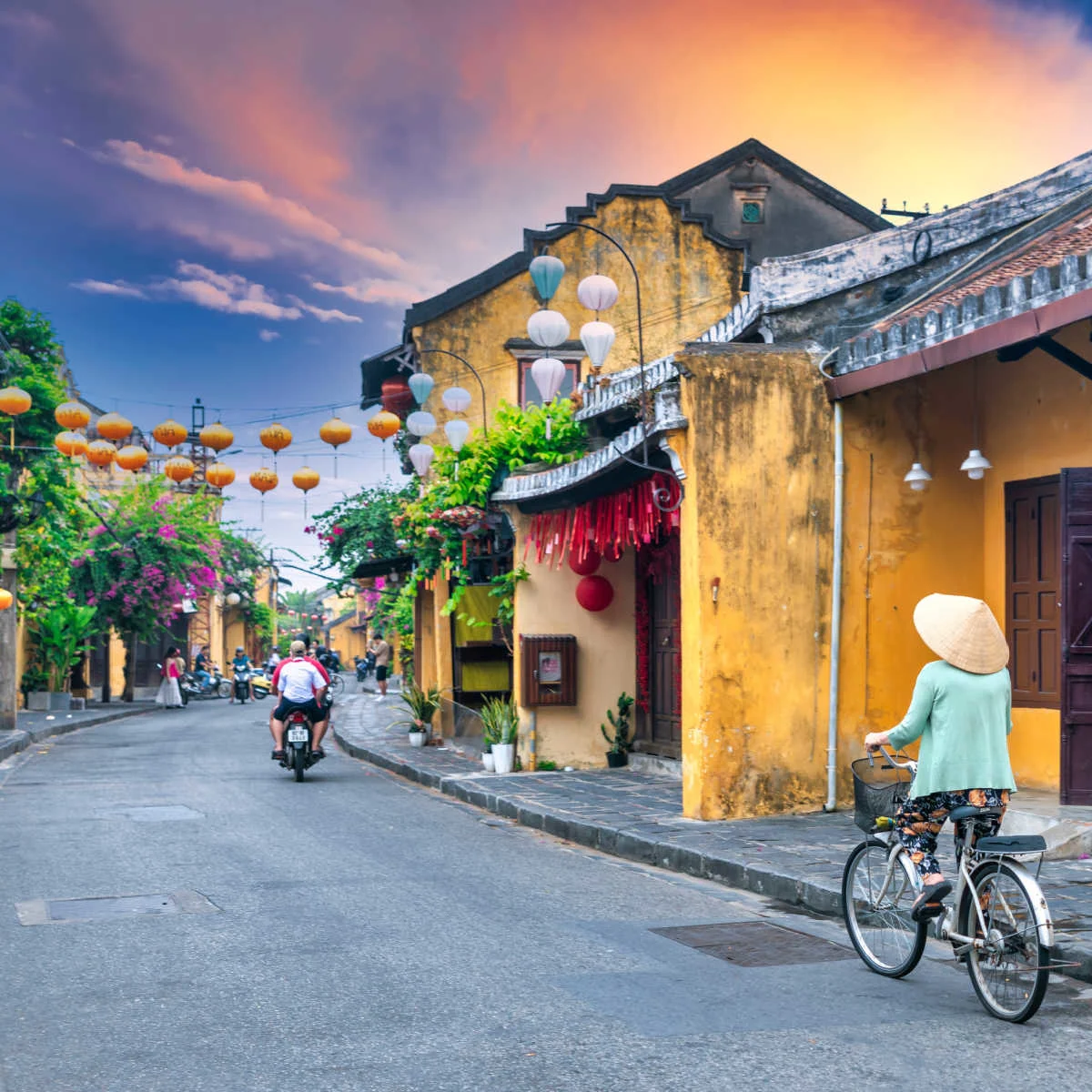
You can, in theoryfly to Vietnam without completing this, as this is different from the e-visa or an electronic travel authorization. If you do this, you will still need to complete the form before undergoing border control this can cause serious delays.
Some airlines may also be stricter about completing the card before you fly, and the last thing you want is to be denied boarding.
In practice you will want to receive your Digital Arrival Card within 72 hours before you actually land in Vietnam.
If you’ve ever gone through the Vietnam e-visa process, you already know that it can drag on and feel like a bit of a slog, and that the official Vietnamese government websites don’t always make things smooth or simple…. to say the least.
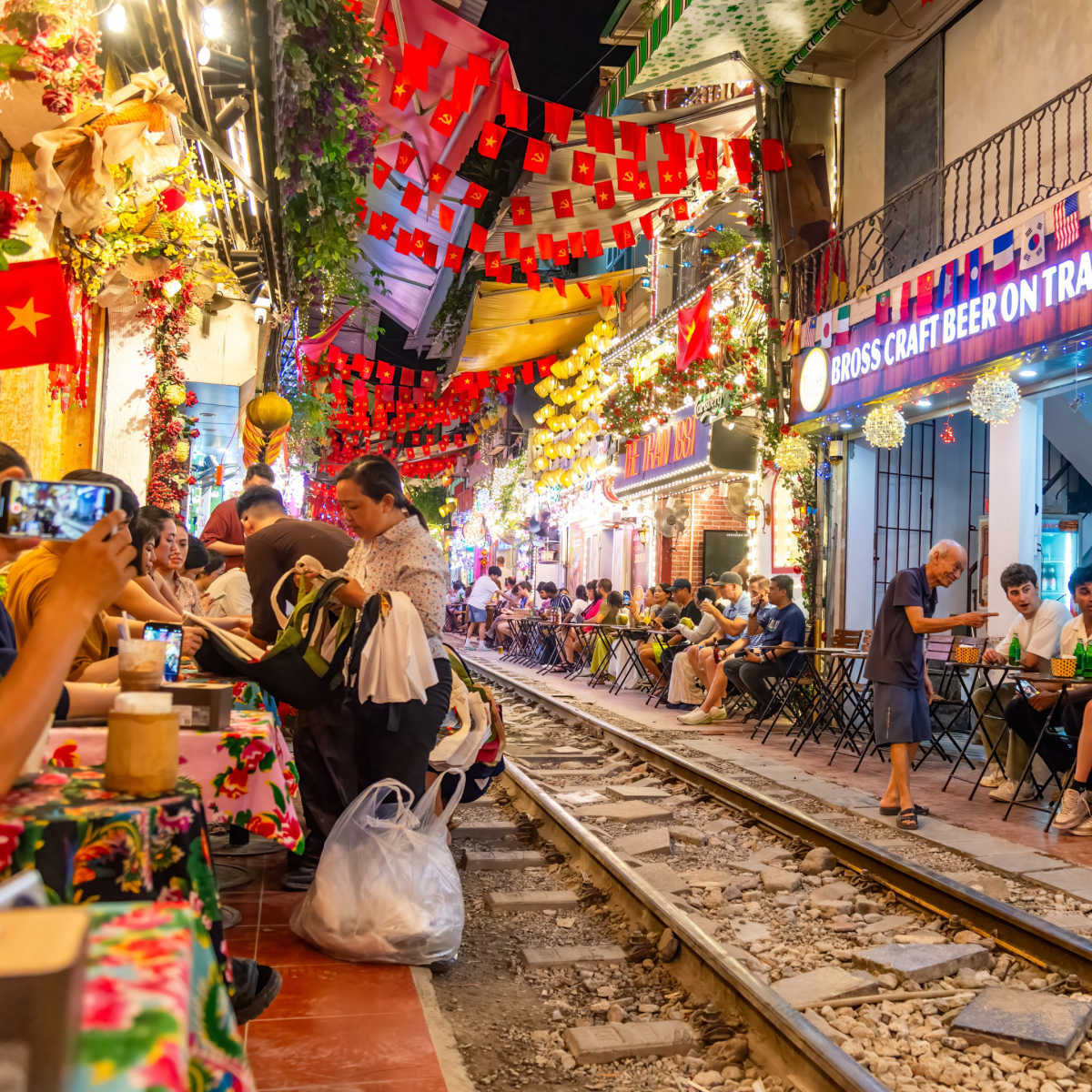

There are exceptions:
- Vietnamese citizens who of course travel with a Vietnamese passport
- Travelers in transit who do not complete the usual entry formalities
Wondering how safe Vietnam is to visit right now? Many travelers mistakenly believe that Vietnam is dangerous because the Vietnam War, no matter how long it has been resolved, is still in the back of their minds.
This is far from reflective of the current situation on the ground. Here’s what travelers have been reporting lately:
Those covered by the measure must ensure that they submit their data in advance and that it is accurate, legitimate and complete. In other words, don’t mess up the form while you’re doomscrolling through TikTok.
Checking one wrong box in the wrong place could get you into unnecessary trouble at immigration, or at the very least: slow you down enormously if you just try to get through it and start your journey.
Before you fly, regardless of destination, make sure you use the Entry Requirement Checker to ensure you have visited all bases and have your documentation in order.


In the case of Vietnam this would be:
- A passport valid for 6+ months outside travel dates
- At least 1 blank passport page
- Proof of a outward or return ticket
- E-visa
- Digital arrival card
How to apply for Vietnam Digital Arrival Card
Part I
- Access to the official portal here
- Enter the passenger details
Full name, gender, date of birth, nationality
Passport details (number, expiry date)
Estimated arrival date (limited to arrivals within the next 72 hours)
Phone number
Email address
- Sort of visa or document used to enter Vietnam (e-visa, ABTC card, travel card, permanent residence card, temporary residence card, visa)
- Visa or document number
- Date of issue of the visa, expiry date and place of issue


Part II
The second part is about personal travel plans.
- Country of departure before arrival in Vietnam
- Purpose of the trip (tourism, business, study, work)
- Transport mode: air, land or sea
- Flight number (air arrival), vehicle identification number (land or sea)
- Point of entry
- Type of accommodation in Vietnam (hotel, private home)
Part II
Be sure to double-check all information provided and confirm your email address before proceeding to the next step. Applicants will receive a six-digit OTP code via this email to confirm their declaration.
Part IV
- Download the QR code sent to your email (you must present it at the border together with the e-visa)


