


Chuck Norristhe quintessential action legend whose roundhouse kicks became a cultural shorthand for toughness has died at the age of 86. The family confirmed his peaceful passing on March 19, 2026 in Hawaii, following a brief medical emergency. He was surrounded by loved ones.
Adored by fans from the silver screen to social media, Norris redefined what an action hero could be: a blend of physical skills, moral clarity and instant charisma. From karate competitions to decades of blockbuster films and a television career that solidified his cultural footprint, he inspired generations with perseverance, discipline and a defiant spirit that rippled through pop culture and beyond.
A life forged in strength and spirit
Born Carlos Ray “Kuck” Norris in Ryan, Oklahoma on March 10, 1940, Norris grew up in modest circumstances. However, his life took a decisive turn when he enrolled in the United States Air Force. While stationed in South Korea in the late 1950s, he discovered martial arts; an encounter that ultimately shaped his life trajectory.
From then on, Norris pursued excellence with a relentless focus. He deserved black belts in multiple disciplines, including Tang Soo Do, Brazilian Jiu-Jitsu, Taekwondo and judo. Additionally, he rose to become a six-time undefeated World Professional Middleweight Karate Champion, earning accolades such as Black Belt Magazine’s ‘Fighter of the Year’.
Importantly, his influence extended beyond the competition. Norris founded his own martial arts system, Chun Kuk Doas well as the United Fighting Arts Federation. Through these efforts, he has trained thousands of students and promoted values of respect, discipline and perseverance worldwide.
From Bruce Lee’s opponent to Action Dynasty
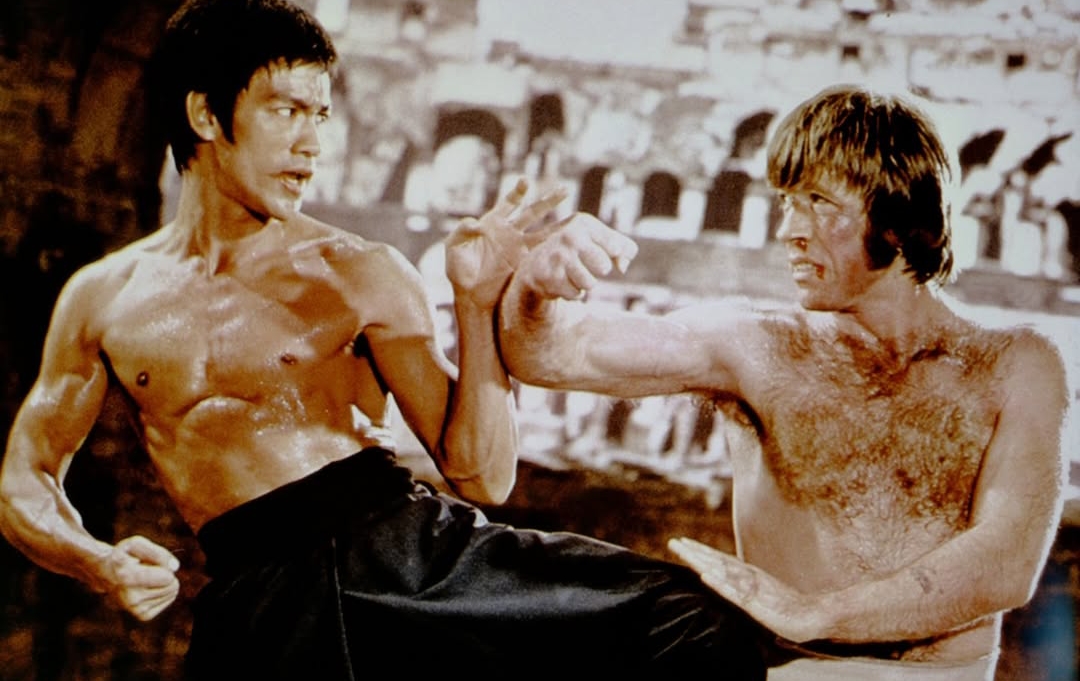
Norris’ transition to film began with a defining moment opposite Bruce Lee in “The Way of the Dragon” (1972), where he played a stoic martial artist determined to test his mettle. That iconic moment introduced him to a global audience and laid the foundation for a prolific acting career.
Shortly thereafter, he emerged as a leading figure in American martial arts cinema. Movies like “Good boys wear black” (1978), “A force of one” (1979), and “The Octagon” (1980) showed his signature blend of combat realism and stoic screen presence.
Norris’ action cinema peaked in the 1980s with a string of hits like ‘Missing in action,” “The Delta Force,” And “Lone Wolf McQuade“, films characterized by hard-hitting combat, moral clarity and raw courage. Audiences were drawn to his disciplined, unyielding style, and the box office responded, cementing his status as one of the most bankable action heroes of the era.
Walker, Texas Ranger: A Cultural Touchstone
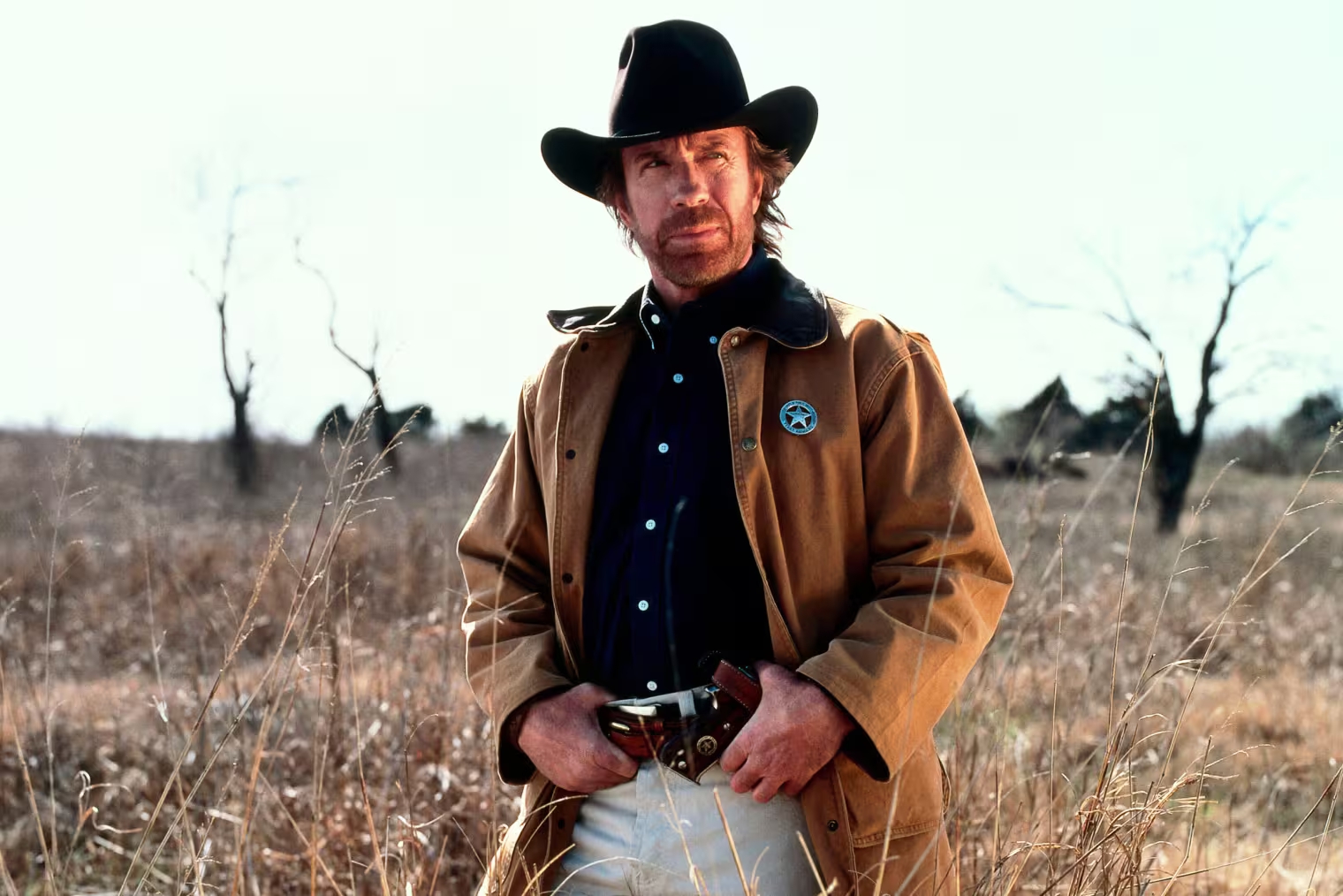
Although his film career was important, he was was “Walker, Texas Ranger” making Norris a household name. The series, which aired from 1993 to 2001, placed Norris at the center of a crime-fighting story that blended martial arts spectacle with a distinctly American, justice-driven ethos.
Played with raw sincerity and an unwavering moral center, Cordell Walker became more than a TV character; he was an archetype: a symbol of discipline, honesty and rugged individualism. The show’s mix of action and heartfelt heart made it a ratings staple and an enduring favorite in syndication, where new audiences continued to discover the legend decades after the finale.
Norris also ventured into voice acting, cartooning and stunt coordination, expanding his entertainment offering and demonstrating his willingness to captivate audiences of all ages and tastes.
Internet legend meets real hero
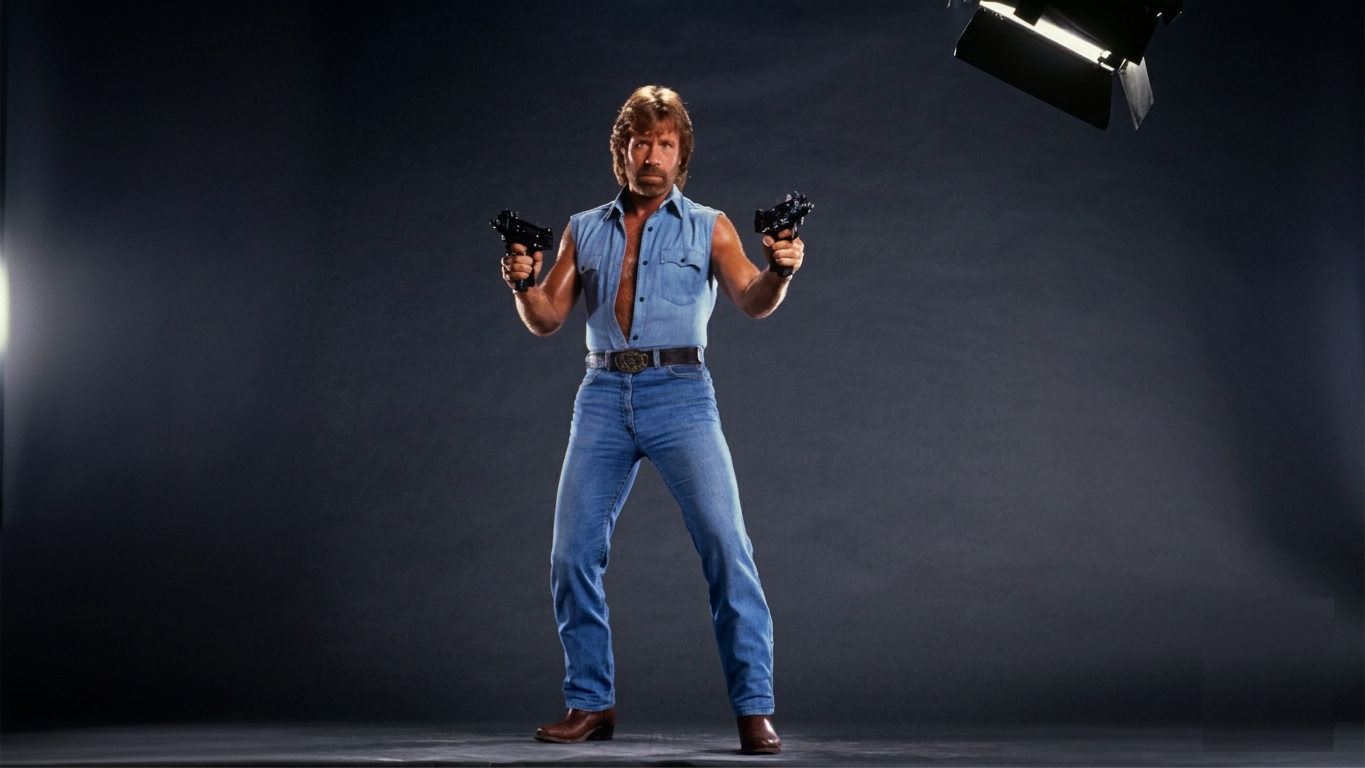
In the 2000s, Norris gained a different kind of fame thanks to the viral phenomenon “Chuck Norris Facts”– a collection of hyperbolic jokes that cast him as virtually indestructible: “Chuck Norris doesn’t flush the toilet; it scares the hell out of him.” Although humorous, these memes sparked a collective admiration for his character’s mythical toughness.
Norris embraced the humor with characteristic good character, and in his final months even made riffs that at the age of 86 “I’m not getting older. I’m leveling up.” It was a fitting encapsulation of a man who transcended real-world discipline and pop culture with equal grace.
Beyond the Screen: Faith, Family and Belief
Off camera, Chuck Norris’ life was anchored in family, faith and self-determination. He was married twice and was the father of five children. His personal life was characterized by dedication and founded on strong Christian beliefs. Friends and colleagues often noted that his seriousness on screen was offset by a warm, generous spirit in private. He was a mentor, teacher and friend whose discipline extended from combat to community and character building.
A staunch conservative, Norris was also politically engaged, supporting several candidates over the years and writing opinion columns on issues important to him. His public stances provoked debate, but they also showed that his influence extended far beyond film to social discourse.
Tributes from around the world
News of Norris’ death prompted an outpouring of tributes from colleagues and fans alike. Governor of Texas Greg Abbott honored him as a cultural treasure, as actors from Jean-Claude Van Damme to Eddie Hall shared reflections that underscored his impact not only on martial arts and film, but on the human spirit itself.
Social media and forums lit up with memories of favorite fights, lines and moments that spoke to the essence of Norris’ appeal: determined strength tempered with discipline, and a relentless pursuit of excellence that felt ambitious to so many.
An undeniable legacy
Ultimately, Chuck Norris lived an extraordinary life. From humble beginnings to global fame, his journey has been defined by purpose and perseverance. He helped popularize martial arts in Western media, reshaped action storytelling and became a symbol of toughness for generations.
Even now, his legacy continues to evolve. Whether he is remembered for his cinematic battles, his philosophical teachings or his mythical internet persona, Norris leaves behind more than just entertainment. He leaves behind a blueprint for discipline and determination.
Ultimately, Chuck Norris didn’t just play heroes. He became one.
Featured image: Getty Images Archive
—Read also