


Share the article
With all those viral videos on TikTok that show a side of Europe you never thought possible before, one with pickpockets running amok on the streets of London, and trash and graffiti everywhere in the once shiny, glamorous Paris, you may wonder if there is still a safe haven to the Old Continent we all knew and loved.

Not to get political, and certainly not to point the finger at any group, there’s no denying that Olde’s Europe, that familiar society where the doors were left unlocked, and you could forget your phone on a tabletop and have someone chase you down the street to return it, no longer exists.
Don’t even get us started on actual violent crimes, and a very full-fledged conflict in the eastern flank that has been going on for more than four years now.
If you’re planning to cross the pond this year and don’t feel like dealing with wallet stealing and the classic tourist scams, here are the 5 European countries which, well, still feels like Europe.
Where you can really relax without looking over your shoulder, or reaching for your wallet every 2 minutes to check if it’s there:
Malta
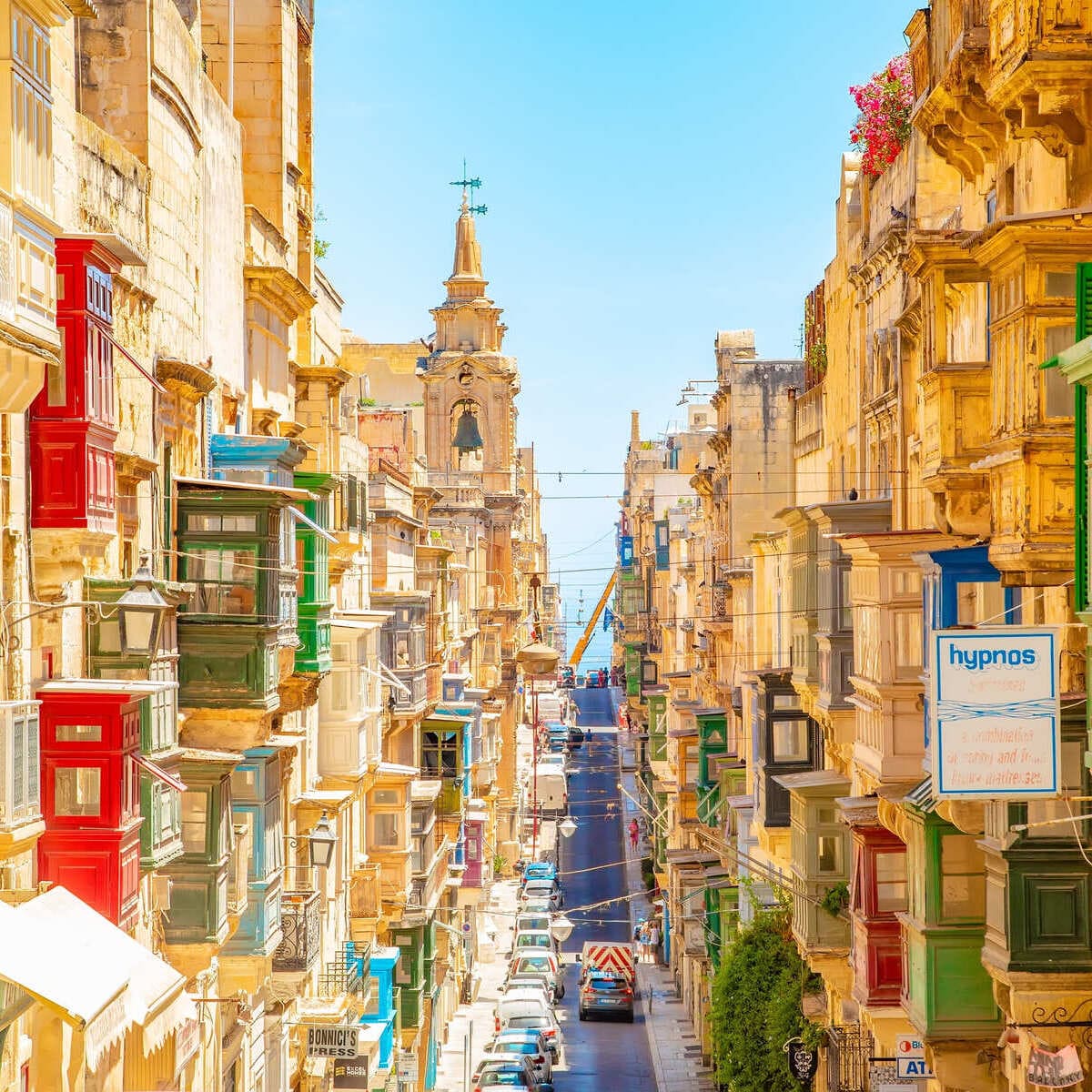
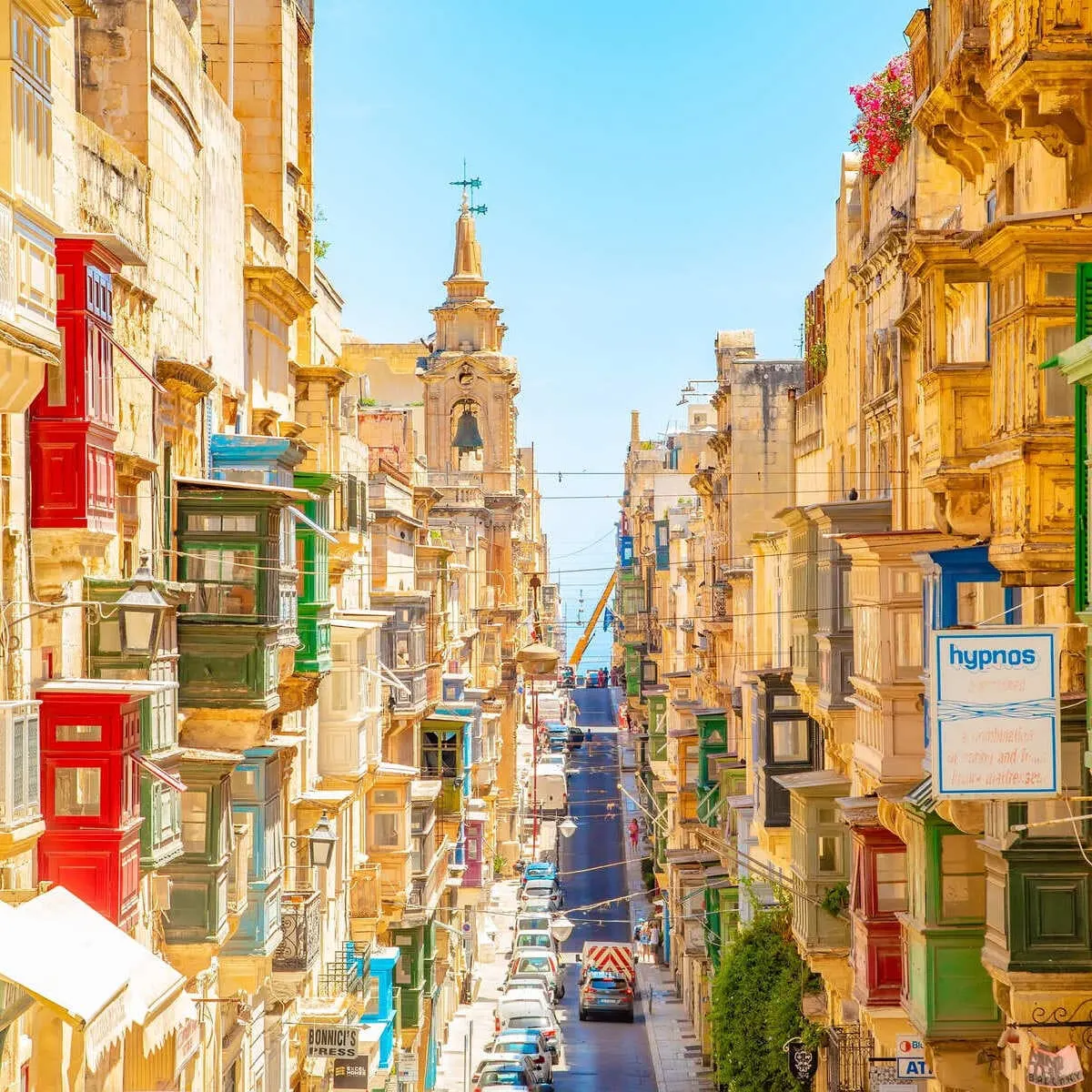
Malta is a small island country that most Americans are completely unaware of. It lies between Sicily – the largest Italian island – and North Africa, and in a sense it is at the crossroads of both worlds.
The beautiful ocher-colored cities, surrounded by ancient walls and peppered with romance piazze and Baroque churches are clearly Italian coded, while the Maltese language itself is deeply rooted in Arabic, the result of centuries under Islamic control.
On the other hand, you might be surprised to find a number of red telephone booths scattered around the island, as well as people driving on the left. They owe this to the later British colonization.


Either way, Malta is nothing short of fascinating, and don’t even get us started on the golden sandy beaches and turquoise bays, but the best The point is that it is incredibly safe.
According to the U.S. Department of State, it is officially a Level 1 destination, which in non-technical terms means Americans can take normal precautions during their visit. Violent crimes, harassment and – are uncommon, and most tourists have reported their feelings in our Traveler Safety Index.
In short, if you’re flying Delta’s new direct flight from New York to Malta this summer, that blazing Mediterranean sun really is your worst enemy.
Latvia


We’ve been saying it for years, but when it comes to safety: Eastern Europe is really where it’s atand when it comes to super safe destinations, limited petty crime and few violent incidents, there is no better Latvia.
And the funny thing is, the average person probably wouldn’t even think that, considering they probably grew up hearing horror stories from behind the Iron Curtain – and the Russian-Ukrainian war certainly didn’t help to refute the accusations.
For starters, Latvia, this small country on the Baltic Sea, is a member of both NATO and the European Union, so you can count on your safety despite the pro-Russian, anti-American fear.

Secondly, in recent years, Latvia has taken the opposite path when it comes to asserting its national sovereignty, unlike the average European nation. What we mean by this is that if you try to cross Latvian borders illegally, you may be in for a big surprise.
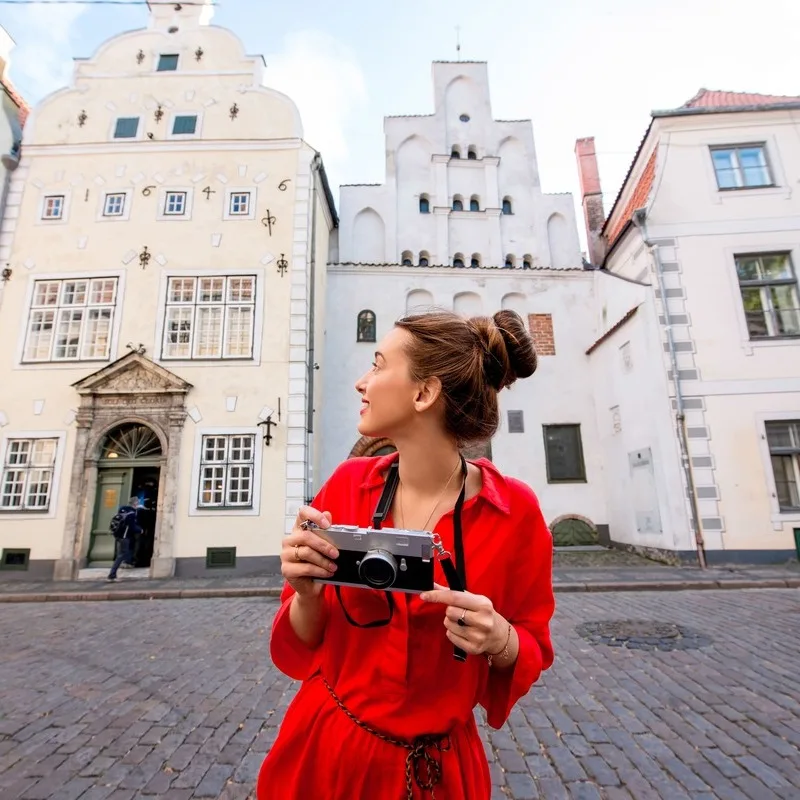
Riga, the beautiful Latvian capital and Europe’s Art Nouveau capital, also has the usual cobbled streets, well-preserved medieval buildings and a relaxed atmosphere: day or night, there’s no problem worrying about being chased home or jumped by a knife-wielding thug.
This isn’t London. The State Department agrees, the public agrees (check out the safety index below) and the statistics bear it out.
Iceland


Europe’s example for quality of life and a high-trust community, Iceland is another Level 1 destination where the biggest threat to you is a thundering volcano erupting and the ash spewing leading to ground flights.
These can never be completely ruled out, but let’s just say that terrorist attacks and phone robbers aren’t exactly on the minds of most Icelanders these days.
They let their toddlers take a nap in the grocery store parking lot while they go shopping, for God’s sake! Forget the strange Icelandic parenting traditions:


Leave your wallet on a park bench, and chances are it will still be there, untouched, or at least in the nearest Lost and Found.
Reykjavík is the capital and largest city, but unlike the average European metropolitan hub, it feels more like a quaint townwith its colorful wooden mansions, back streets and lonely modernist church that resembles Iceland’s own lava basalt columns.
As seen on the Travel Off Path Traveler Dashboard, there are currently no active warnings for Iceland as a country, and the vast majority of travelers have reported feeling safe during their visit.
Poland


While most of the European Union is grappling with a worrying wave of urban violence and religious extremism, Poland appears to be an outlier, still holding the fort.
No terrorist attacks in more than 40 years, fewer criminal incidents reported nationwide than just in the Paris metropolitan region, and social cohesion at an unprecedented high level: Poles don’t play when it comes to law and order.
The result? Cities that feel safe at night, neighborhoods where children play unsupervised and overalls a sense of security unparalleled on the continent.


Fancy a carefree city trip that will keep you sharp (in a good way) for days? Warsaw is where you need to go: busy thoroughfares, epic modernist skyscrapers and a reconstructed historic core dotted with graceful buildings.
Is medieval grandeur and ancient culture your thing? Krakow is the old royal capital and is home to one of the largest medieval squares in Europe.
Or perhaps you have a preference for the lesser-known places by the sea? Gdansk has beautiful facades in the Old Town and a fascinating history of World War II, and none of Europe’s imported thugs and troublemakers.
Greece


Unlike its Greek-speaking sister country Cyprus, which was recently hit by Iranian drones largely due to its proximity to the Middle East, the Greek interior remains completely safe for travel.
As the US Department of State reports: Greece remains at level 1 despite the deteriorating security situation across Europe, especially in the Eastern Mediterranean.
In short, your main concern should be petty crime in popular tourist locations.
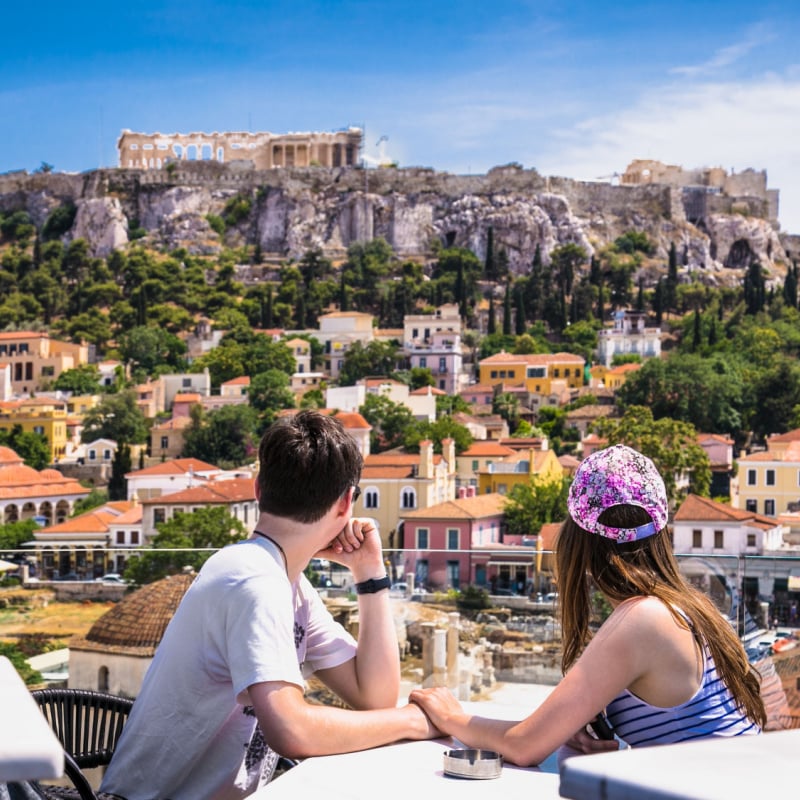

We’re talking about the Parthenon, known for its numerous scammers and pickpockets on site, and the overcrowded islands of Santorini and Mykonos, where leaving an item unattended for more than a few seconds is basically asking for trouble.
In the past, tourists have also been affected by large-scale demonstrations and civil unrest, although the situation in the Hellenic Republic has been quite stable recently.
Unless another major corruption scandal leads to another collapse of the government and millions of people taking to the streets of Athens, you don’t have to worry about anything.
Take our quiz now to find out which one is perfect for you!


