


Over the past eighteen months, Dior, Chanel, Gucci, Balenciaga, Celine, Maison Margiela, Fendi and Bottega Veneta were among the European houses to make a designer change, marking one of the most important generational resets in luxury history. The sheer size of it was almost disorienting. Within months, entire houses were transferred to new managers. It’s proof that luxury in 2026 is truly different from the version that existed even three years ago, not just in what’s being made, but in what it means to buy it, wear it, and want it in the first place. The codes have changed. The creative directors have changed. Above all, the consumer has changed.
Matthieu Blazy arrived at Chanel, Jonathan Anderson took over the reins at Dior, Louise Trotter moved to Bottega Veneta, and Demna stepped into Gucci. Each appointment has a specific philosophy. Blazy brings the kind of rigorous, material-obsessed intelligence he built at Bottega Veneta. Anderson brings conceptual courage and a proven ability to make heritage feel urgent. Demna brings the subversive, culturally attuned sensibility that made Balenciaga one of the most talked about houses of the 2020s. Executive search experts believe the revolving door has now effectively stopped.
These appointments will be given time to fully realize their visions, limiting the turmoil that has defined 2025. That stability is important. Consistency is what allows a fashion house to build something rather than simply announce it. To understand why luxury now looks the way it does, you need to understand what it tried to be before, and why that version stopped working.
Quiet luxury is over – sort of
For the better part of three years, quiet luxury dominated the conversation: pared-back palettes, no visible logos and an emphasis on fabric and cut-out statement. It was a reaction to the maximalism that preceded it, and for a while it felt like the only serious way to dress. In 2026, that mood will loosen. The whispered aesthetic that has endured through so many seasons gives way to something with more presence, more color and more willingness to be seen.
This does not mean that quiet luxury has disappeared. It means it has been absorbed. The principles it reintroduced (the value of craftsmanship, the importance of fit and the idea that quality should justify price) have become basic expectations rather than differentiators. Luxury consumers in 2026 are adopting those things. What they’re looking for now is something that quiet luxury, by definition, cannot provide: a point of view.
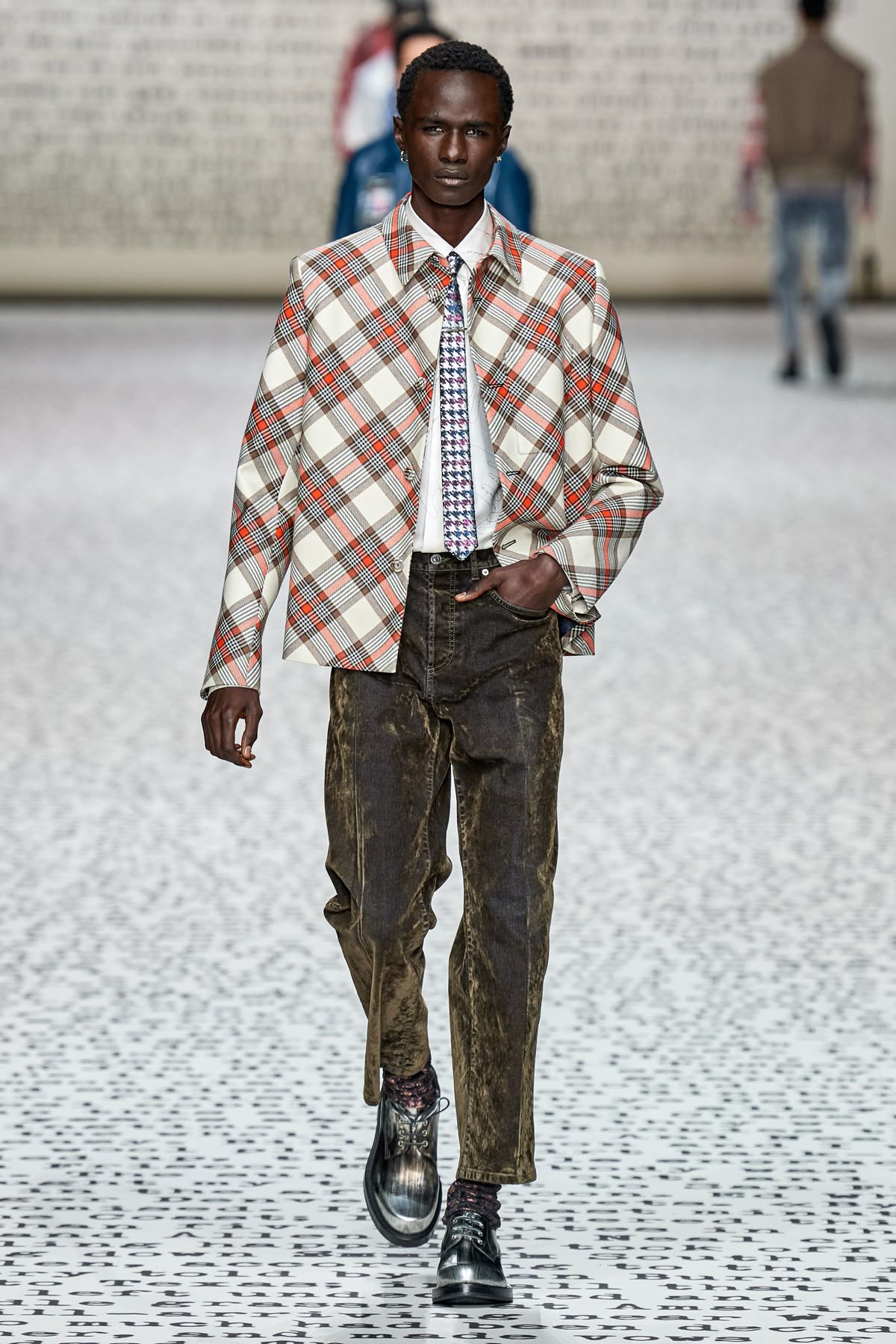
Wealthy individuals have reached a stage where desire is no longer about accumulation. It’s about feeling something. That shift poses a different, and arguably more difficult, challenge for brands than a simple trend cycle. Making someone feel something requires conviction. It requires risk. The houses that are doing well in 2026 are the houses that have stopped using fences.
The consumer has changed the equation
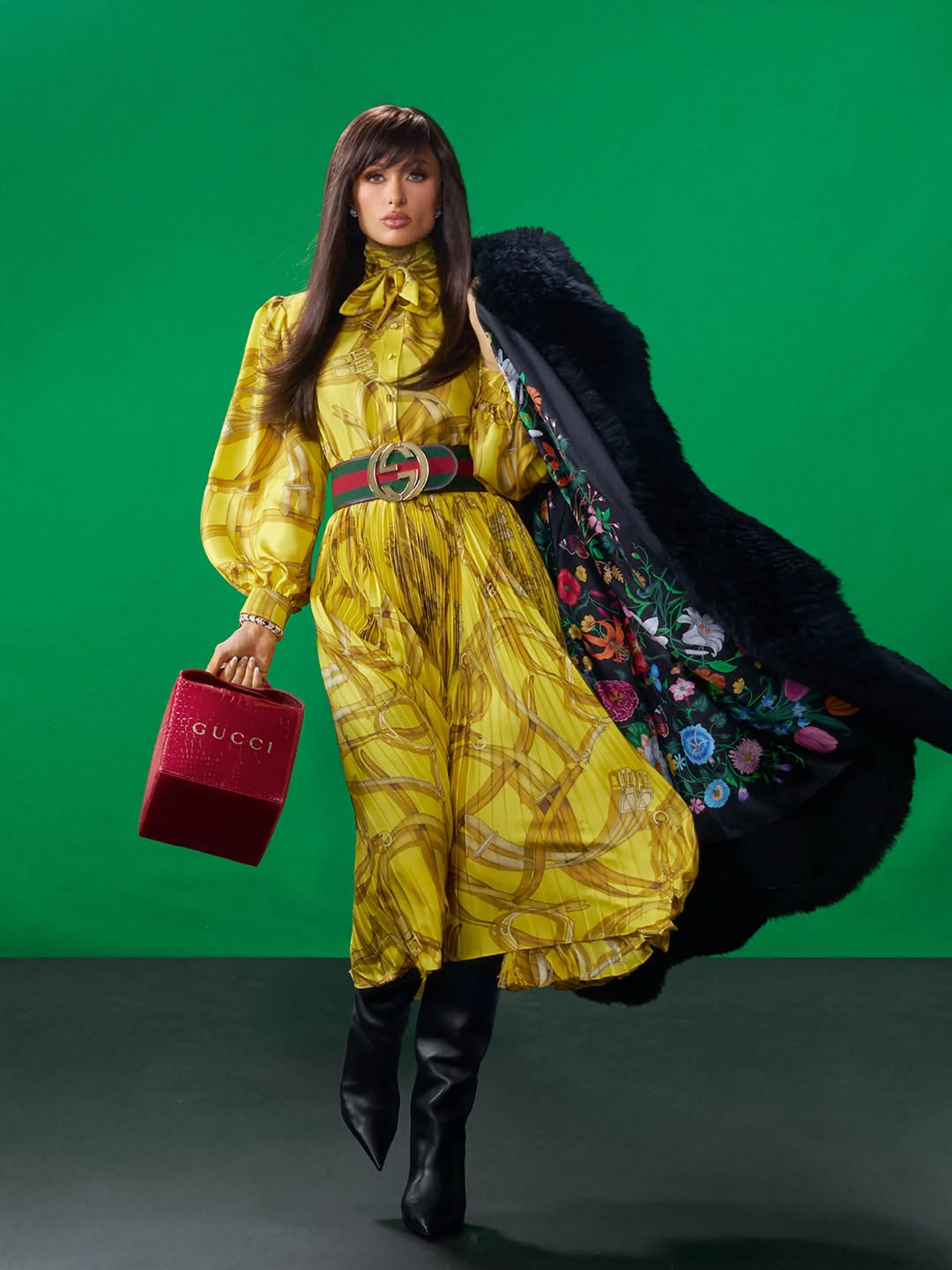
Post-pandemic price increases ultimately alienated aspirational consumers in Britain, the US and beyond. Inflation is easing, and major luxury houses can no longer count on double-digit price increases. The space created by aggressive pricing is being filled by brands that offer real value: not cheaper luxury, but fairer luxury. Ralph Lauren and Burberry are among the names that are winning back ambitious customers by more carefully balancing quality and price.
Luxury is entering what analysts call a normalization phase rather than a downturn. Growth expectations for 2026 are, depending on the analyst, between three and six percent. That’s modest compared to the post-pandemic peak. What it reflects is a market where brands can no longer rely on pent-up demand or novelty to drive sales. They have to earn the purchase.
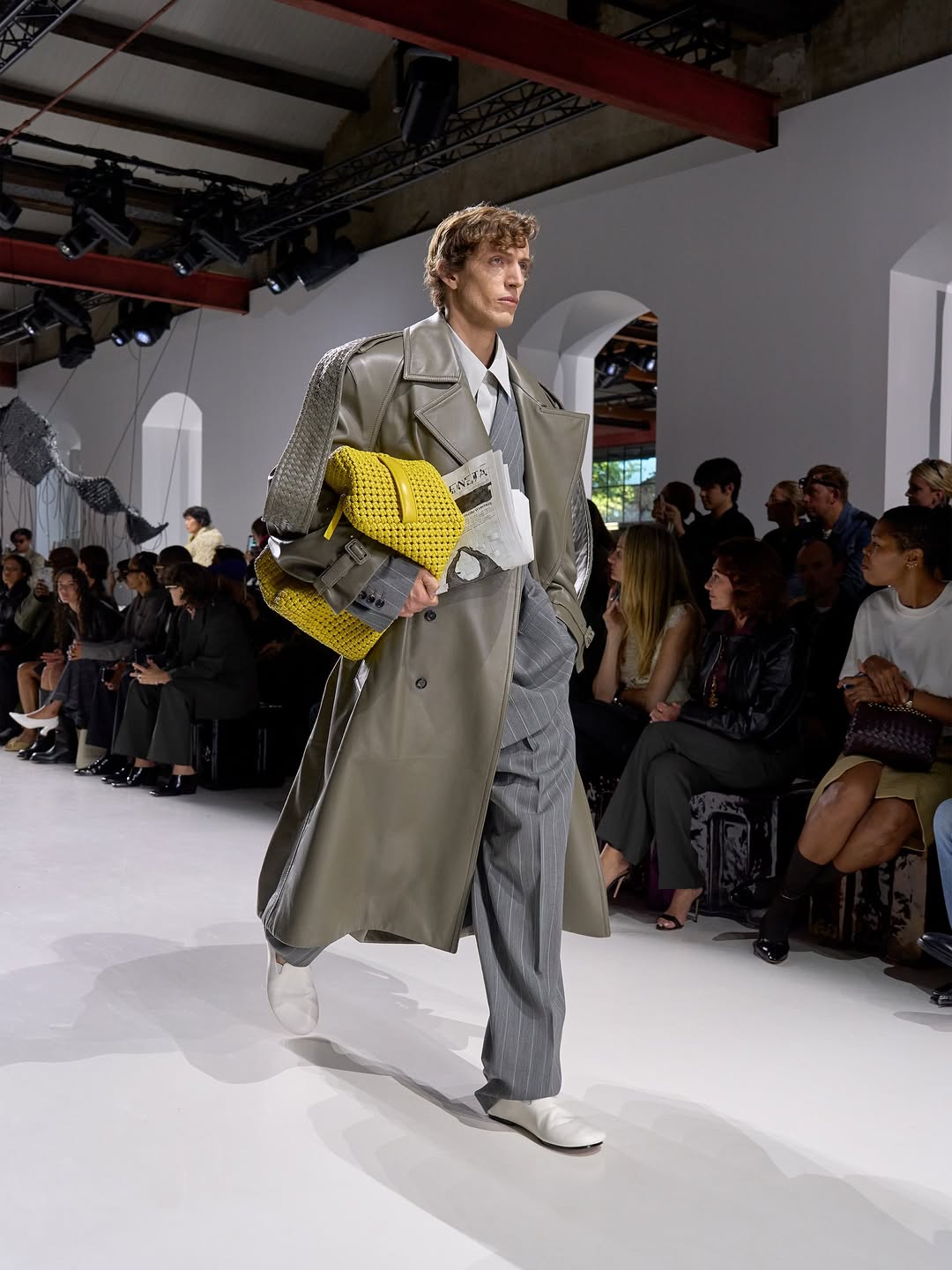
Fostering customer loyalty has become a defining priority, with more than half of industry executives citing retention strategies as a key theme shaping the industry this year. The customer who buys once and moves on is less valuable than the customer who returns. Building that relationship requires more than just a desirable product. It requires one brand identity strong enough to maintain a true connection over time.
Resale, wellness and the ever-expanding definition of luxury
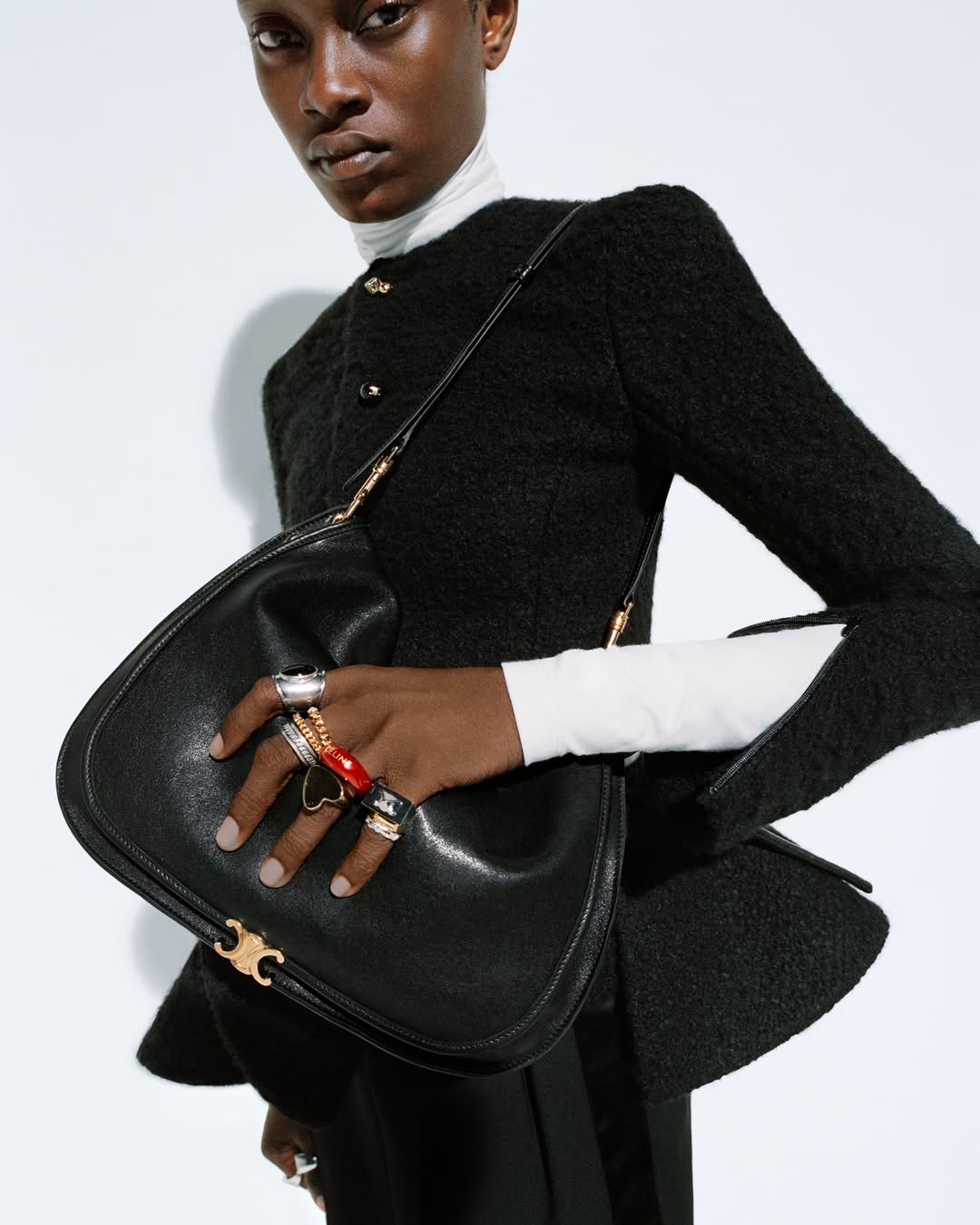
Two categories reshape what luxury means in practice. The first is resale. The pre-owned luxury market is expected to grow two to three times faster than the pre-owned luxury market through 2027, and the data shows that resale does not cannibalize new purchases; it essentially introduces aspirational consumers to brands that they then purchase directly. Resale is not a threat to luxury. It’s an access point, and the homes that understand that are starting to deal with it accordingly.
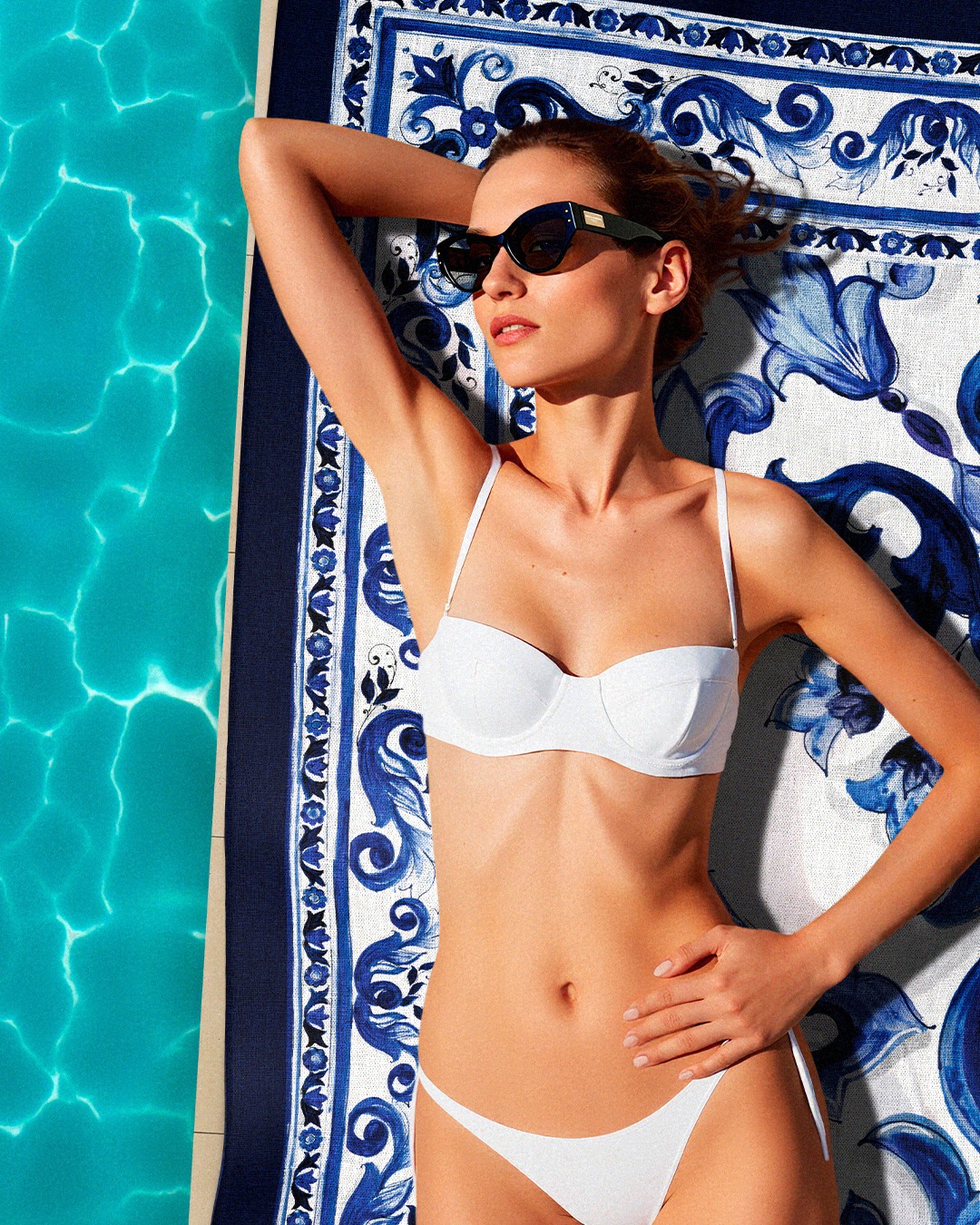
The second is well-being. Many luxury fashion players are diversifying into wellness and longevity, combining lifestyle categories to provide more integrated solutions to customers. This approach particularly resonates with Gen Z and Millennial consumers who want to feel and experience luxury rather than simply own it. L’Oréal’s acquisition of Kering Beauté for €4 billion earlier this year is the clearest financial expression of this convergence. Fashion and beauty have always existed side by side. Now they merge at the level of business strategy.
Experiential retail is part of the same shift. Boutiques are being reimagined as destinations. A purchase is no longer the point; the experience surrounding it. Brands are finding new ways to transform fashion experiences into something fit for the 21st century, realizing that a generation raised on digital immediacy needs physical retail to justify its existence in a way it never needed before.
What luxury is actually being sold?
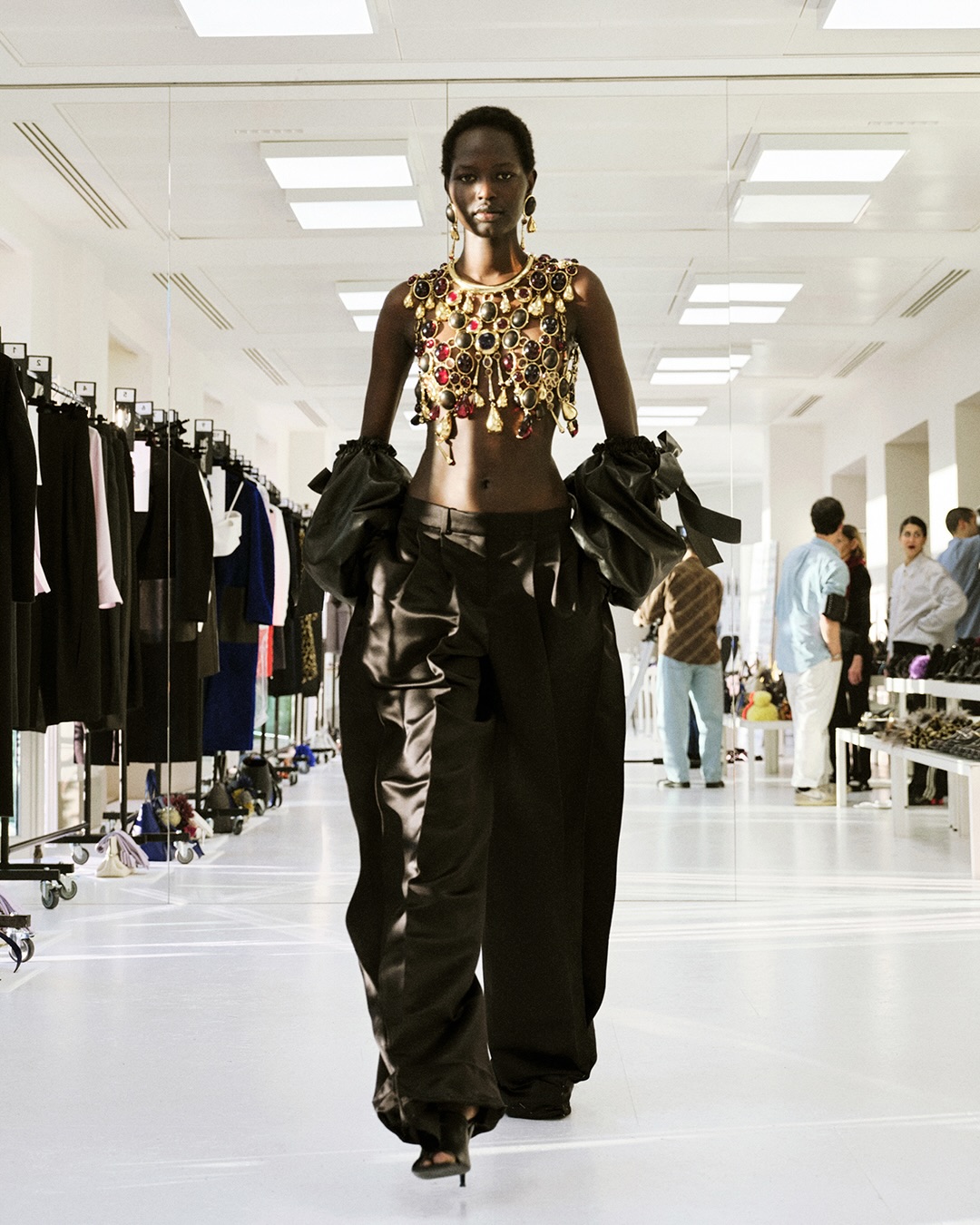
The most useful way to understand luxury fashion in 2026 is not through the lens of product or price. It is through the lens of meaning. What does this purchase say? What does it connect you to? Why is it more important than the object itself?
The normalization phase the industry is in is ultimately a renegotiation of what luxury fashion is worth, and for whom. The brands that come out strongest are the ones with the clearest answers to those questions: homes where a new creative director has brought real conviction, where the price reflects real quality, and where the customer feels something beyond the transaction.
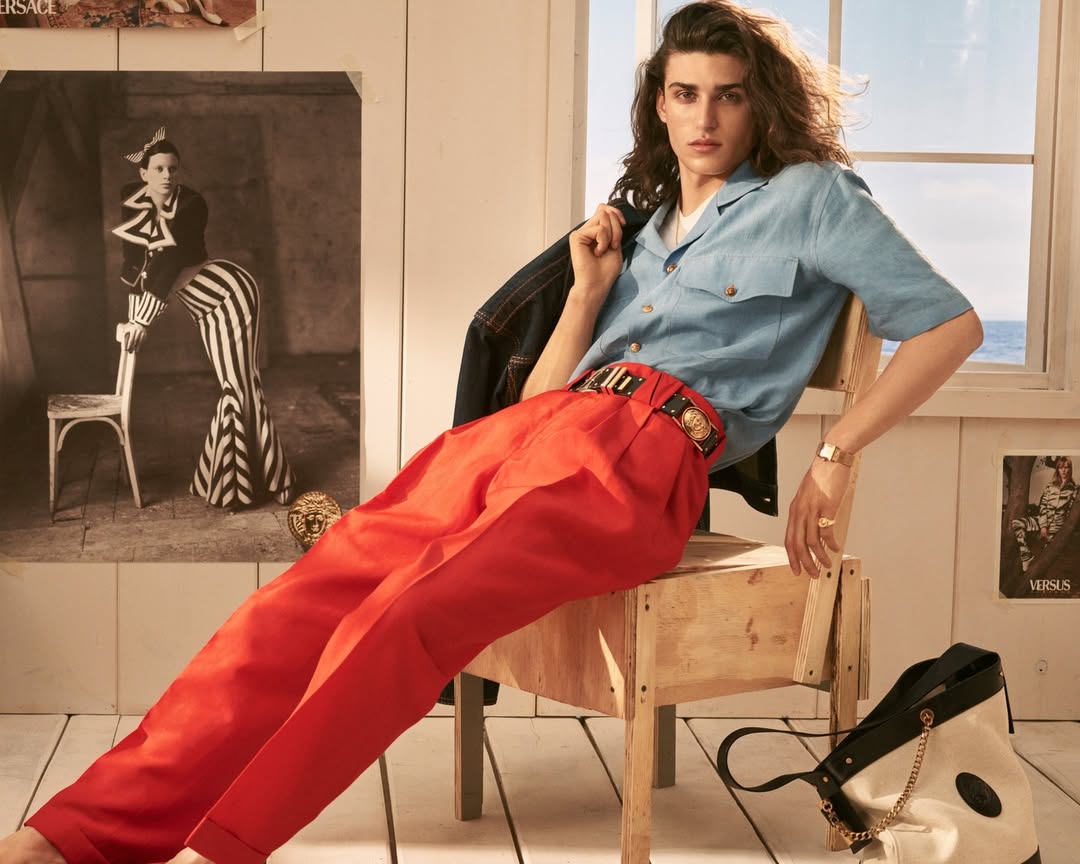
Luxury fashion in 2026 is no louder than it was. In some ways it is quieter. But it’s more considered, contentious, and interesting than it’s been in years. The reset was disruptive while it was happening. Now if you look at it from the other side, it was necessary.
Featured image: Schorr necklace for Givenchy
The new luxury is time: how smart people choose convenience over excess