


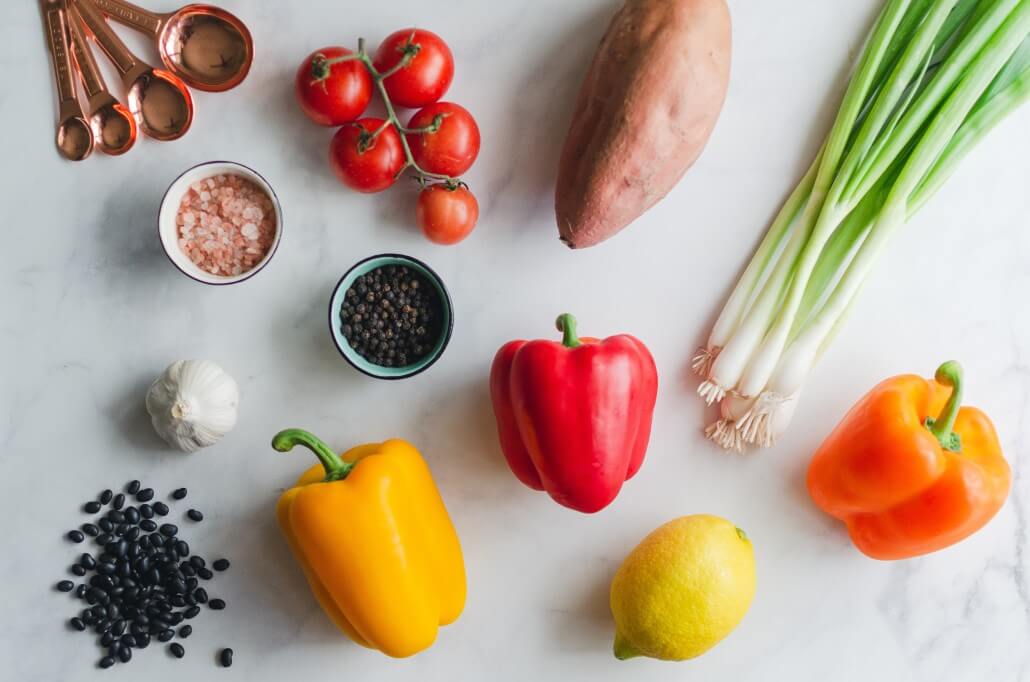
Experiencing feelings of stress, anxiety, or depression can adversely impact your mental well-being. While therapy and meditation are effective techniques for handling negative emotions, it’s also possible to harness the power of food and nutrition to enhance your mood.
Explore 13 mood-enhancing foods that you can easily add to your diet. These selections are designed to alleviate stress, elevate your energy levels, and promote your overall health.
[elementor-template id=”2705″]
1. Chamomile Tea
Chamomile is a bright herb cherished for its calming and soothing properties, used for centuries across various cultures. Historically, it was linked to sunlight and happiness, further indicating its uplifting effects.
This herb is rich in anti-inflammatory compounds that contribute to reducing anxiety and stress within the body. A notable 2009 clinical study revealed that German chamomile, Matricaria Recutita, significantly alleviated symptoms of Generalized Anxiety Disorder when compared to a placebo.
For a simple stress-reducing ritual, consider brewing a cup of chamomile tea in the evening while indulging in mindful reading. The calming effects of this herb can help you unwind.
2. Salmon
Rich in omega-3 fatty acids, salmon is a crucial food for optimizing bodily functions. Two key omega-3s, DHA (docosahexaenoic acid) and EPA (eicosapentaenoic acid), are abundant in salmon and have been shown to have positive effects on depression.
A typical three-ounce serving of salmon provides around 1,240 mg of DHA and 590 mg of EPA, making it an excellent source of these essential fatty acids. A 2011 randomized controlled trial indicated that DHA and EPA can decrease anxiety symptoms by up to 20%.
Aim to enjoy three to four ounces of salmon several times a week to help maintain clarity of mind, uplift your mood, and lessen daily stress.

3. Chia Seeds
Chia seeds, from the plant Salvia hispanica, are a unique food known for their beneficial stress-relieving properties. They are packed with omega-3s, antioxidants, protein, and fiber.
An ounce of chia seeds delivers about 5,060 mg of ALA (Alpha-linolenic acid), another essential omega-3 fatty acid linked to alleviating symptoms of anxiety and depression.
A 2020 review suggested that individuals consuming a diet high in fiber had a lower risk of experiencing depression and anxiety symptoms. With around 10 grams of fiber per ounce, chia seeds serve as an excellent daily fiber source.
To add chia seeds to your meals, consider mixing them into oatmeal or smoothies. Alternatively, make chia seed pudding that can be flavored to your liking. Check out the video below for some creative recipe ideas.

4. Turmeric
Turmeric, derived from the root of the Curcuma longa plant, is a spice widely utilized in Middle Eastern and Asian cuisines, known for its role in the popular beverage “golden milk”.
Curcumin, a primary component of turmeric, is recognized for its potential in aiding stress and anxiety reduction. Research indicates that curcumin increases DHA levels in the brain, enhancing mental functions and cognitive processes.
A 2015 randomized controlled trial found that just one gram of curcumin daily could lower anxiety scores.
You can incorporate curcumin into your diet either through turmeric supplements or by adding it to your meals. Most health experts recommend consuming no more than 2,000 mg of turmeric per day, roughly equivalent to one teaspoon.

5. Chocolate
It’s no secret that chocolate is often seen as a comfort food for stress relief. Many people jokingly refer to indulging in chocolate when feeling overwhelmed, and there’s substantial science behind this.
Dark chocolate, which consists of 70% or more pure cocoa, is rich in antioxidant compounds known as flavonoids. A 2017 article in Frontiers in Nutrition suggested that these flavanols enhance blood flow and exhibit neuroprotective effects.
Similar to omega-3s, these compounds can help you feel calmer and more focused when making daily decisions. To reap the benefits of chocolate for stress relief, choose the darkest chocolate available and limit yourself to a small piece, around 1 to 1.5 ounces, each day.

6. Green Tea
Green tea is a delightful and accessible option for reducing stress, boasting numerous benefits for brain health. Notably, it contains L-theanine, an amino acid linked to anxiety reduction, mood stabilization, and cognitive health.
A 2016 double-blind, randomized study showed that participants who ingested L-theanine experienced lower stress levels and reduced cortisol. Additionally, L-theanine in green tea may boost the production of dopamine, GABA, and serotonin, further enhancing its beneficial effects.
For a daily L-theanine boost, brew a cup of green tea each morning instead of your usual latte. However, it’s wise to avoid drinking green tea in the evenings due to its caffeine content, comparable to that of coffee.

7. Oats
Oats are a fantastic addition to your diet for enhancing digestive health and supporting the gut-brain connection. A cup of raw oats contains approximately 8 grams of fiber, which aids digestion and can enhance your mood.
Opt for raw whole oats or steel-cut oats, as they digest more slowly than instant varieties. This helps to stabilize energy levels and insulin production, which can lead to an improved mood with reduced feelings of stress and irritability.
Consider making healthy energy bites using raw oats, nut butter, seeds, and a sweetener. You can also enjoy sweet or savory oatmeal topped with nutritious ingredients like berries and nuts.

8. Berries
Incorporating berries into your daily diet can significantly help reduce stress. Most varieties are packed with antioxidants, vitamins, and minerals linked to lower rates of depression and anxiety.
A 2018 review indicated that the phenolic compounds present in berries can decrease oxidative stress, positively influencing mental health.
Another 2018 study discovered that individuals consuming high amounts of phenolic acid and anthocyanins—pigments found in blue and purple berries—exhibited a reduced risk of experiencing depression symptoms.
To enhance your berry intake, include a variety of options such as:
- Blueberries
- Strawberries
- Raspberries
- Blackberries
- Cranberries
- Goji berries
While not technically berries, cherries also contribute to stress relief. They contain melatonin, a hormone that helps regulate sleep. Getting sufficient sleep is vital for mental health, so consider adding cherries to your berry mix.

9. Hemp Hearts
Hemp hearts are the soft, edible part of the seeds from the Cannabis sativa plant. They have a mild, nutty flavor and can be sprinkled on salads, toast, or oatmeal.
These nutrient-rich hearts are an excellent source of omega-3 fatty acids, beneficial for brain function and cardiovascular health. Three tablespoons of hemp hearts provide about 2,600 mg of the stress-relieving omega-3 ALA and 9.48 grams of protein.
Hemp hearts are easy to incorporate into your diet. You can add them to nut-butter toast, mix them into savory or sweet oatmeal, or use them as a topping for salads or a bowl of fresh berries.

10. Eggs
Eggs are a powerhouse food that can help combat anxiety, stress, and feelings of overwhelm. They are loaded with essential amino acids that support the production of serotonin and dopamine, the brain’s feel-good neurotransmitters. A 2020 article highlighted that moderate egg consumption is associated with a lower risk of depressive symptoms.
Each egg contains a wealth of nutrients, including Vitamins A, B5, B12, B2, B6, D, E, K, folate, phosphorus, selenium, calcium, and zinc.
These nutrients work synergistically to enhance brain and body health, positively affecting overall wellness and mental clarity. Aim to consume one or two eggs daily for a nutrient boost.

11. Yogurt
Yogurt, along with other probiotic-rich foods such as sauerkraut, kombucha, kimchi, and kefir, is fantastic for alleviating mental stress and anxiety. Probiotics work to enhance gut health, which plays a vital role in mood regulation through the gut-brain axis.
A 2013 study found that individuals who consumed about 8 ounces of yogurt daily exhibited improved brain function and emotional regulation after a month.
To give your mind a stress-relieving boost, make yogurt a regular part of your diet. Choose varieties with live active cultures for maximum probiotic benefits.

12. Spinach
There’s a reason why Popeye became strong after eating spinach.
Spinach is a nutrient-dense leafy green that can be added to salads, blended into smoothies, or cooked in soups and side dishes. It’s rich in vitamins such as A, C, and K, along with minerals like folate, iron, potassium, and magnesium, all of which support your mental and physical health.
Research shows that spinach has stress-relieving properties; a 2018 study conducted on mice found that it possesses anti-stress and antidepressant effects. Additionally, an article from Harvard Health noted that magnesium found in spinach can create a calming effect on your mood.
Incorporate spinach into your meals by adding a handful of baby spinach leaves to salads or smoothies, or consider taking a greens supplement for your daily intake.

13. Coffee
If you enjoy coffee, you’ll be pleased to learn that this beloved beverage can help relieve stress and elevate your mood when consumed in moderation. A 2018 randomized controlled trial and a 2021 report found that black coffee enhances mental performance after consumption.
Coffee is a significant source of caffeine, with approximately 37 mg of caffeine in one teaspoon. A 2015 meta-analysis indicated that individuals consuming between 68 mg and 509 mg of coffee daily experienced an 8% reduction in depressive symptoms for each cup.
While coffee can enhance mood and alleviate stress, excessive consumption may lead to side effects such as jitteriness and irritability. It’s advisable to limit your intake to under 400 mg of caffeine, roughly equivalent to four cups of black coffee.

Incorporate Stress-Relieving Foods into Your Diet for Enhanced Mental Health
While numerous factors contribute to daily stress levels, including stress-relieving foods in your diet can provide noticeable benefits. Start by adding a selection of these foods to your meals and observe any positive changes you experience.
Continue experimenting with different foods until you discover the ones that help you maintain a sense of calm and well-being.