


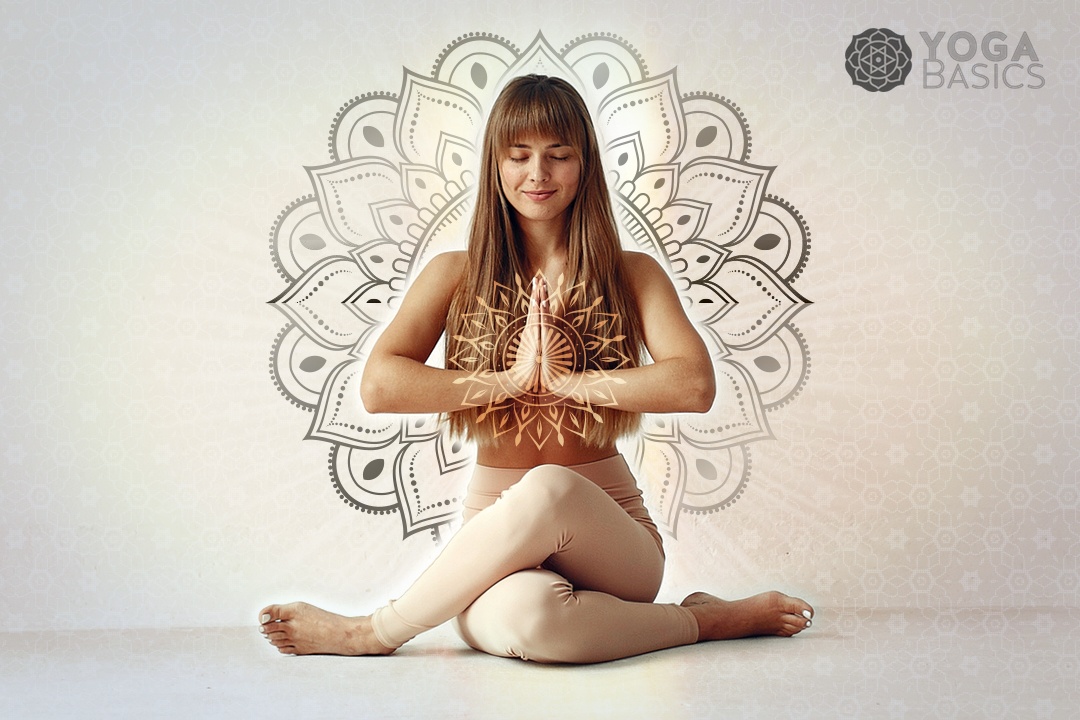
What do you experience during meditation? Your response might very well be “nothing!”—and that’s completely acceptable. While meditation often involves a retreat from sensory inputs, numerous techniques leverage mental imagery or internal senses as focal points for concentration. By engaging in visualization, we can harness our inner sight and imagination to deepen our meditation experience, fostering connections with both our subconscious and everyday life. If you’re eager to explore various meditation techniques and mindfulness practices, here are seven straightforward methods to help you begin!
Disclosure: This article may contain affiliate links. If you make a purchase via these links, we may earn a commission at no additional cost to you. Your support enables us to produce more insightful articles!
Understanding Visualization Meditation
Visualization is a meditation technique in which practitioners concentrate on a positive image, thought, emotion, or sensation. During this practice, individuals visualize a specific image or concept in their mind’s eye and maintain their focus on it throughout the session. Many find visualization meditation to be more engaging than traditional meditation because it actively involves the imagination to create vivid images and scenes.
While some individuals find that visualization meditation is effective on its own, others combine it with additional methods, such as pranayama or mantra meditation, to enhance focus, induce deep relaxation, and deter wandering thoughts.
Why is Visualization So Effective?
Visualization serves as a technique that allows us to perceive our inner world in a new light. By visualizing, we create mental images that aid in better understanding ourselves and others. Visualization can also be employed to alter our thoughts, feelings, emotions, and actions. For instance, if you feel anxious, you might picture yourself in a secure environment, surrounded by loved ones. Conversely, if you’re feeling down, you could visualize being enveloped in a bright, cheerful pink hue.
This type of meditation grounds our thoughts and emotions by linking them to physical representations. It empowers us to recognize what we wish to transform or manifest in our lives while providing tools for personal transformation. Furthermore, visualization meditation fosters a connection to our inner wisdom, which is always accessible to guide us toward our fullest potential.
How Does the Practice of Visualization Meditation Work?
When we contemplate something, we form a mental representation of it. The images we conjure in our minds are shaped by our past experiences, memories, and anticipations. When we think of something unfamiliar, we often lack the details needed to create a vivid mental image. Our brains compensate by using imagination to construct a mental model of the unknown object.
Brain imaging research indicates that visualization is effective because our brains process the imagery similarly to real experiences. Visualizing an action prompts our brains to create neural pathways that prepare our bodies to act in alignment with what we’ve imagined. Therefore, whatever we train our minds to believe gradually shapes our reality, and the more frequently we practice, the more our real lives begin to reflect our visualizations.
Seven Types of Visualization Meditation Practices
There are seven primary techniques in visualization meditation, which can broadly be divided into two categories: those that involve visualizing external, tangible objects and those that focus on internal imagery from the mind’s eye. To discover a visualization method that resonates with you, consider experimenting with one or more of the following meditation styles.
1. Yantra or Mandala
A yantra is a geometric pattern diagram that acts as a visual mantra (in fact, many yantras are connected to specific mantras and deities). Frequently utilized in tantric traditions, focusing on a yantra can be a potent tool for concentrating awareness. However, even without specific meanings, any mandala can serve as a meditative focal point. By visualizing symmetrical and repetitive patterns, whether with open eyes or mentally, we create new neural pathways in the brain, promoting balance, clarity, and tranquility.
2. Guru or Deity
Numerous spiritual paths focus on visualizing a spiritual teacher or deity, invoking their qualities. In Hinduism and Buddhism, deities symbolize various virtues of the divine and ourselves. By visualizing these figures, we aim to embody their characteristics in our lives. Before beginning, select a deity that resonates with you and whose attributes you aspire to cultivate.
3. Personal Symbols
If the aforementioned objects do not connect with you, try visualizing a candle flame, an image of a flower, the sun or moon, your favorite place, or even the face of a cherished individual. Anything that evokes a sense of peace or comfort can help elevate your self-awareness and serve as a fitting symbol for visualization.
4. Chakra or Energy
A common internal visualization practice involves concentrating on light or energy within your body. This can be done by focusing on a specific chakra (such as the third eye or heart) or by sequentially visualizing all chakras as a spectrum of light and colors. If visualizing colors is difficult, you can imagine these energy centers as lights, flames, or symbolic lotus flowers, or as areas of spinning energy.
5. Guided Journey Creative Visualizations
Typically, scripted journey-style visualizations can be advantageous for individuals who struggle to maintain focus or seek insights into their daily lives. These meditations often include relaxation exercises followed by an imagined walk through nature, suggested encounters, and symbolic objects or challenges encountered along the way. They are designed to connect you with various aspects of your subconscious mind.
It can also be empowering to guide yourself through a journey of your choosing, particularly during challenging life moments, allowing you to visualize making choices and taking actions that benefit you. Various theories propose that our thoughts shape our realities, making the visualization of real-life scenarios a powerful exercise in overcoming obstacles and fostering desired behaviors.
6. Color Breathing
Start by deciding on a feeling or quality you wish to cultivate in your life. Assign a color that corresponds with this feeling. For example, if you desire happiness, you might select a calming blue or an energizing orange. If tranquility is your goal, consider green. Once ready, close your eyes and breathe deeply. Visualize the chosen color and imagine it enveloping you, from your face to your arms, chest, legs, and feet. Inhale the color and feel it nourishing your entire being. You can choose to exhale while maintaining focus on the color or use this moment to release any negative emotions.
7. Loving-Kindness Meditation
Loving-kindness is a Buddhist meditation practice that fosters compassion, empathy, forgiveness, and acceptance for both yourself and others. This visualization technique involves feeling and imagining sending love and kindness to important people in your life.
Begin by envisioning someone you deeply care about. As you sense their presence, repeat a comforting phrase such as “may you be happy, may you be safe, may you be healthy, peaceful, and strong.” Continue to repeat these words while immersing yourself in gratitude for their role in your life.
Advantages of Visualization Meditation
Visualization meditation is a form of meditation that enhances our understanding of our inner selves. It aids in cultivating compassion, empathy, love, and wisdom. This technique assists us in better comprehending ourselves and improving our relationships with others. It serves as a means to develop positive traits such as patience, kindness, forgiveness, and tolerance.
Different visualization exercises provide varied benefits. However, for those whose minds tend to wander, any visualization practice can offer a distinct focal point, with guidance that can be either broad or specific, depending on your preferences.
We can utilize visualization exercises to help calm our bodies and minds, connect with our personal energy, or engage with something larger than ourselves. Visualization also encourages the development of both creativity and concentration as we train our mental faculties to generate detailed images.
Athletes frequently employ a form of visualization meditation to enhance their health and performance. This technique effectively addresses stress, anxiety, depression, insomnia, and various other conditions. It has been shown to lower blood pressure, improve sleep quality, and enhance overall feelings of well-being.
Moreover, visualization is often integrated into achieving a state of yoga nidra or yogic sleep, through the recollection and release of images. By familiarizing ourselves with the space behind our forehead, called Chidakasha (meaning “the space of consciousness”), we become attuned to various aspects of our awareness.
Ultimately, the visualization process can extend beyond meditation into daily life. In essence, we can apply visualization to facilitate healing, surmount challenges, promote positive emotions, and envision leading our lives in ways that feel fulfilling.
Tips for Effective Visualization
While many individuals find it easy to visualize objects, ideas, or energies, for some (including myself), visualization may not come instinctively. If you belong to this latter group, there’s no need to fret! Visualization, like any meditation practice, can be cultivated through consistent practice while keeping a few helpful tips in mind:
- If you are using a specific focal object, familiarize yourself with this image beforehand. Keep the object visible in your surroundings, and take moments throughout the day to observe it closely.
- When working with a physical meditation object, it may be beneficial to begin your practice with open eyes. If the image fades quickly, glance at your object as needed.
- If visualization remains challenging, leverage your imagination and senses to continue practicing.
- Choose a comfortable position that allows you to remain both relaxed and alert in an environment that feels nurturing.
- Maintain slow, deep breaths throughout your practice.
- Whenever your mind drifts, gently redirect your attention back to your mental image.
- Start small and gradually increase your practice. If you are new to meditation, begin with just five minutes per session. Once you feel at ease, you can extend your practice to 15 minutes or more.
- Dedicate time each day to establish a consistent meditation routine.
Have you found visualization helpful in focusing your mind or revealing different aspects of yourself? We’d love to hear if you have a favorite visualization technique from the suggestions above. Please share your enlightening experiences with our community!