



Pastel Eyeshadow Tutorial: A Comprehensive Guide
- Discover how to create stunning pastel eyeshadow looks with soft lilac, mint, and baby blue shades.
- Learn the secrets to making pastel eyeshadow last all day by focusing on primer and undertones.
- Explore tips on choosing between cream and powder pastel formulas for different effects.
- Follow a step-by-step tutorial on applying and blending pastel eyeshadow for a flawless finish.
Disclosure: This post contains affiliate links. If you make a purchase through these links, we may earn a commission at no extra cost to you.
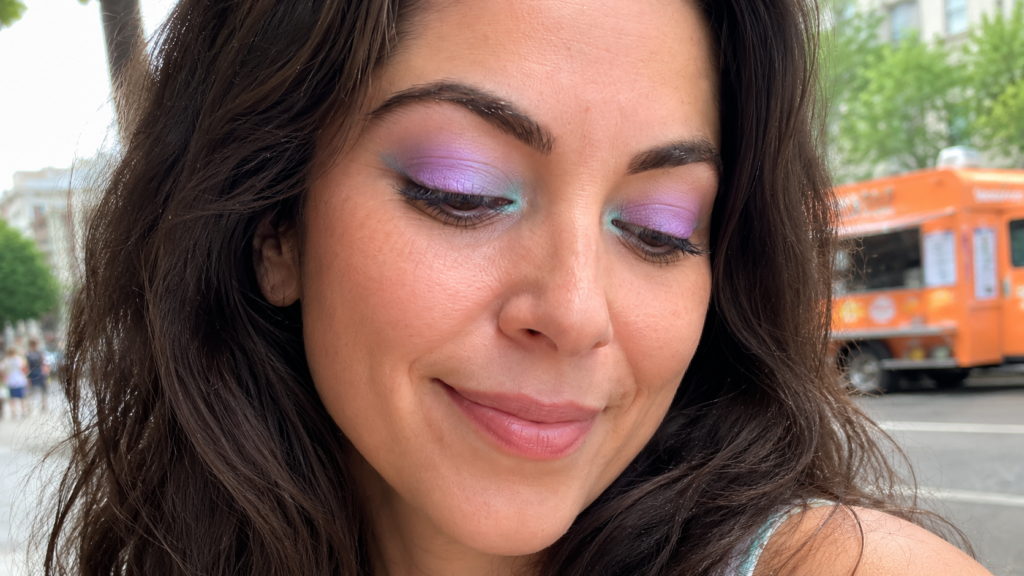
The current trend of soft lilac, mint, and baby blue pastel eyeshadow looks is irresistible. But why do these colors sometimes fade or look washed out? Let’s dive into the details and uncover the secrets to mastering pastel eyeshadow.
Understanding the Challenges of Pastel Eyeshadow
Many people struggle with pastel eyeshadow due to issues like color fading, creasing, and patchiness. However, these problems are often related to primer application and undertone matching, not the colors themselves.
Key Steps for Long-Lasting Pastel Eyeshadow
To ensure your pastel eyeshadow stays vibrant all day, follow these essential steps:
Step 1: Prepare Your Eyelids
Start with clean, dry lids to create a smooth canvas for your eyeshadow.
Step 2: Apply Eyeshadow Primer
Use a high-quality primer to prevent creasing and help the pastel colors pop.
Step 3: Choose the Right Pastel Shades
Select pastel shades that complement your undertone to avoid a washed-out look.
Step 4: Layer and Blend
Apply pastel eyeshadow in thin layers to build color gradually and prevent patchiness.
Step 5: Add Dimension
Enhance your look with a second pastel shade for added depth and dimension.
Step 6: Set with Precision
Gently set your eyeshadow with translucent powder to lock in the color without dulling it.
Cream vs. Powder Pastel Formulas
Cream pastels are beginner-friendly and blend easily, while powder formulas offer long-lasting wear. Choose based on your skill level and desired outcome.
Matching Pastel Shades to Your Skin Tone
Different skin tones require specific pastel shades to avoid looking chalky or washed out. Consider your undertone when selecting pastel eyeshadows for the most flattering results.
- Fair skin: Opt for cooler pastels like icy lilac and baby blue.
- Light skin: Experiment with both warm and cool pastels for a versatile look.
- Medium skin: Warm pastels like peach and coral can complement your complexion beautifully.
- Tan skin: Richer pastels like deep lilac or dusty rose work well on tan skin.
- Deep skin: Vibrant pastels like bright lilac or teal stand out on deep skin tones.
- Very deep skin: Choose highly pigmented pastel shades for a striking effect.
If a pastel shade doesn’t look right on you, it’s likely due to an undertone mismatch rather than the color itself.
Common Mistakes to Avoid
To achieve flawless pastel eyeshadow looks, steer clear of these common mistakes:
- Skip primer: Always use a primer to ensure long-lasting color.
- Apply heavy layers: Build up pastel eyeshadow gradually for a seamless finish.
- Ignore undertones: Match pastel shades to your undertone for a flattering look.
- Over-powder: Use a light touch when setting your eyeshadow to avoid a chalky appearance.
- Skip blending: Soften edges for a polished finish that looks intentional.
Top Products for Pastel Eyeshadow Looks
Enhance your pastel eyeshadow game with these recommended products:
e.l.f. Lock It Down Eyeshadow Primer – A budget-friendly primer that enhances color payoff and prevents creasing.
If you’re looking for a premium option, consider:
Urban Decay Eyeshadow Primer Potion, Original – An award-winning primer that offers up to 24-hour wear and prevents creasing in all conditions.
For pastel eyeshadow palettes, start with:
ColourPop On Cloud Blue Eyeshadow Palette – A versatile palette with icy blue tones for creating stunning pastel looks.
For a high-end option, try:
Huda Beauty Pastel Obsessions Palette, Lilac – A palette featuring mattes, shimmers, and metallics in beautiful pastel shades.
Complete Your Look
Pair your pastel eyeshadow with complementary makeup for a cohesive look. Ensure your entire eye makeup routine is designed to withstand the elements for a flawless finish.
FAQs: All Your Questions Answered
Why does my pastel eyeshadow look washed out?
Most likely, it’s due to an undertone mismatch. Try selecting pastel shades that complement your skin’s undertone for a more vibrant look.
Does pastel eyeshadow last in hot, humid conditions?
With the right prep, pastel eyeshadow can withstand heat and humidity. Use a good primer and opt for powder formulas for long-lasting wear.
Can I create a pastel eyeshadow look with just one color?
Absolutely! A single pastel shade, properly applied and blended, can create a stunning look on its own.
Is cream or powder pastel eyeshadow better for beginners?
Cream eyeshadows are more forgiving and easier to blend, making them ideal for beginners. Powder formulas offer longer wear but require more skill in application.
Why does my pastel eyeshadow crease during the day?
Creasing is often a result of improper primer application and layering. Ensure you use a dedicated eyeshadow primer and apply thin layers for a crease-free finish.
Can pastel eyeshadow work for oily eyelids?
Yes, pastel eyeshadow can work on oily eyelids with the right primer and application technique. Opt for a long-wear primer to combat oiliness and prevent color fading.
What’s the easiest pastel shade to start with for beginners?
A soft lilac or dusty rose is a versatile and universally flattering choice for beginners dipping into pastel eyeshadows.
Trend Chasing, Real Talk
Share your thoughts on the pastel eyeshadow trend. Leave your comments below!