


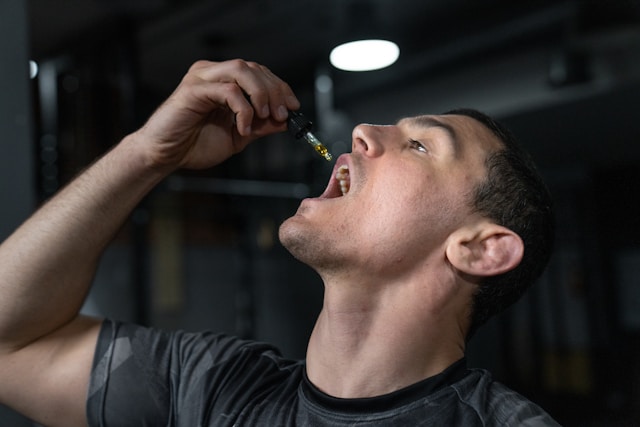
A recent 2024 study published in Frontiers in Pharmacology evaluated 202 CBD products and discovered that 74% deviated from their declared potency by at least 10%, with errors occurring in both directions. Additionally, 26% of the tested items did not meet the fundamental criteria of the product type as labeled on the packaging. These statistics highlight a marketplace where product labels are not a reliable indicator of the actual dosage delivered.
The analysis included a variety of products: 100 tinctures, 48 gummies, 34 vape items, and 20 topical applications. The potency discrepancies varied significantly across each product format, as did the profiles of contamination.
Contaminant and Potency Insights
The same study also tested for contaminants, revealing that 44 out of the 202 products contained heavy metals. Residual solvents were detected in 181 samples. Moreover, pesticide screening identified 26 different compounds across 30 products, suggesting that cultivation practices are responsible for these findings.
Hemp is particularly efficient at absorbing metals and other soil contaminants into its tissue, meaning that the purity of the final product is largely influenced by the cultivation inputs. Extraction methods introduce another point of potential contamination. Solvent-based extraction can leave residue if the purging process is rushed or if the equipment is inadequately maintained, resulting in higher concentrations of these substances in the distillate that eventually becomes tinctures or gummy formulations.
Testing finished products can reveal issues that raw material testing might overlook, as contaminants can be introduced at any stage between harvesting and bottling. Brands that only test incoming biomass may confirm the lowest-cost inputs while leaving the actual product unchecked.
This issue is not new. Previous testing of 84 over-the-counter CBD products indicated that only 31% were accurately labeled within a 10% variance of the advertised potency. A National Institutes of Health study found that failures were nearly evenly distributed, with 26% of products containing less CBD than stated and 43% containing more. For nearly a decade, the industry has struggled with these measurement inconsistencies, which is why regulators view a current certificate as the bare minimum evidence required, rather than a mere courtesy.
The product format significantly affects the size of potency errors. Tinctures rely on uniform suspension within the carrier oil, so a batch that separates during storage may yield different concentrations from the top of the bottle compared to the bottom. Gummies require an even distribution throughout the mixture before they set, allowing for individual pieces to vary significantly from the batch average, even if the overall batch tests correctly. Testing a composite sample of 10 gummies can obscure the exact variability that consumers will experience.
Potency discrepancies are critical because CBD is an active compound. A randomized trial funded by the FDA administered CBD to healthy adults twice daily for a duration of 28 days, noting elevated hepatic aminotransferase levels in part of the group. Reported adverse effects included increased hepatic enzymes in 11% of participants, eosinophilia in 9%, somnolence in 8%, and diarrhea in 8%. These elevations reverted back to normal once dosing ceased, and although no serious adverse effects were recorded, the findings were significant enough to merit publication.
Furthermore, CBD can inhibit several cytochrome P450 enzymes, which alters the rate at which the liver metabolizes many common prescription medications. An individual taking a blood thinner or an anticonvulsant, alongside a product containing 40% more CBD than stated on the label, may receive an unintended dose adjustment that the prescribing physician cannot detect.
Accurate labeling is essential for ensuring customer safety. Anyone adhering to the recommended serving size is relying on figures that can only be substantiated through laboratory testing.
Federal Regulation and Labeling Standards
Since 2019, the FDA has issued over 200 warning letters to companies in the cannabinoid sector. In April 2025, the agency’s Center for Veterinary Medicine sent notices to Bailey’s Wellness, Holista, and House of Alchemy regarding unapproved cannabis-derived products marketed for uses that the agency has not evaluated. The letters frequently address marketing language alongside manufacturing practices.
This connection is intentional. A therapeutic claim effectively transforms a supplement into an unapproved drug under the Food, Drug, and Cosmetic Act, and the manufacturing standards applied by the agency shift accordingly. Companies that refrain from making disease claims position themselves within a regulatory category that their quality systems can feasibly meet.
The Secondary Audience for Test Results
Certificates of analysis extend beyond the manufacturing facility. Underwriters assessing new accounts often request these certificates alongside licenses and product catalogs, while firms managing CBD payment volume regard these documents as indicators of operational discipline. Well-organized lab records enable reviewers to find necessary information without needing follow-up requests.
Retailers and insurers conduct similar verifications before assuming risk. Both parties seek assurance that the product contents align with the labels. They accept the documentation generated by an effective laboratory program.
Establishing a Testing Program for Regulatory Compliance
Each production lot must have its own certificate of analysis, linked to a lot number displayed on the packaging and issued by a laboratory accredited to ISO 17025. Composite testing across multiple lots can obscure the variations that testing aims to uncover.
The testing panel should encompass cannabinoid potency, residual solvents, heavy metals, pesticides, microbials, and mycotoxins. Retention samples from each lot facilitate re-testing if a complaint arises eight months post-sale. Publicly sharing certificates with a lot-number index allows customers to verify the contents of the product they possess.
The effectiveness of this program hinges on the quality of suppliers. Purchasing distillate from the open market means assuming responsibility for the cultivation practices that produced it. An independent test commissioned by the brand serves as stronger evidence than a certificate provided by the seller. Quality suppliers agree to regular audits and accept contractual specifications that include rejection rights.
Documented complaints linked to lot numbers enable a brand to access retention samples and trace issues back to their source within days. This promptness is crucial in determining how much inventory needs to be discarded and how many customers are impacted before the issue is resolved.
The Financial Impact of a Failed Batch
A contaminated or inaccurately labeled lot seldom remains confined. Product recalls initiate with the destruction of inventory and the laboratory analyses required to determine the extent of the problem’s spread. The greater costs emerge afterward, as the acquiring bank scrutinizes the account, the retailer suspends the product pending re-qualification, and the insurer adjusts the product liability policy pricing. All these stakeholders arrive at the same conclusion based on identical documentation, and none can reverse their decisions swiftly.
The FDA has consistently stated that it has never reviewed the manufacturing processes of unapproved CBD drug products, and the safety risks associated with consuming products containing unsafe levels of pesticides or heavy metals remain unknown. This statement is included in materials directed at consumers and also appears in risk assessments conducted by institutions deciding how long to retain a CBD merchant as a client.
Conducting full-panel testing on every production lot typically incurs a cost of a few hundred dollars per batch. The second cost, however, is what ultimately leads to the closure of companies.


