


A new wave of skin and hair treatments is reshaping beauty, and this time the revolution is happening beneath the surface. Conversations about GHK-Cu peptide injections have increased dramatically, with the ingredient – once limited to serums – now being administered in a more direct, intensive form. The promises of firmer skin, improved texture and fuller hair have made GHK-Cu one of the most talked-about innovations in modern peptide skin care, capturing the attention of beauty insiders and regular users alike.
The fascination is not accidental. GHK-Cu, or copper tripeptide-1, occurs naturally in the body, from plasma to saliva, but levels decrease with age. While topical formulations have long been a staple, injection-based use introduces a fundamentally different approach that penetrates deeper and potentially delivers more pronounced results. In doing so, it signals a broader trend: skin care that’s moving closer to clinical precision, combining luxury with science in ways once reserved for the dermatologist’s office.
What exactly is GHK-Cu and why is it popular?
GHK-Cu is a copper-bound peptide that plays a crucial role in maintaining skin strength and elasticity. Peptides act as biological messengers and stimulate the skin to produce collagen, elastin and other proteins essential for firm, smooth skin.
Peptides have long been used in serums, moisturizers and even lip treatments, but injections offer a new level of intensity. By delivering GHK-Cu beneath the surface, these treatments aim to support regeneration from within, complementing and sometimes enhancing the effects of traditional topical products.
Injection vs. Current: What’s the real difference?
Topical GHK-Cu works on the skin’s surface, improving hydration, supporting recovery and gradually refining texture. It remains the most accessible and low-risk route for daily skin care.
However, injections are administered subcutaneously, often in the abdomen, allowing the peptide to circulate more directly throughout the body. This can enhance the effects on both the skin and hair, but also requires a higher level of care. The concentrations are stronger and professional supervision becomes essential to ensure safety and efficacy.
Benefits for the skin: The results people notice
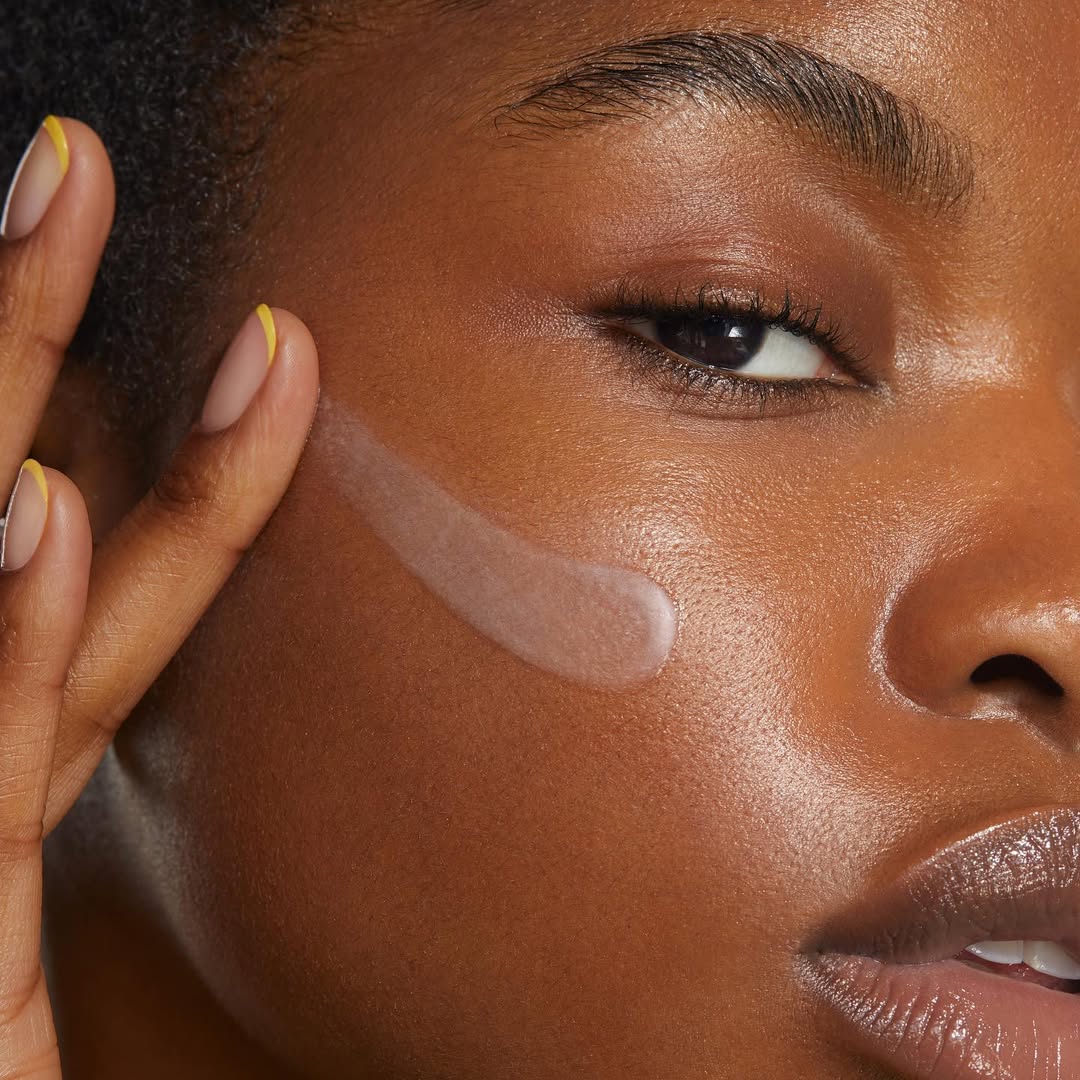
Much of the excitement surrounding GHK-Cu injections stems from visible improvements reported online: firmer skin, fewer wrinkles and more even skin tone. Some users even notice a softening of acne scars, likely due to the peptide’s role in collagen production and inflammation control.
Still, it is important to temper expectations. Results accumulate gradually, especially with consistent use. Peptides support skin health; they don’t deliver overnight miracles, but their impact over time can be significant and increase both resilience and radiance.
Hair growth: An area of interest
In addition to the skin, GHK-Cu is also receiving attention for its potential role in hair growth. Early research suggests that it may increase the formation of blood vessels around hair follicles and lengthen the hair growth cycle. This is important because stronger blood flow can improve how nutrients reach the follicles, while a longer growth phase can lead to thicker and fuller hair over time.
Although promising, research is still emerging and long-term data remains limited. Nevertheless, interest in peptide injections for hair growth continues to grow, especially among those seeking a proactive approach to follicle health.
Is it better than retinol?
This is one of the most common comparisons and the answer depends on what you are looking for. Retinol works by accelerating cell turnover, which can improve texture and reduce fine lines. However, it can also cause irritation, especially on sensitive skin.
GHK-Cu, on the other hand, focuses more on repair and support. It stimulates the skin to function better without forcing rapid skin renewal. As a result, it is often seen as a gentler option. Rather than replacing retinol, many routines use both at different times or stages depending on the skin’s needs.
Are there any side effects?
When used topically, side effects are generally minimal. Some people may experience mild irritation, but this is usually manageable.
Injections change the conversation. Because the peptide is introduced directly into the body, there is a greater need for medical supervision. Possible side effects include redness at the injection site or reactions, depending on how the body reacts.
That is why professional supervision is important. Treatments that go beyond the surface require a level of care appropriate to their intensity.
What happens if you stop using it?
As with many skin care treatments, the effects of GHK-Cu are not permanent. When you stop using it, the skin will gradually return to its natural state over time.
This doesn’t mean the results will disappear immediately, but it does emphasize the importance of consistency. The long-term benefits are generally associated with continued use, especially if the goal is to maintain collagen support and skin repair.
Can you use GHK-Cu on your face daily?
Yes, current versions are often designed for regular use. Serums with lower concentrations can be applied daily, making them an easy addition to most routines. However, higher strength formulas and injections require more careful planning. This underlines the importance of guidance from a trained professional.
The bigger picture: The rise of peptide skin care

The increase in interest in GHK-Cu reflects a larger shift in beauty. Peptides are no longer niche ingredients. They are becoming increasingly important to the way people approach anti-aging and skin health.
From peptide lip balms that combine hydration with subtle plumping to masks and moisturizers packed with ceramides and multiple peptide blends, the category is rapidly expanding. Serums in particular remain one of the most popular options, offering concentrated formulas that fit easily into daily routines.
The rise of GHK-Cu peptide injection is not an isolated trend. It’s part of a broader movement toward treatments that focus on long-term skin function rather than quick fixes.
Shop editor edit
Final thoughts
The buzz around GHK-Cu underlines how science, social media and consumer curiosity are converging to shape modern beauty trends. Although injectable treatments offer stronger, potentially more dramatic effects, topical products remain highly effective for those looking for gradual improvement.
The most effective approach combines innovation with realism, strengthening rather than replacing the foundations of healthy skin and hair. With GHK-Cu, the future of beauty is not just on the skin; it is well thought out, scientifically substantiated and sustainable.
Featured image: Kar-Tr/iStock
—Read also
Peptide in skin care: everything you need to know about the ingredient taking over beauty shelves