


Black style did not wait for permission to shape global fashion. Instead, the country transformed steadily and confidently through heritage, creativity and cultural pride. From the symbolic patterns of African textiles to the powerful red carpet statements worn by icons such as Beyonce, Rihanna, GuardAnd Lewis HamiltonBlack creativity has changed the way the world understands fashion. What started as a cultural expression within communities has grown into a global force.
Today, that influence is visible in the fashion capitals – from Lagos to London and from Paris to Los Angeles. Designers, stylists and cultural figures continue to reinterpret tradition through a modern lens. As a result, black creativity is no longer on the margins of fashion; it helps determine its direction.
Because of this constant evolution, black style has never simply followed fashion history. It helped create it.
The Cultural Roots of Black Style
To understand the power of black fashion today, it is essential to look at its cultural roots. Long before catwalk shows or fashion weeks, clothing had deep meaning in many African societies. Rather than serving merely as decoration, textiles communicated identity, beliefs, and social position within a community.
Fabrics such as Adire, Aso Oke, Ankara, Akwete and Kente cloth functioned as visual languages. Through patterns, colors and weaving techniques, these fabrics conveyed stories of history, family and cultural values.
Kente cloth, native to Ghana, traditionally symbolized royalty, wisdom and leadership. The colors and patterns often represented philosophical ideas understood within the community. Meanwhile, Adire, an indigo-dyed textile traditionally produced by Yoruba women in southwestern Nigeria, reflected stories of spirituality, resilience and everyday life. Similarly, Aso Oke, a thick hand-woven fabric often worn at Nigerian weddings and royal ceremonies, represents prestige, honor and craftsmanship.
Because of these traditions, clothing often communicated marital status, family heritage, and social identity. In many ways, garments can be ‘read’ as text. Fabric was therefore never purely decorative; it was culture, philosophy and stories woven into fabric.
Today, younger designers continue to reinterpret these textiles and combine them with modern tailoring and contemporary silhouettes. As a result, fabrics that once appealed primarily to local communities now resonate with a global audience.
The Architects: Black designers shaping global fashion
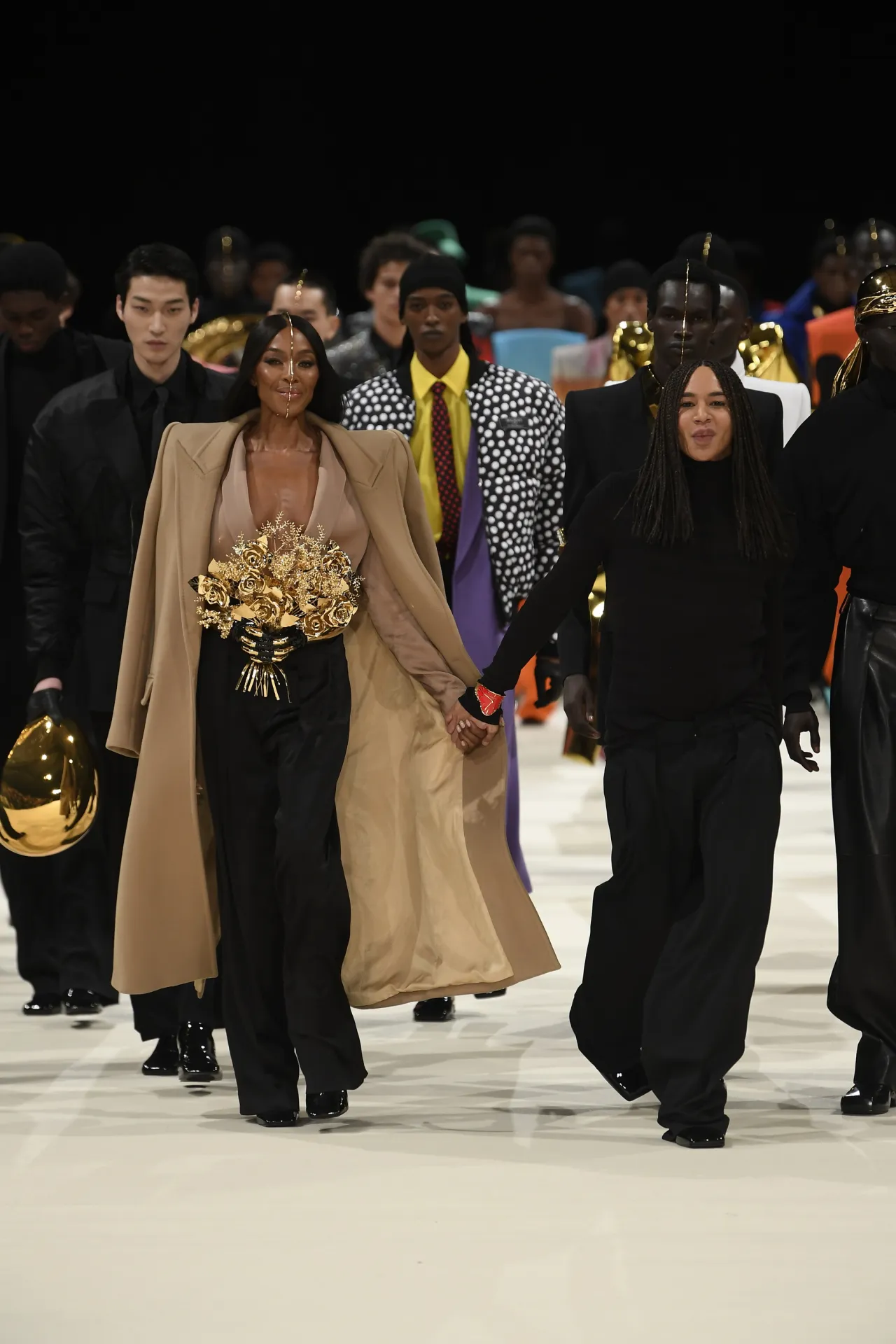
Over time, black designers have become some of the most innovative voices in fashion. One of the most influential figures was Virgil Ablohwhose work at Off-White and Louis Vuitton reshaped the way luxury fashion relates to street culture. By merging music, art, youth culture and design, he introduced a new creative language that continues to influence the industry.
Before departure Balmain in 2025, Olivier Rousteing brought bold glamor and expansive representation to the catwalk, redefining modern luxury. Even earlier, Brave Dan disrupted conventions by remixing luxury logos into culturally expressive streetwear.
At the same time, African designers are receiving increasing global attention. Creatives love Deola Sagoe, Lisa Folawiyo, Thebes Magugu, Veeke Jamesand Kilentar continue to combine traditional craftsmanship with modern design. Through their work, African textiles are transformed into contemporary garments seen on global catwalks and red carpets.
For decades, Africa was often seen only as a source of inspiration. Today, however, it increasingly serves as a source of new ideas, creativity and innovation on a global level.
The amplifiers: Celebrities who turn fashion into cultural moments
While designers lay the foundation for fashion trends, celebrities help amplify these ideas.
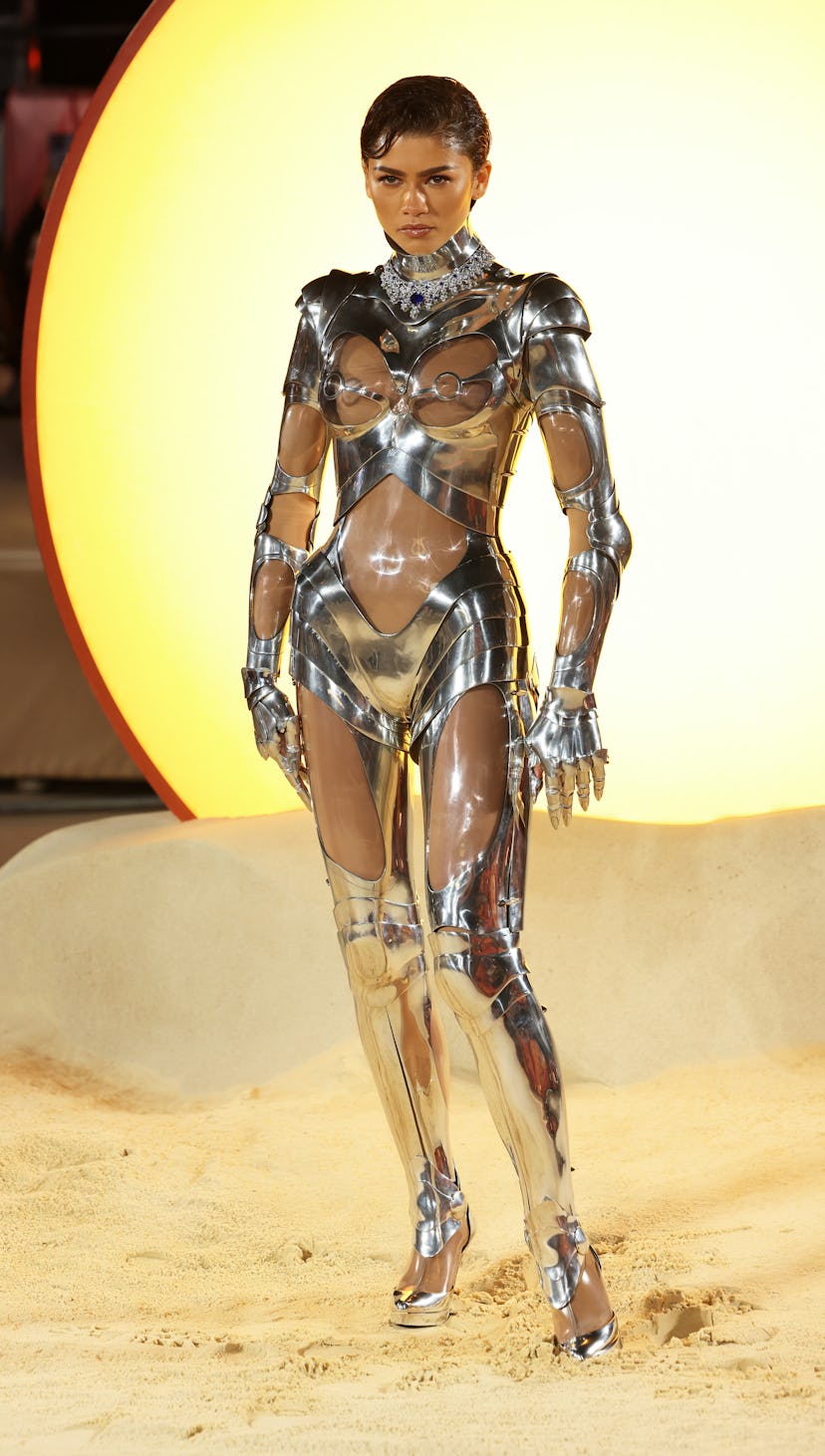
When famous artists and actors appear on red carpets wearing clothes by black designers, those images immediately make their way onto social and fashion media. For example, Zendaya has repeatedly turned red carpet appearances into powerful fashion moments. Her futuristic metallic suit at the premiere of Dune: part two quickly dominated global fashion newspapers. Previously, her Cinderella-inspired look at the 2019 Met Gala became one of the most viral red carpet moments in recent memory.
Beyoncé used fashion to celebrate African creativity in her visual album Black is king. Through this project, she introduced millions of viewers to African designers and cultural aesthetics.
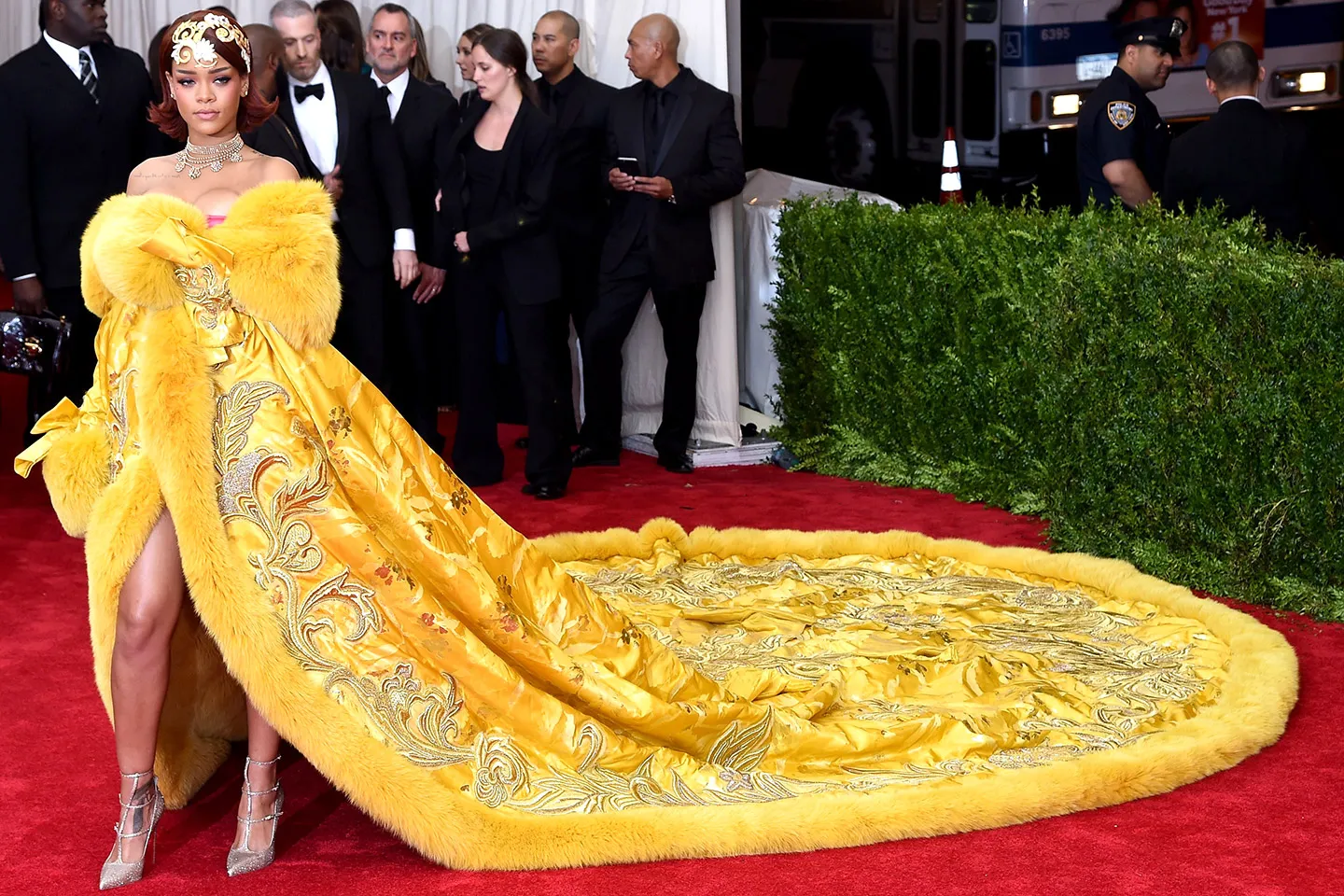
Rihanna also provided unforgettable Met Gala moments. Her dramatic yellow couture cape in 2015 became one of the most talked-about fashion images of the decade. The dress was the work of Guo Pei, a designer who was already a household name in China but gained global fame after this appearance. By choosing a Chinese couturier for the theme “China: Through the Looking Glass,” Rihanna helped bring traditional Chinese artistry into the modern global spotlight.
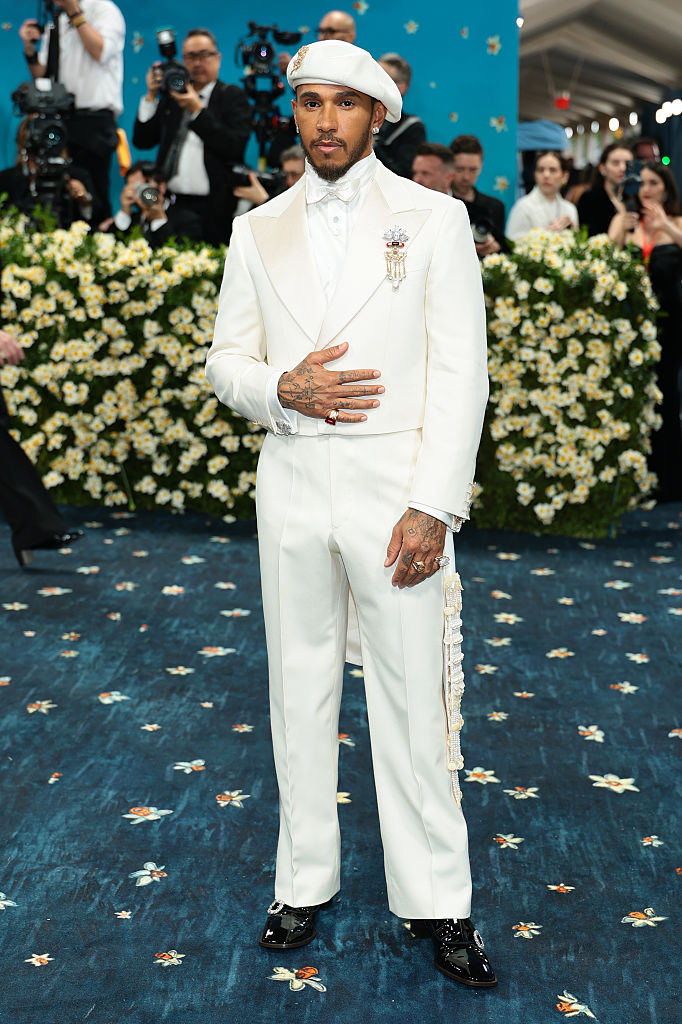
Likewise, Lewis Hamilton has leveraged his global visibility to become one of the most influential figures at the intersection of sports and fashion. He regularly uses Formula 1 race weekends as an informal catwalk and consistently champions black designers as he pushes the boundaries of masculine style. Through this continued visibility, Hamilton transforms everyday appearances into cultural statements, expanding the reach of black fashion and redefining what global luxury and masculinity can look like.
In the meantime, Colman Domingo has become one of the most compelling figures in contemporary red carpet fashion. His performances, often defined by rich textures, bold tailoring and dramatic silhouettes, regularly generate viral moments that put him at the center of global style conversations. Drawing from the tradition of black dandyism, Domingo’s fashion choices combine historic elegance with modern theatricality, demonstrating how menswear can function as both personal expression and cultural narrative.
The brain behind the looks
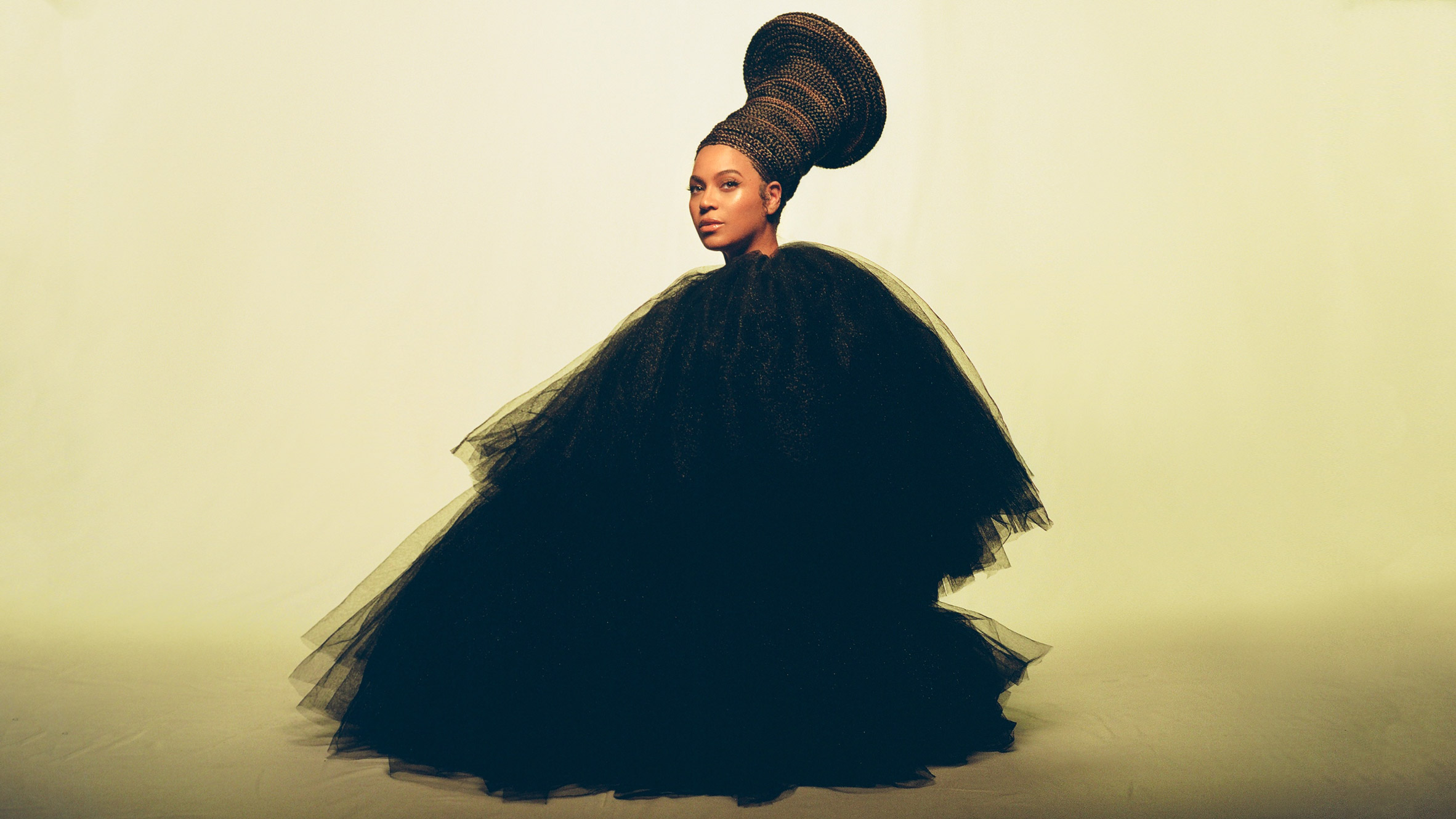
Behind every unforgettable fashion moment there is usually a stylist who shapes the vision. For example, Law Roach has been working closely with Zendaya for many years. Together they have created some of the most memorable red carpet looks in modern fashion. In the same way, Zerina Akers has helped empower black designers through her styling work with Beyoncé.
Stylists play an important role as they connect designers, celebrities and cultural themes. Through careful clothing selection and creative storytelling, they transform fashion into visual stories that audiences around the world can understand. Because of their influence, stylists often act as curators of fashion history as it unfolds.
The red carpet as a global catwalk
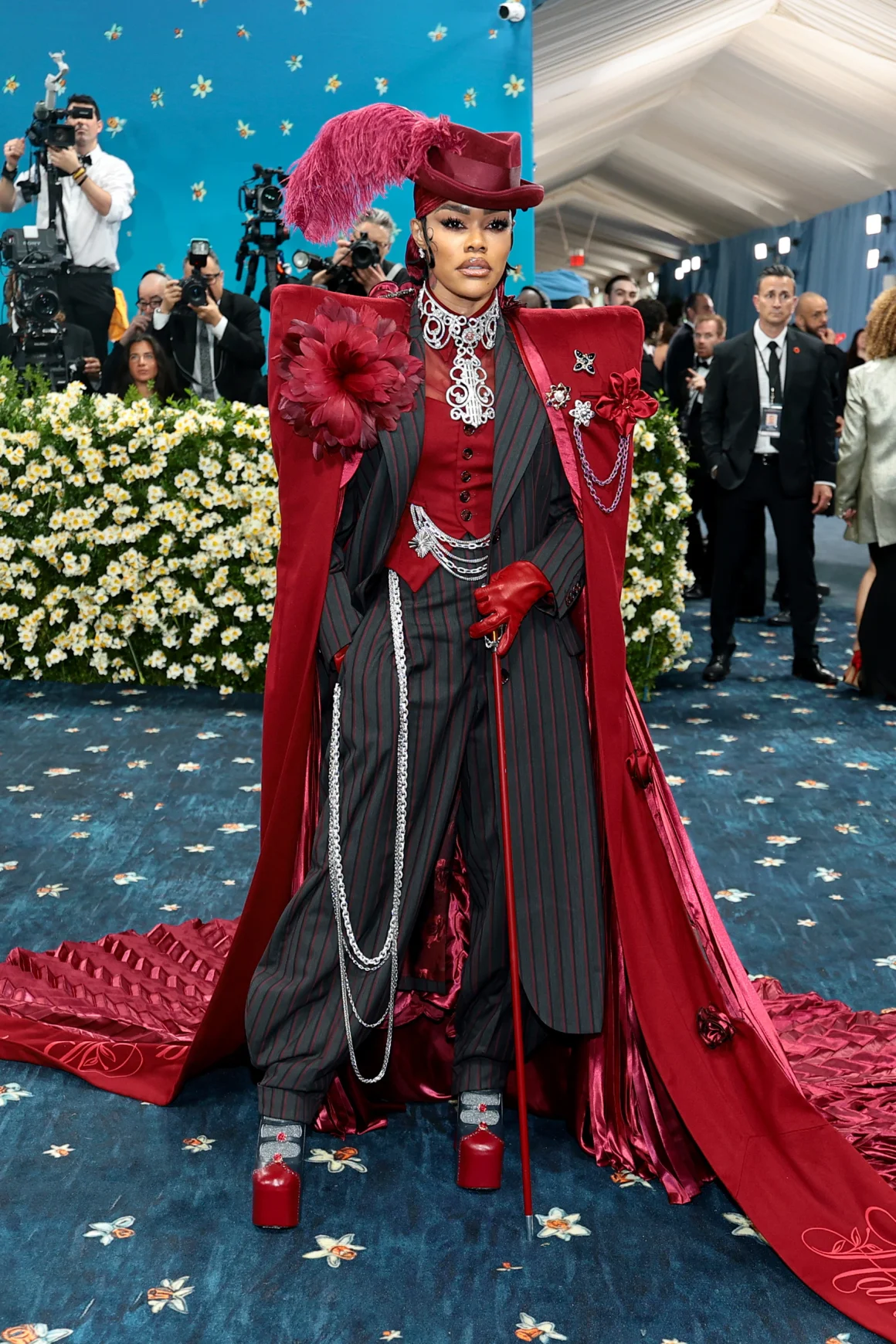
Major events like the Met Gala and the Academy Awards have essentially become global fashion stages.
When celebrities appear on these red carpets, their outfits are photographed, shared and discussed on social media platforms within minutes. As a result, a single appearance can inspire designers, influence fashion retailers and shape future trends.
Festival fashion, editorial shoots and streetwear aesthetics often reflect the creativity first seen on red carpets. That’s why the red carpet now functions as a live global catwalk where fashion ideas spread quickly across the world, and black talents take the lead.
The African Fashion Renaissance
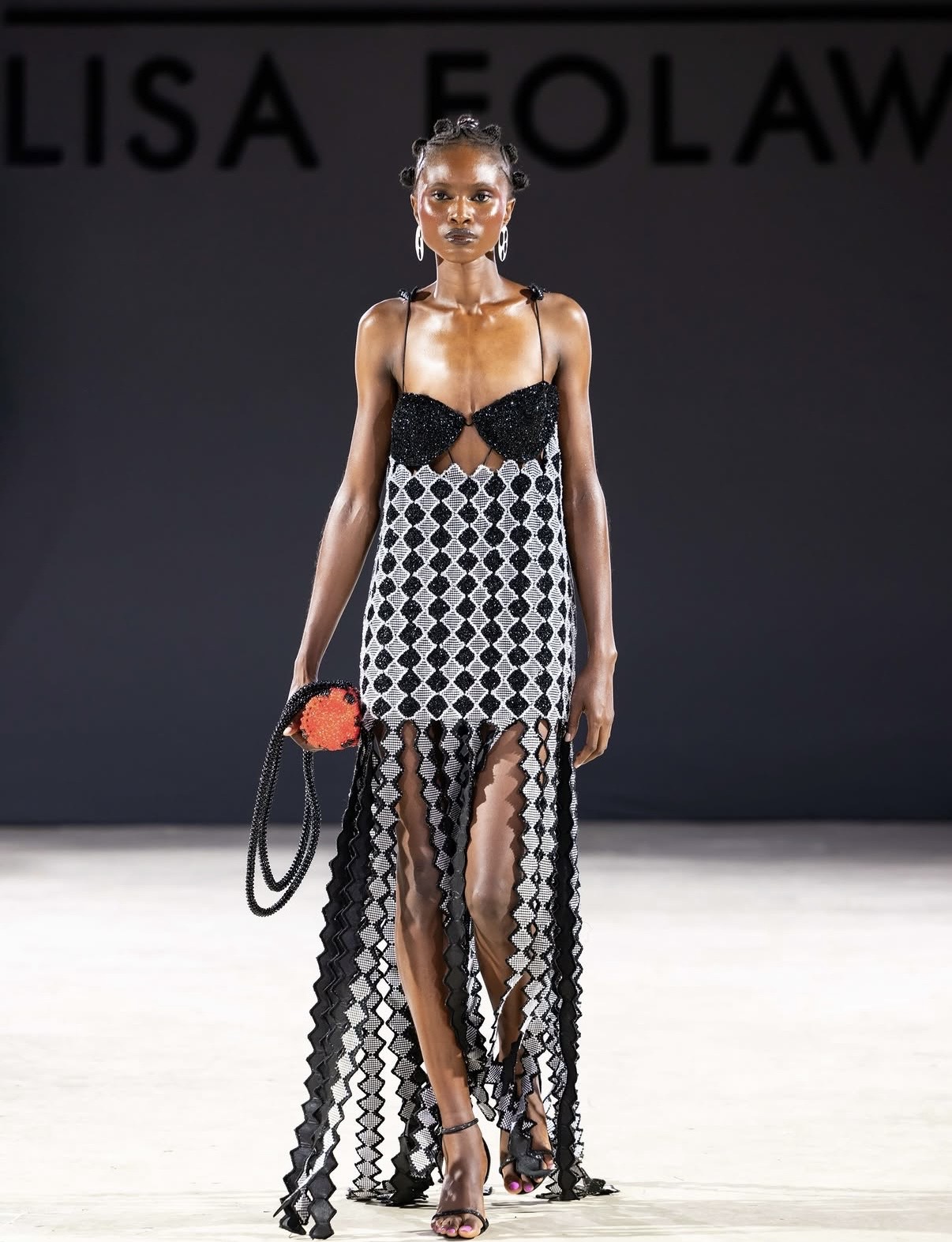
At the same time, Africa itself is experiencing a major fashion renaissance. Cities such as Lagos, Johannesburg and Accra are becoming important centers for new design talent and creative innovation.
Events such as Lagos Fashion Week provide platforms where designers present collections that combine traditional craftsmanship with modern fashion ideas. On these catwalks, garments often combine the dyeing techniques of Adire, the weaving traditions of Aso Oke and contemporary tailoring. Due to these developments, Africa is no longer simply seen as a source of inspiration for global fashion. Instead, it is increasingly recognized as a creative leader.
Many fashion observers now see this movement as further evidence of the global influence of black style that is shaping the future of fashion itself.
The global economy of African textiles
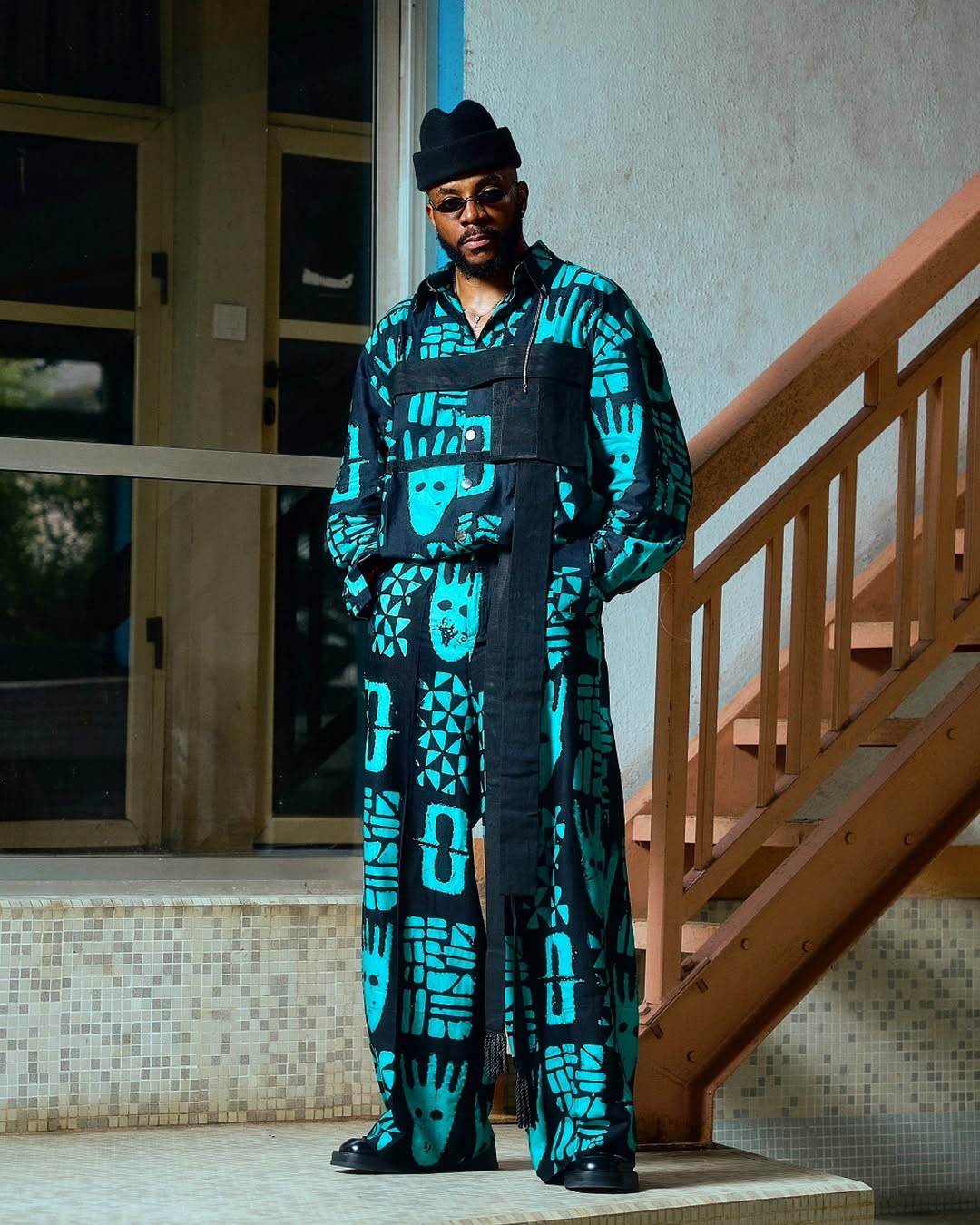
While the cultural importance of African textiles remains high, their economic impact is also growing rapidly. In recent years, traditional fabrics have appeared on international catwalks, fashion campaigns and magazine editorials. Designers across Africa and the diaspora are now incorporating these materials into modern garments such as jackets, handbags, sneakers and evening dresses.
Due to this growing demand, many designers are encouraging the use of locally produced textiles instead of imported fabrics. This movement helps support artisans, weavers, dyers and small textile producers in African communities. As a result, fashion becomes both a cultural expression and an economic driver.
In fact, the global influence of the black style is now helping traditional African textiles enter international markets, where they are valued not only for their beauty, but also for their cultural heritage and craftsmanship. Therefore, when the global audience celebrates African fashion today, it is also supporting a creative ecosystem that includes artisans, textile makers, local designers and cultural craft industries. Here, fAshion becomes a bridge between tradition and global trade.
The future of black style
Looking ahead, the influence of black fashion will continue to grow through collaboration between designers, stylists and cultural figures.
Designers will continue to create new ideas and visual concepts. Stylists will refine these ideas into powerful fashion stories. Celebrities will then bring these stories to audiences around the world. In this way, fashion ideas that start in one cultural space quickly travel across continents and influence global trends.
In many ways, black style moves through culture in the same way music does, crossing boundaries, evolving with new voices and shaping the mainstream. Long before the fashion industry openly acknowledged it, the global influence of black style had already begun to shape what the world would ultimately wear.
Featured image: Arnold Jerocki/Getty Images
—Read also
How culture shapes global fashion trends today