

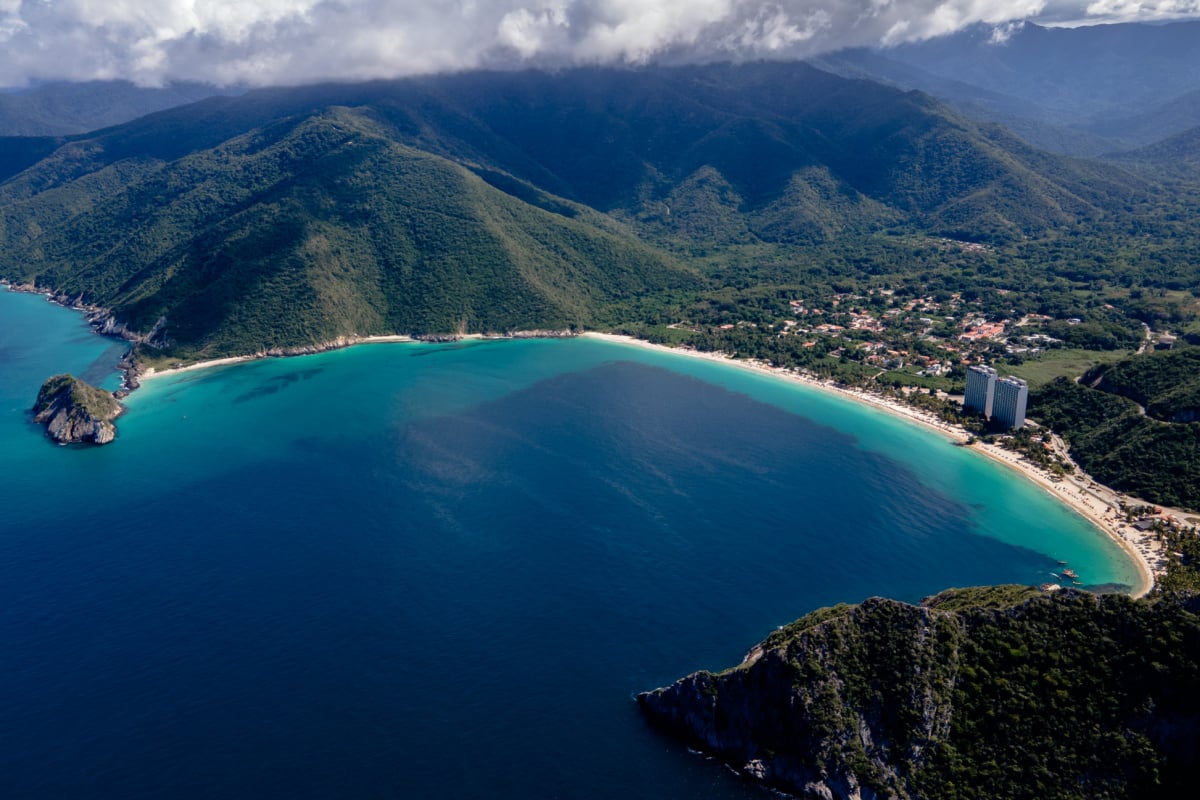
Share the article
In a huge shift for South American travel, Venezuela has officially modernized its entry process by introducing a mandatory electronic visa system (eVisa).
This digital system allows US citizens to apply for tourist and business visas online, eliminating the need to visit a physical consulate.
This development coincides with a milestone update from the US Department of State. In January 2026the US began a phased resumption of embassy activities in Caracas.
This was continued March 19, 2026due to a downgrade of the national travel advice to Level 3: Rethink travelofficially removing Venezuela from the ‘Do Not Travel’ category for the first time in years.
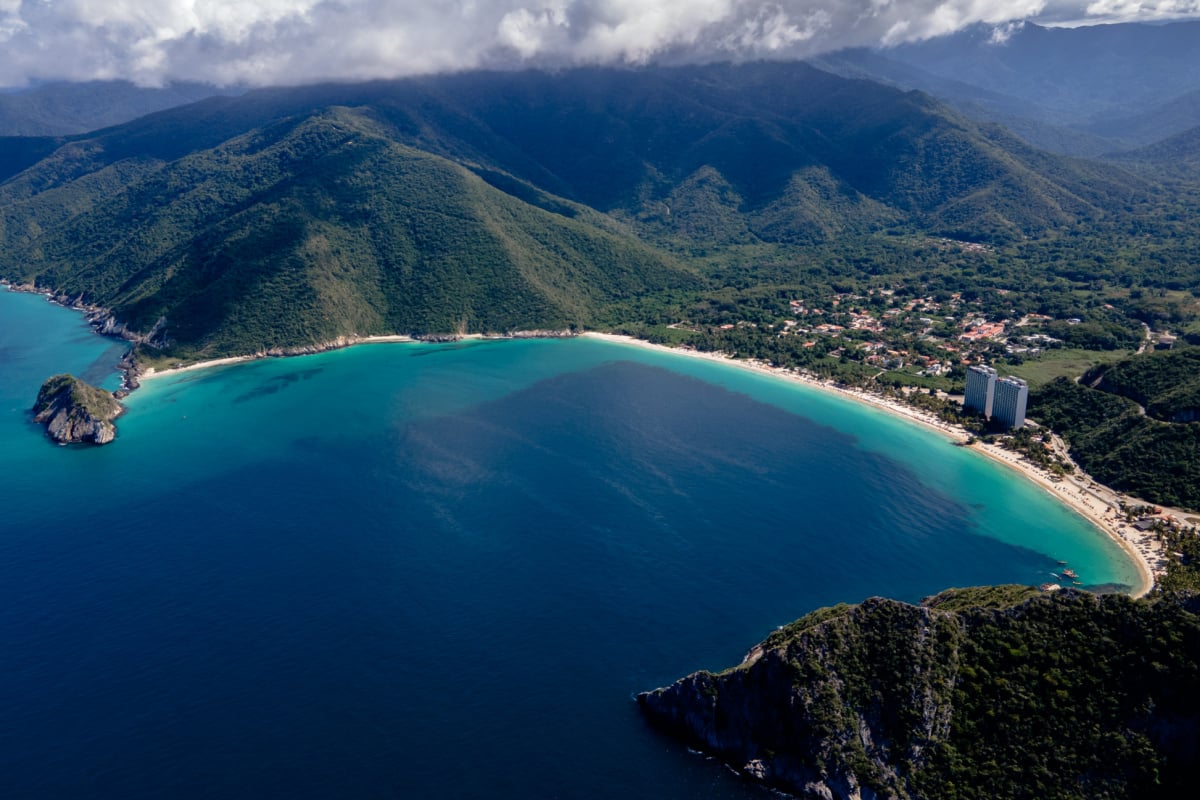
The new eVisa: what you need to know
From April 6, 2026the mandatory in-person interview has disappeared and Venezuela’s entry requirements are shifting.
The new 100% digital system is mandatory for all US citizens seeking tourist and business visas.
- Official portal: All applications must be submitted through the official website of the Ministry of Foreign Affairs (MPPRE).
- Approval & Delivery: Once approved, the visa will be delivered by email. There is no longer any need to make physical passport stamps or send your passport to third country consulates.
- The “convenience tax”: Although the process is simpler, it comes with a price increase. The rate has been increased to $180 USD (versus the previous $60).
- Processing time: Expect a window of 15–30 days for approval.
- Strict enforcement: Venezuela does not offering visas on arrival. Entering without a valid eVisa can lead to immediate arrest or deportation.
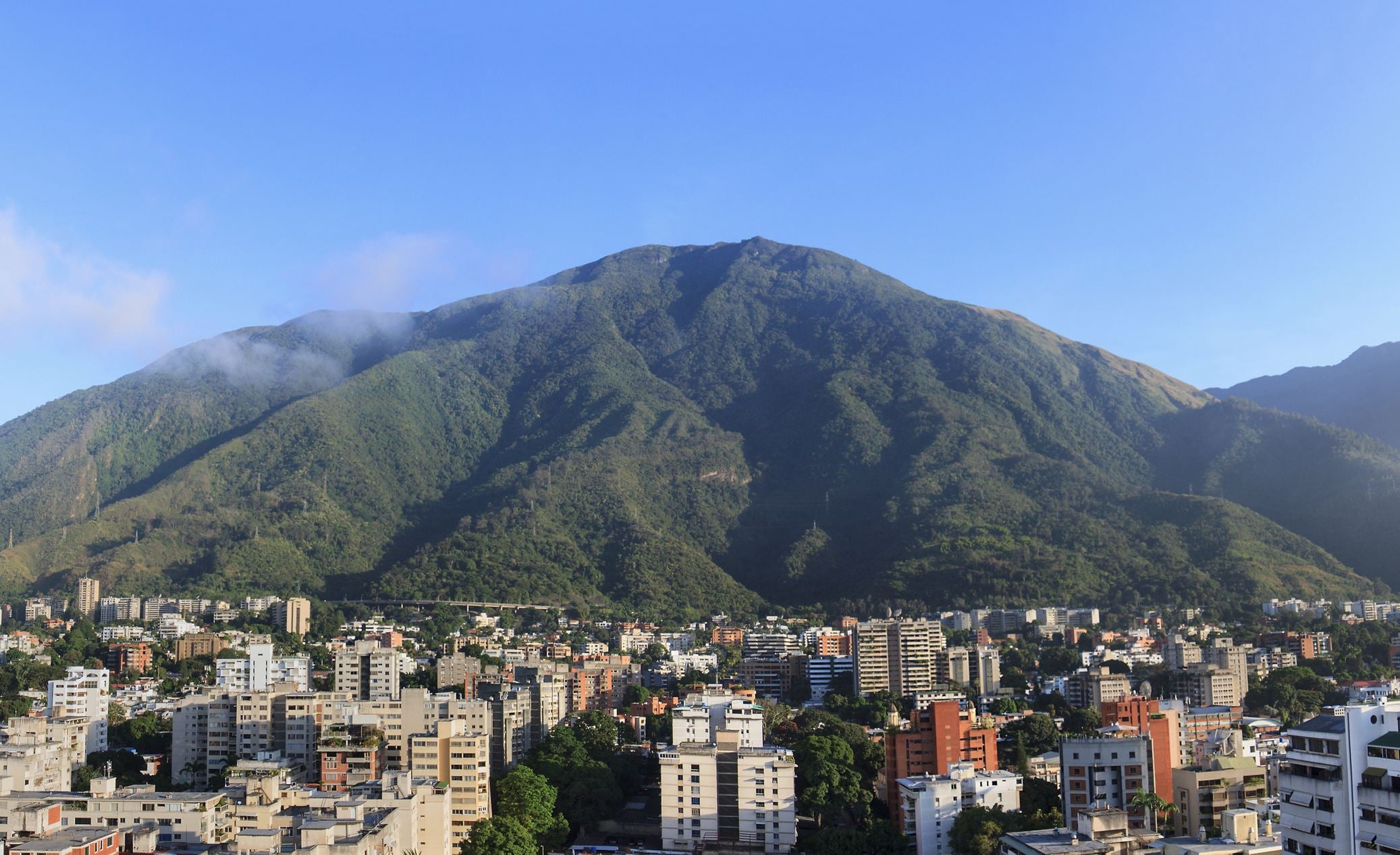
Why visit Venezuela in 2026?
With the new ease of access and reduced travel advice, adventurous travelers are looking at Venezuela for the first time in a decade.
Despite the challenges, the country remains home to some of the most breathtaking natural wonders in the world:
- Angel falls: The highest continuous waterfall in the world, falling almost 1 kilometer from Mount Auyán-tepui.
- Los Roques: An unspoilt Caribbean archipelago with turquoise waters and white sandy beaches that remain virtually untouched by mass tourism.
- Mount Roraima: The famous table mountain that resembles a prehistoric ‘lost world’.
- The Catatumbo Lightning: A unique atmospheric phenomenon over Lake Maracaibo that produces almost continuous lightning light shows.
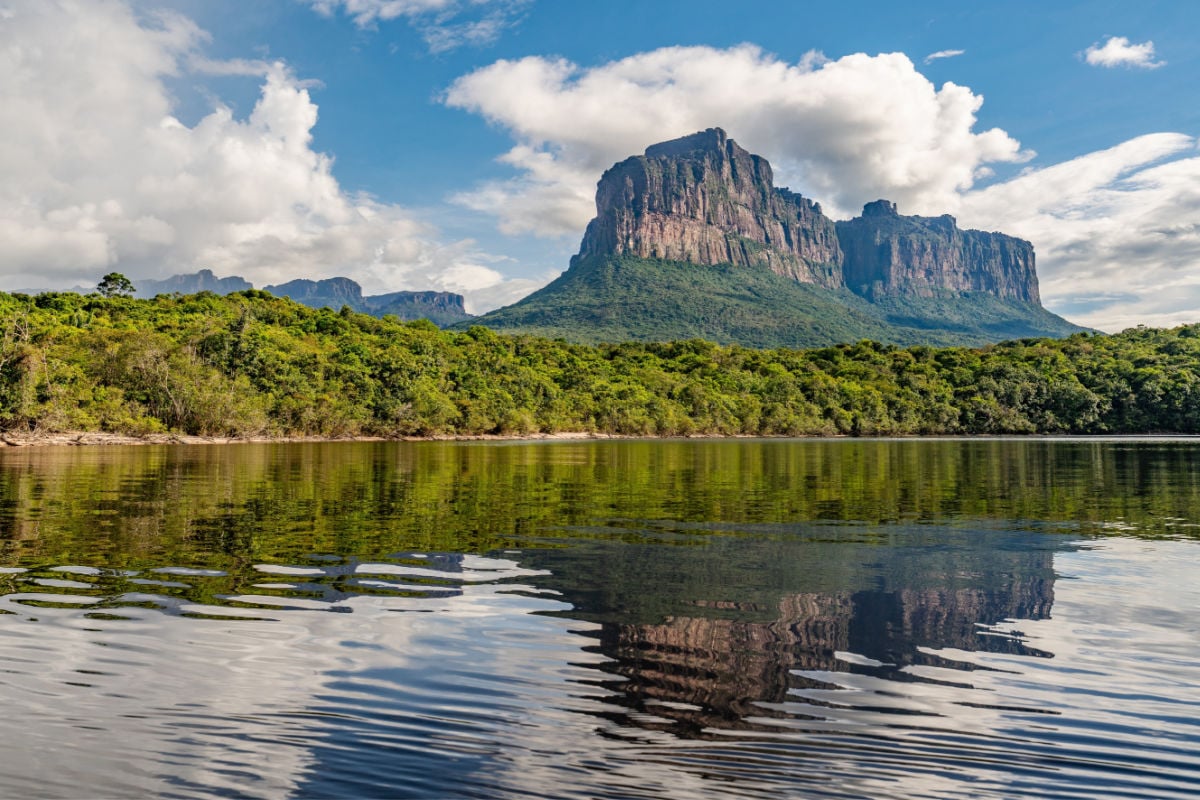
Navigating Reality: What’s Changed (and What’s Not)
While the resumption of phased embassy operations in Caracas is a huge step forward, the reality of traveling to Venezuela in 2026 remains complex.
- Presence of the embassy: Although activities are resuming in Caracas, they are limited. Routine consular services remain suspended, and most emergency services for Americans continue to be provided through the US Embassy in Bogotá, Colombia. The U.S. government has an extremely limited ability to assist citizens outside the capital.
The “Level 4” zones: Despite the national classification of level 3, there are strict regulations in several areas Level 4: Do not travel. This includes:
- Everything inside 20 miles from the Colombian border for crime and kidnapping.
- The states of Amazonas, Apure and Tachira due to terrorism risks.
- Rural areas inside Bolivar and Aragua because of violent crimes.
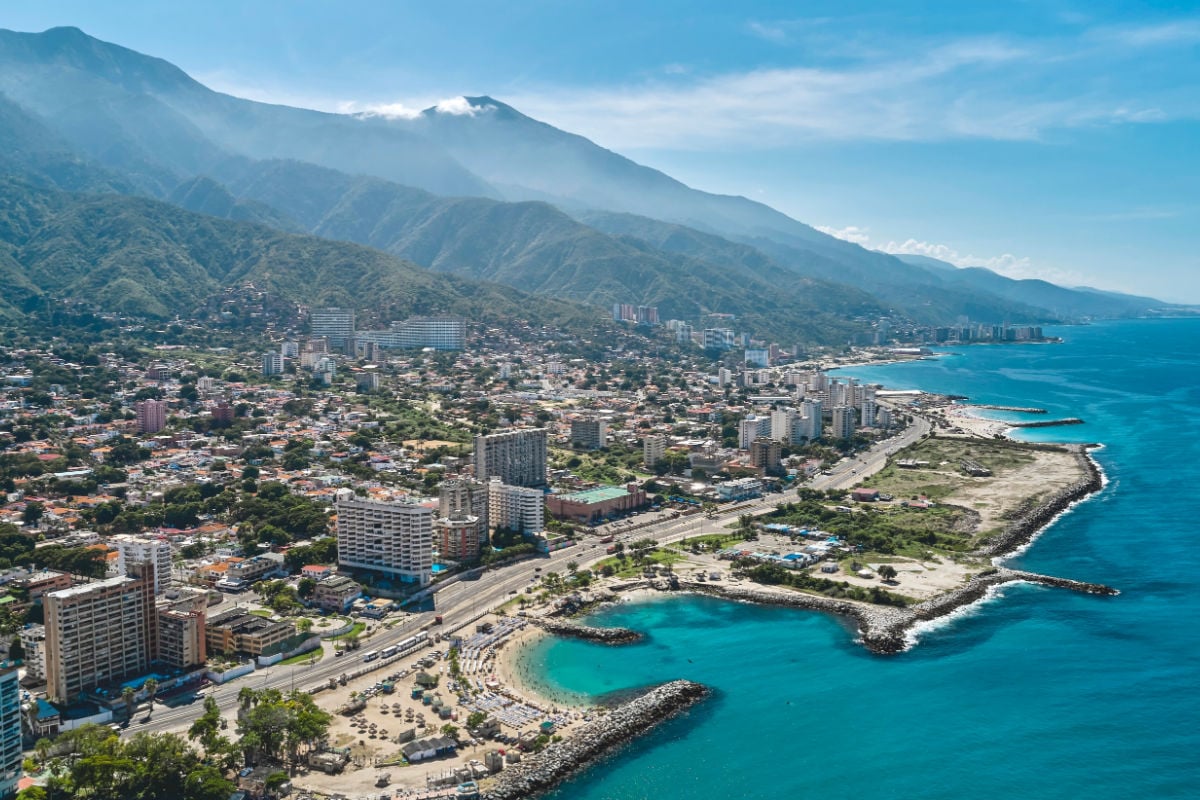
- Infrastructure & Health: The healthcare system is in a state of recovery, but remains vulnerable. Travelers should bring their own supply of prescription and over-the-counter medications.
- Cash is king: While the US dollar is widely accepted, ATMs are in Venezuela not accept US debit or credit cards. You must bring enough clean, pristine cash to cover your entire stay.
- Safety protocols: The State Department still recommends that Americans avoid showing signs of wealth (expensive watches or jewelry) and avoid overnight travel between cities or to the international airport. Register with the Smart Traveler Enrollment Program (STEP) is considered mandatory for anyone making this trip in 2026.
- Stay informed: To ensure you never miss a change in Venezuela entry requirements, check before planning your trip.
Direct flights resume: American Airlines is leading the way
To further connect the two countries, the U.S. Department of Transportation and Homeland Security officially rescinded the 2019 flight ban in mid-April 2026.
- First carrier back: US airlines (managed by its subsidiary Envoy Air) is the first US airline to return.
- Launch date: Non-stop service in between Miami (MIA) And Caracas (CCS) will officially resume April 30, 2026.
- Daily service: The airline launches 175 dual-class aircraft daily with Embraer.
- Flight times: The flights will depart Miami at 10:16 a.m. and return from Caracas at 2:40 p.m., restoring a direct 3-hour route that previously required multi-stop connections through Bogotá or Panama City.
ACCESS RULES
New eVisa system
Tap to reveal
Digital application
US citizens must apply online through the official portal. Please enter with a valid visa to avoid detention.
Tap to close
CONNECTIVITY
Direct flights resume
Tap to reveal
Miami to Caracas
American Airlines will resume daily nonstop service (MIA-CCS) on April 30, 2026. Reinstatement of a 3-hour direct route.
Tap to close
SECURITY STATUS
Level 3: Rethink
Tap to reveal
Advisory reduction
Disappeared from ‘Do Not Travel’ for the first time in years. Border zones remain strictly level 4.
Tap to close
LOGISTICS
Cash is king
Tap to reveal
Prepare your wallet
ATMs do not accept US cards. Bring enough clean cash for the entire trip. The embassy’s activities remain limited.
Tap to close
Travel safely!
Venezuela ‘reopens’, but does so with a significant asterisk.
For the experienced traveler who can navigate the new eVisa system and prepare for limited consular support, it offers a rare opportunity to see a country in a historic state of transition.
However, it remains a destination where ‘rethinking travel’ and careful safety planning are the keys to a successful trip.
To apply for the visa, use the official website of the Ministry of Foreign Affairs (MPPRE) here.


