


Business casual is now the most common workplace dress code in America. According to Sprout’s February 2026 clothing guide41% of US workers dress business casual every day, making it the dominant standard in corporate offices, creative agencies and hybrid work environments. But despite its common occurrence, it remains the dress code most men get wrong most often.
The confusion stems from the name itself: business implies formality, while casual implies the opposite, and finding the balance between the two has never had an easy answer. What has changed in 2026 is that the rules have shifted significantly enough that what worked five years ago is now perceived as stiff or sloppy, depending on the context.
Fashion forecasting platform WGSN identified polished casual as a defining workplace trend for 2025 to 2026, describing it as the intersection of comfortable clothing and professional finish. Hybrid work and street style have reshaped business-casual attire, favoring relaxed silhouettes paired with thoughtful tailoring. Overshirts replace blazers. Quality sneakers fit comfortably next to smarter pieces. Going tieless is now the norm. The standard has not dropped. It has simply shifted to something more intelligent and personal, and the men who understand that shift look significantly better than those who are still operating under the old playbook.
The basic pieces
The core of business casual in 2026 has not changed dramatically, but the execution has. A crisp Oxford shirt paired with tailored chinos and loafers remains timeless, while modern fits keep it current, according to Superdry’s office guide. For a softer approach, lightweight knits layered over a button-down and finished with structured trousers offer an effortless take on business casual that stays stylish without trying too hard.
The biggest change takes place in trousers. Straight and tapered trousers offer a more modern silhouette, while wide leg and pleated styles are quickly becoming mainstream, offering comfort and a strong visual statement. Classic chinos remain the essential business-casual pants because they are versatile in every setting and dress code level. Dark wash denim with a tight, tailored fit is now widely accepted in creative, technical and media environments, although the rule is consistent: no tears, no heavy wear, no excessive fading.
Shop editor’s picks
How has the blazer evolved in 2026?
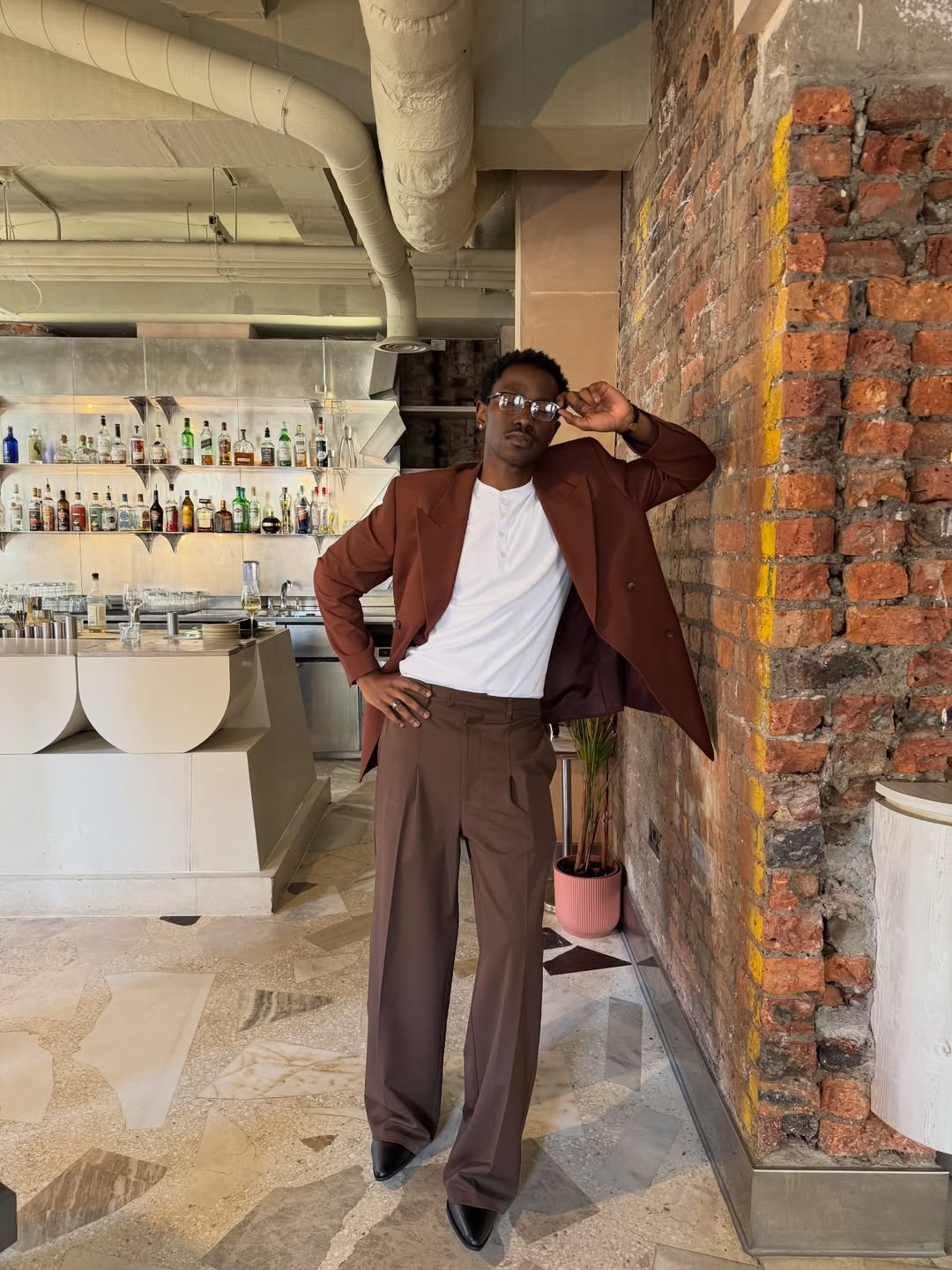
The blazer remains the most versatile piece of business-casual clothing, but its shape has changed. The trend for 2026 is towards more loosely cut oversized blazers, unstructured blazers and chore jackets. Oversized blazers are an absolute staple in the office right now, because comfort and authority are no longer in conflict. A well-chosen oversized blazer delivers both at the same time, according to a 2026 fashion analysis by whaelse.com.
The key distinction is intentionality. An oversized blazer in a quality fabric deliberately chosen over a considered outfit looks polished and current. The same silhouette in poor fabric or worn over an ill-fitting base reads as careless. The color choice for the 2026 business-casual blazers focuses on navy, gray, beige and earth tones, including olive green. These are safe and advanced choices that work in most professional environments. Going tieless is the norm, but to avoid an empty chest, a pocket square adds a finishing touch that immediately takes the overall sophistication to the next level.
Shop Editor’s Choice
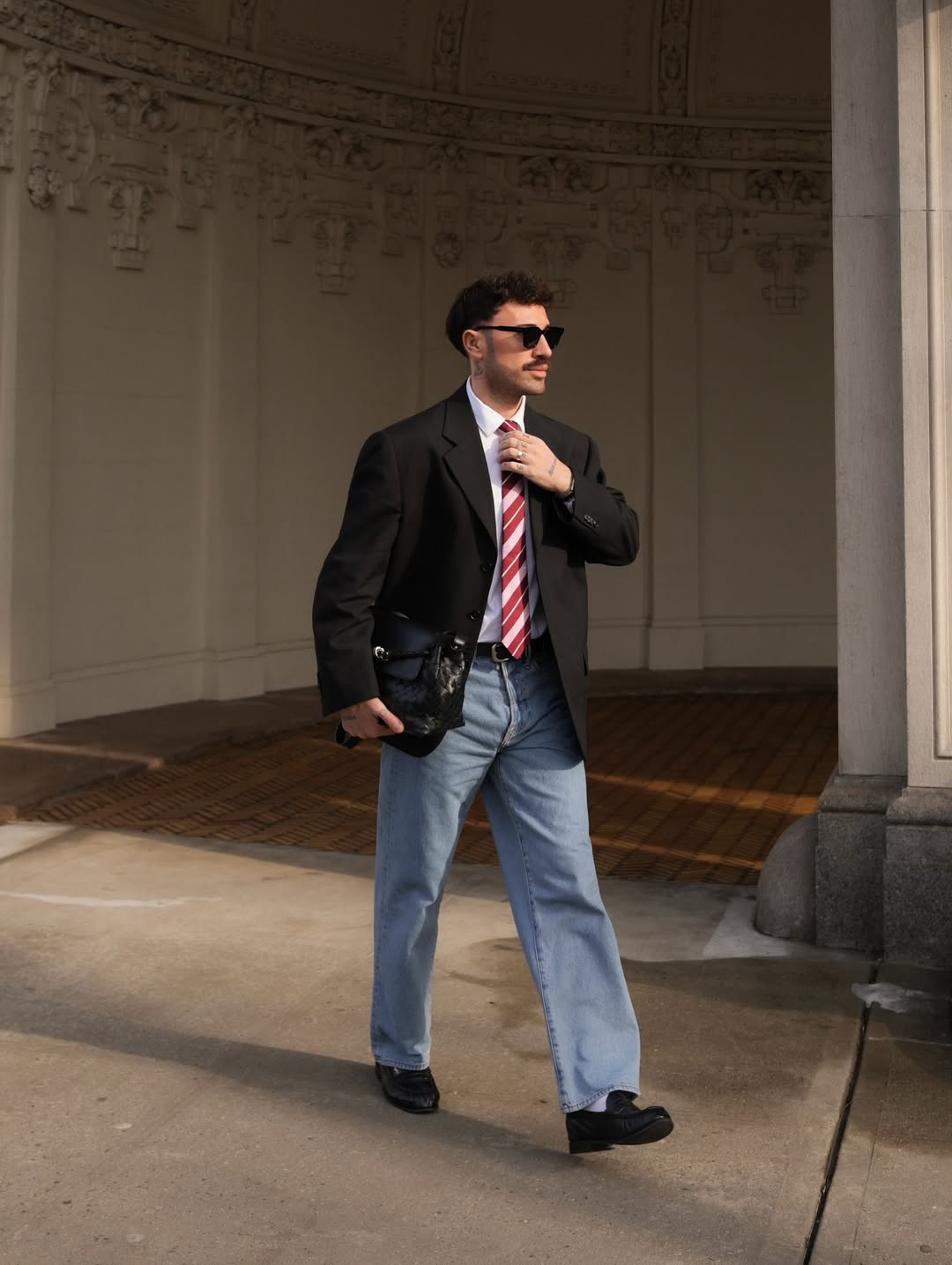
Quality sneakers represent one of the most significant shifts in men’s business casual attire in the past three years. German Army sneakers, with their retro-minimalist design, have become a popular option when paired with trousers, and sleek white leather sneakers are widely accepted in the tech and creative industries. The rule with all sneaker choices is consistency: Avoid functional running shoes, basketball shoes or anything that reads like gym clothes, no matter how clean it is.
Loafers remain the most versatile shoe choice for business and casual, as they suit every dress code level, from relaxed creative to almost formal business. Suede boots in brown or tan provide a reliable look that transitions easily from office to evening. The principle for all shoe choices in 2026 business casual is that the shoe should complete the outfit and not compete with it. If the shoe is the most interesting thing about the look, the look needs work.
Shop Editor’s Picks
The context line that overwrites everything
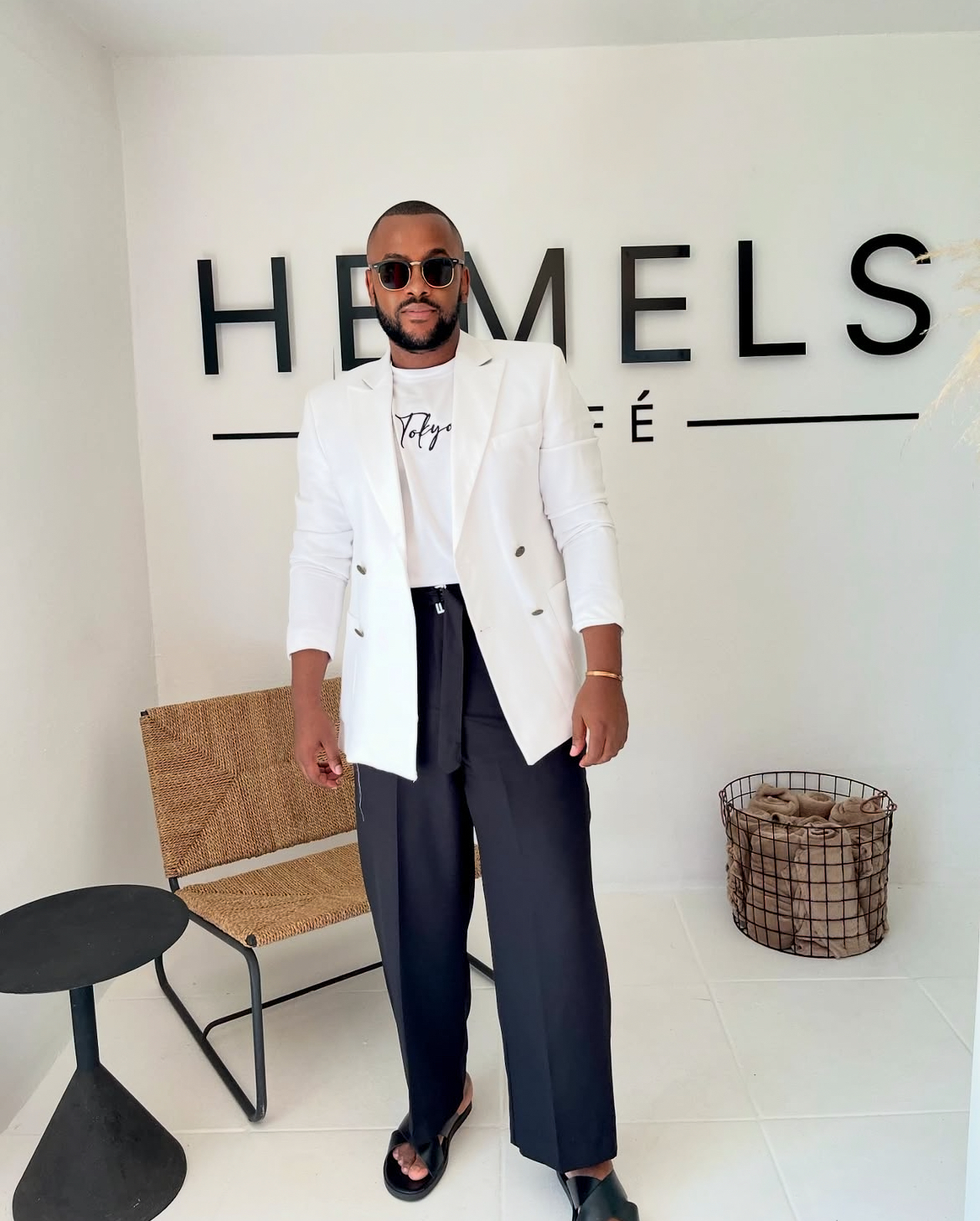
Business casual varies significantly depending on the industry and environment, and the most important rule in 2026 is to read your specific context carefully. Finance, law and consulting are skewed, even if the official code says business casual: Dress pants and blazers remain expected in these environments, according to Sprout’s 2026 clothing guide. Creative agencies and media companies are allowing more personality and experimentation. Healthcare and education positions require clean and conservative choices regardless of the general dress code.
The filter that works in any context is the word intentional. Every piece of clothing in a business-casual outfit should look like a chosen item and not something grabbed without a second thought. A fitted crew neck tee under a structured blazer with dark jeans has the text polished and intentional. The same jogger T-shirt reads lazy, no matter how expensive either piece is. In 2026, business casual is less about following set rules and more about demonstrating that you understand your environment well enough to dress appropriately for it.
Featured image: @uncleaisosa/Instagram