

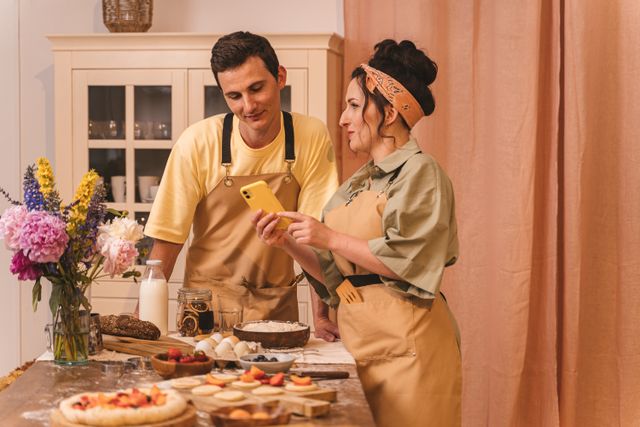
For years, kitchens were designed around functionality. Sleek cabinets, hard surfaces and minimalist finishes dominated, creating spaces that were efficient but sometimes lacking in warmth.
Now a different approach is starting to take hold. The rise of the ‘soft kitchen’ reflects a growing desire for homes that feel comfortable, welcoming and lived-in. Rather than treating the kitchen as a purely functional workspace, homeowners design these rooms so that they feel like a natural extension of the living room.
What is a soft kitchen?
A soft kitchen is not a specific style. Instead, it’s a design approach that prioritizes comfort, warmth and personality.
Rather than relying on strong contrasts and ultra-modern finishes, soft kitchens embrace:
- Warm, earthy colors
- Natural materials
- Curved shapes
- Layered textures
- Comfortable seats
- Decorative accessories
The goal is to blur the lines between cooking, dining, entertaining and relaxing.
As open-plan living continues to dominate modern homes, it makes sense that kitchens are starting to adopt the same cozy qualities traditionally associated with lounges and living rooms.
Why is the trend becoming so popular?
The shift reflects how people use their homes today.
Kitchens have become the social center of many households. They are places where families gather after work, where guests gather naturally during parties and where daily life takes place.
After years of minimalist interiors and carefully curated spaces, there is also a growing need for rooms that feel more personal and comforting. Homeowners increasingly want spaces that support well-being, rather than just look impressive.
The gentle cuisine responds directly to this desire. It creates an atmosphere that is relaxed, lived-in and truly enjoyable to spend time in.
Embrace warmer colors
One of the easiest ways to create a softer kitchen is through color.
Bright white kitchens still have their place, but warmer tones are becoming increasingly popular. Soft taupe tones, mushroom tones, muted greens, dusty blues and creamy off-whites all help to create a softer atmosphere.
These colors feel calmer and more connected to nature than cooler grays or stark whites.
For those hesitant to choose colorful cabinets, introducing warmer paint tones, textiles or accessories can achieve a similar effect without a major renovation.
Bringing in natural materials
Natural materials play a big role in softening the look of a kitchen.
Wooden planks, stone worktops, linen blinds and woven accessories all add warmth and texture. These elements help compensate for the harder surfaces that are unavoidable in a practical kitchen.
Floors can also contribute significantly to the appearance. Parquet floorsprocessed wood, and wood effect LVT bring warmth underfoot and make the kitchen feel more connected to adjacent living spaces. Continuing the same flooring in an open plan can make the entire space feel more cohesive and inviting.
Curves replace sharp edges
Another defining characteristic of the soft kitchen trend is the move away from clean lines.
Round islands, curved breakfast bars and softly shaped furniture create a more relaxing environment. Even smaller details such as curved shelves, round pendant lamps or curved dining room chairs can make a noticeable difference.
These softer shapes feel less formal and help create a natural flow through the room.
The effect is subtle but incredibly effective at making a kitchen feel less utilitarian.
Layered textures like a living room
Traditional kitchens are often heavily focused on hard, wipeable surfaces. Soft kitchens introduce more texture to create depth and comfort.
This may include:
- Upholstered dining room chairs
- Fabric lampshades
- Linen tablecloths
- Cushions on built-in seats
- Natural fiber carpets
Layering different textures helps prevent kitchens from feeling cold or clinical.
Similar to a living room, the goal is to create visual interest while making the space comfortable enough to linger in.
Styling instead of hiding
For years, kitchen design focused on hiding clutter behind closed doors. Soft kitchens have a more relaxed approach.
Open shelving allows favorite ceramics, cookbooks and decorative items to become part of the design. Vintage finds, artwork and personal collections introduce character making the room feel unique.
Instead of striving for perfection, the trend embraces thoughtful displays that reflect everyday life.
This sense of authenticity is a big part of what makes soft kitchens so inviting.
Is a soft kitchen worth it?
For anyone who sees their kitchen as more than just a place to prepare meals, the answer is probably yes.
The soft kitchen trend is not about sacrificing functionality. It’s about recognizing that modern kitchens serve multiple purposes and designing them accordingly. By introducing warmth, texture and comfort, these spaces become places where people really want to spend time.
Perhaps the biggest appeal is that the trend feels timeless. Natural materials, comfortable furniture and warm colors rarely go out of fashion, making soft kitchens both a practical and beautiful long-term choice.