Share the article
Not France and its turquoise sea-fringed south coast, Italy with its idyllic cypress-lined driveways, nor Spain and its world-class city breaks: small Eastern European “backwater” Kosovo is fast becoming the next hotspot of the Old Continent.
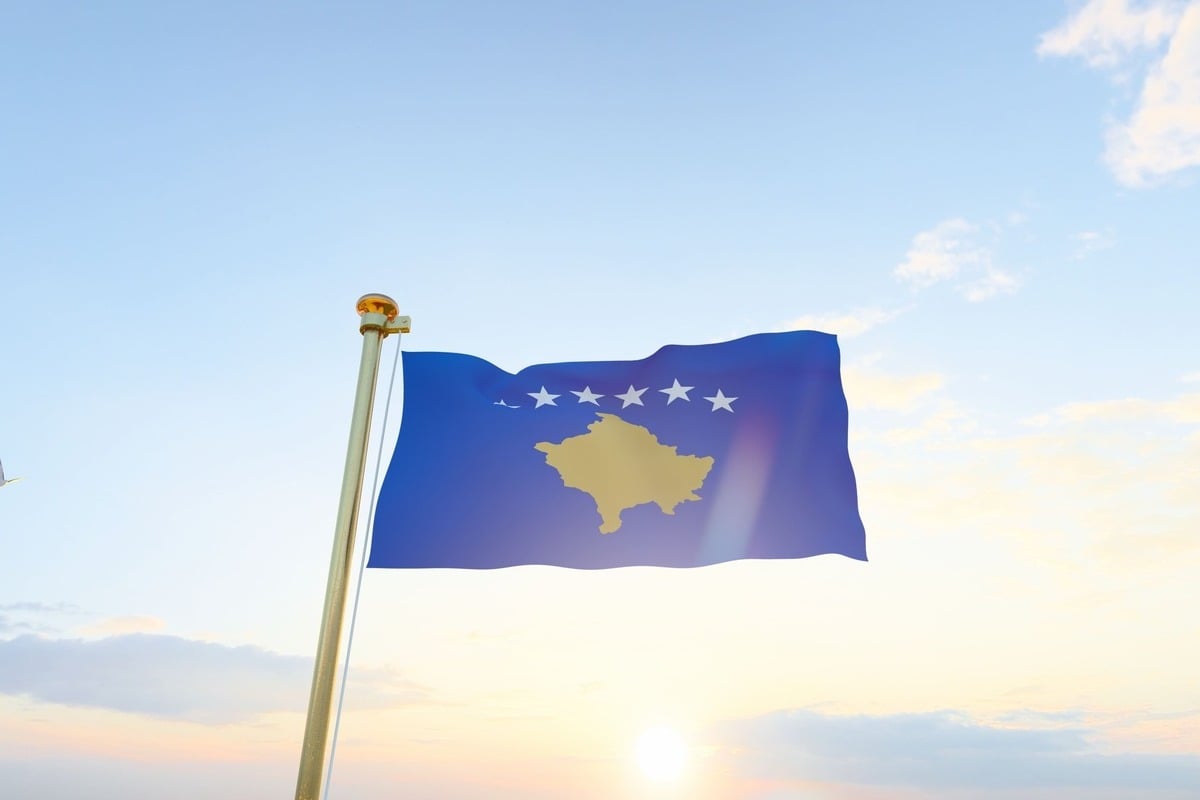
Kosovo only declared independence 18 years ago, making it Europe’s youngest state, but in recent years the country has soared in popularity as travelers’ eyes increasingly turn to the much cheaper, much untapped Balkans.
Hotel visits increased in March 2026 alone almost 16% year-on-yearof 46,649 visitors registered in one month. It may not sound like much on paper, but for a country of 1.6 million historically associated with sectarian wars and political instability, it represents a major turnaround.
Europe’s next rising star
Why is Kosovo having a moment, you ask?
Well, have you seen how busy all these hugely popular Western European hubs have become lately?
You can barely get a cheeky Spritz in Amalfi without queuing for a few excruciatingly long minutes, and even then it will cost you a whopping $15 just for the terrace view.
And if you’re taking your girlfriend on a romantic getaway to Santorini, you’d better have a few thousand euros in savings lying around, because those caldera-view villas rarely cost less than $800 a night.
Kosovo may not have access to the sea, but it has stunning nature to rival Switzerland’s, a fascinating culture that puts it on par with equally trendy Albania, and the star of the show: hearty Balkan cuisine where you can enjoy flaky burek and grilled meats for months.
Here’s a bit of backstory for you:
Kosovo in summary
Kosovo used to be part of the once magnanimous Yugoslavia, a communist-oriented state that occupied much of the Balkan Peninsula – including countries like Serbia and Croatia, although in reality Serbia was the big brains behind it.
It consists mainly of ethnic Albanians, with a few groups of Serbian ethnonationalists scattered here and there, though they are not part of the European Unionthey use the euro as their de facto currency.
You probably know Kosovo by its famous exports such as Dua Lipa or Rita Ora, or, if you are a geopolitical buff, by the fact that it was engulfed by the bloody Balkan wars of the 1990s.
The latter sounds a lot scarier than it being pandemic contagious Levitation The hook stuck in your head, but honestly, Kosovo couldn’t feel safer to visit right now. Because I have been to more than 40 European countries myself, it is really true one of the places where I have felt the least tense.
And that comes from someone who lives in the heart of Paris.
Sure, you wouldn’t go walking along the still-disputed border with Serbia (where gunfights occasionally occur), or wander into vaguely political demonstrations, but for the most part, Kosovo is about as safe and welcoming as an underdeveloped Balkan country that carries the stigma of being one of Europe’s poorest countries can realistically be.
And it’s not just me saying that: it’s also reflected in the Traveler Safety Index, where Kosovo scores a respectable 75 out of 100.
Yes, pickpocketing does happen from time to time, and yes, it’s not that the culture of scams has been completely eradicated, but in the unlikely event that you are targeted by petty criminals, it usually won’t be in an aggressive way.
Compared to other Balkan capitals such as Sofia or Bucharest, I found Pristina rather cold and unpretentious.
What does it matter, Pristina?
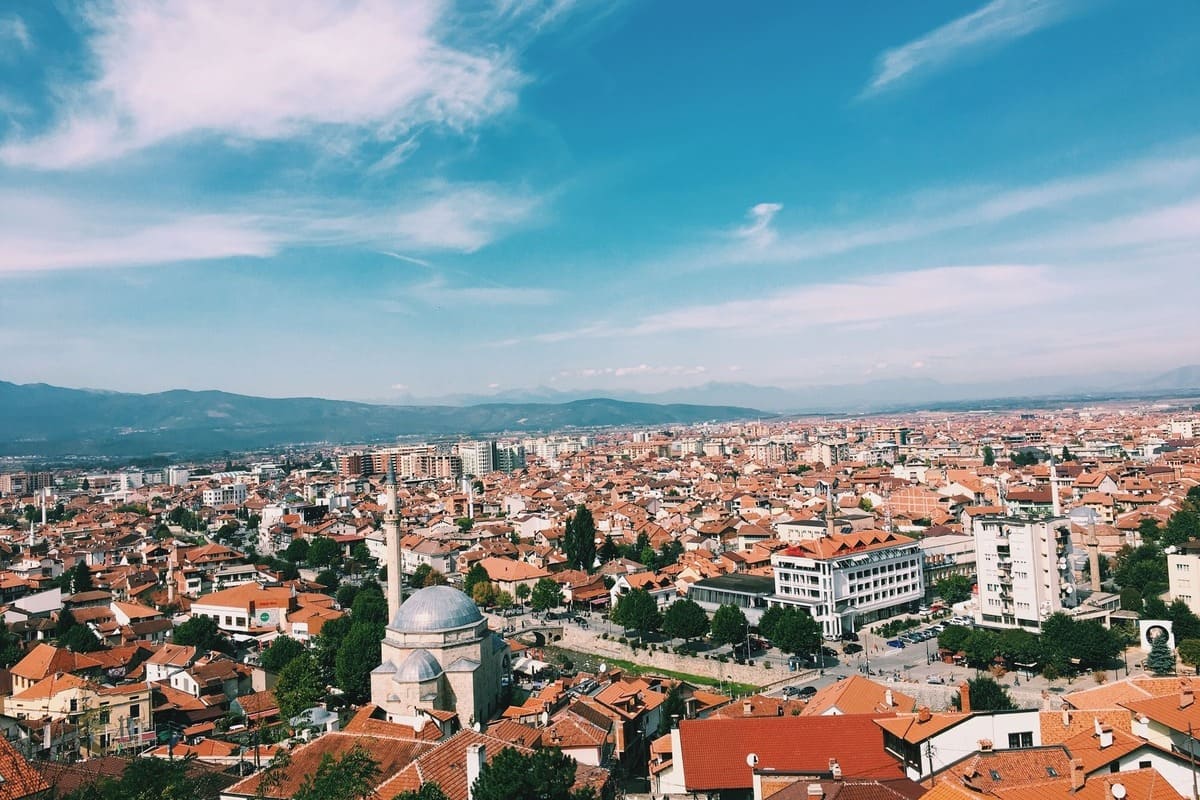
The proud self-proclaimed youngest capital in Europewhere the average age is just 26.6, Pristina feels less like a standard European open-air museum full of Chinese pensioners and German grandmothers wearing goggles, and more like a never-ending uni party.
It’s not necessarily a place you go for sightseeing.
Much of the city is actually quite rough, with the Latin American style wires hanging over the potholed streets, commie-era apartment buildings and less than graceful modernist concrete blobs – seriously, what even is that National Library? – but are the vibrations unparalleled.
Whether you’re café hopping along the pedestrian-friendly Mother Teresa Boulevard, which looks a bit like the smaller, more laid-back sister of Tirana’s bustling Blloku district, or banging your head and losing your shh at the annual edition of Sunny Hill Festival, the Dua Lipa-backed music festival that draws crowds from all over the Balkans every August, Pristina will sneak its way into your heart.
Kosovo is ready for postcards Outside The capital
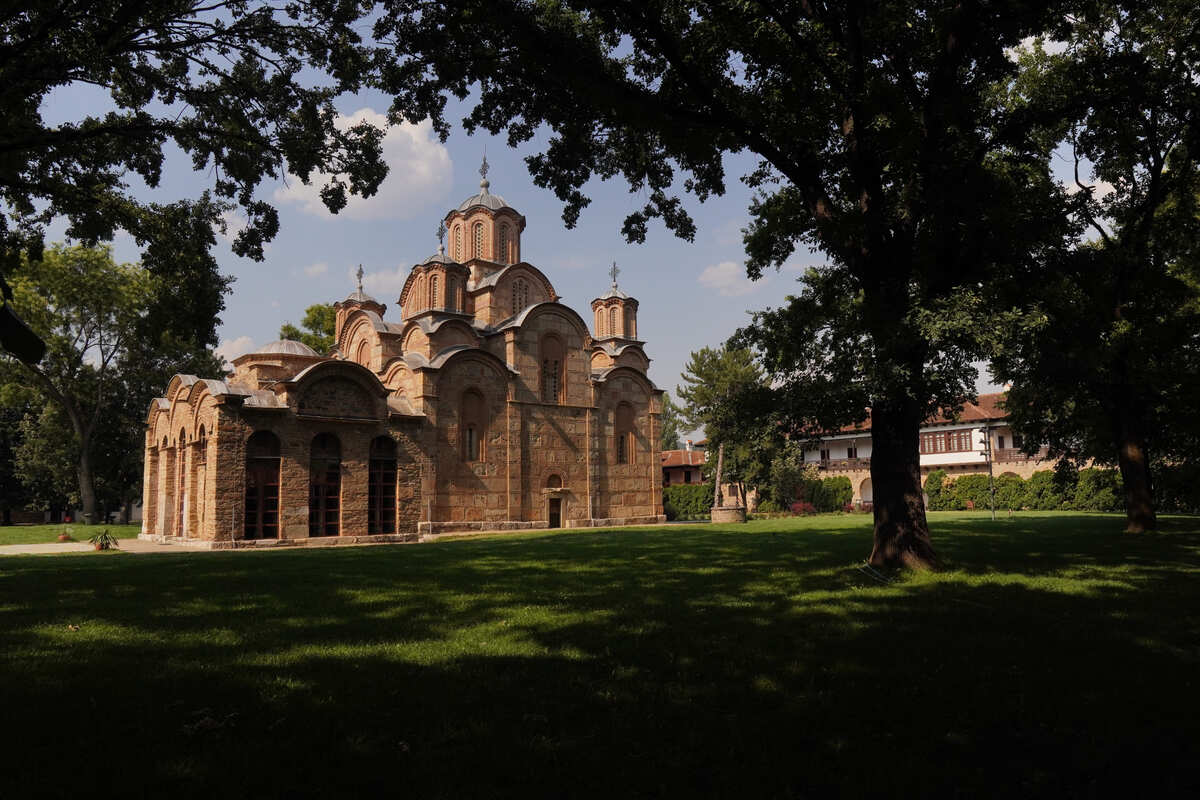
For those postcard-like views and Old World aesthetics, though, you’ll want to take a little drive outside of the city. Luckily for you, Kosovo is such a small country, somewhere between the US states of Delaware and Connecticut; the longest distance you travel is only a few hours.
Just 8 kilometers southeast of Pristina, Gračanica Monastery is a UNESCO World Heritage Site, built in the early 1300s by a Serbian king, famous for its vibrant Byzantine frescoes and serene, almost pristine atmosphere.
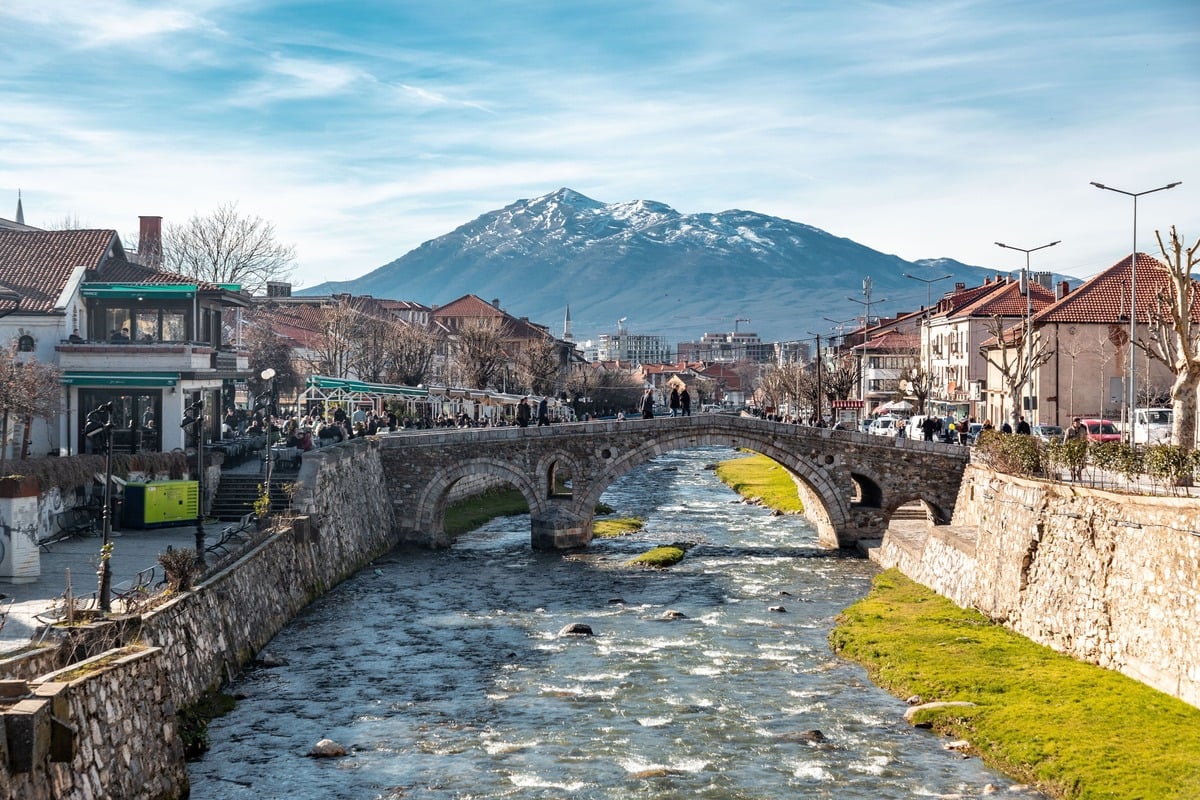
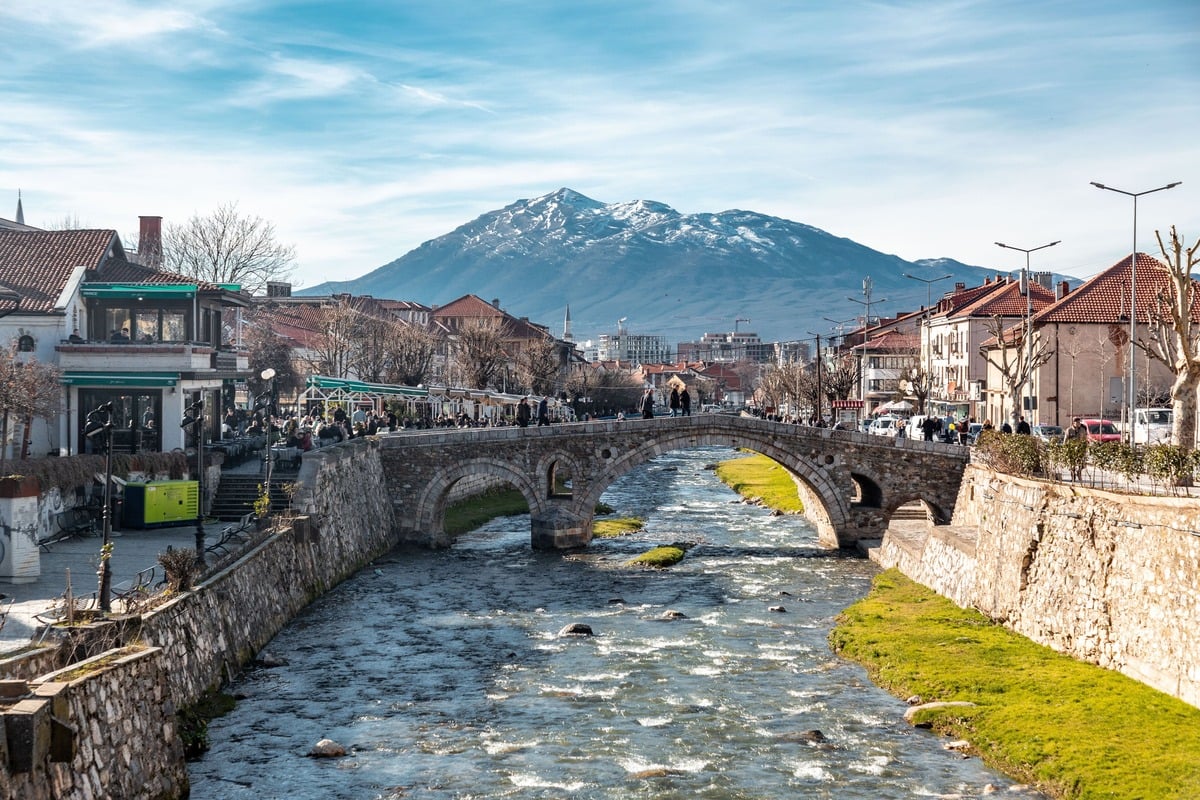
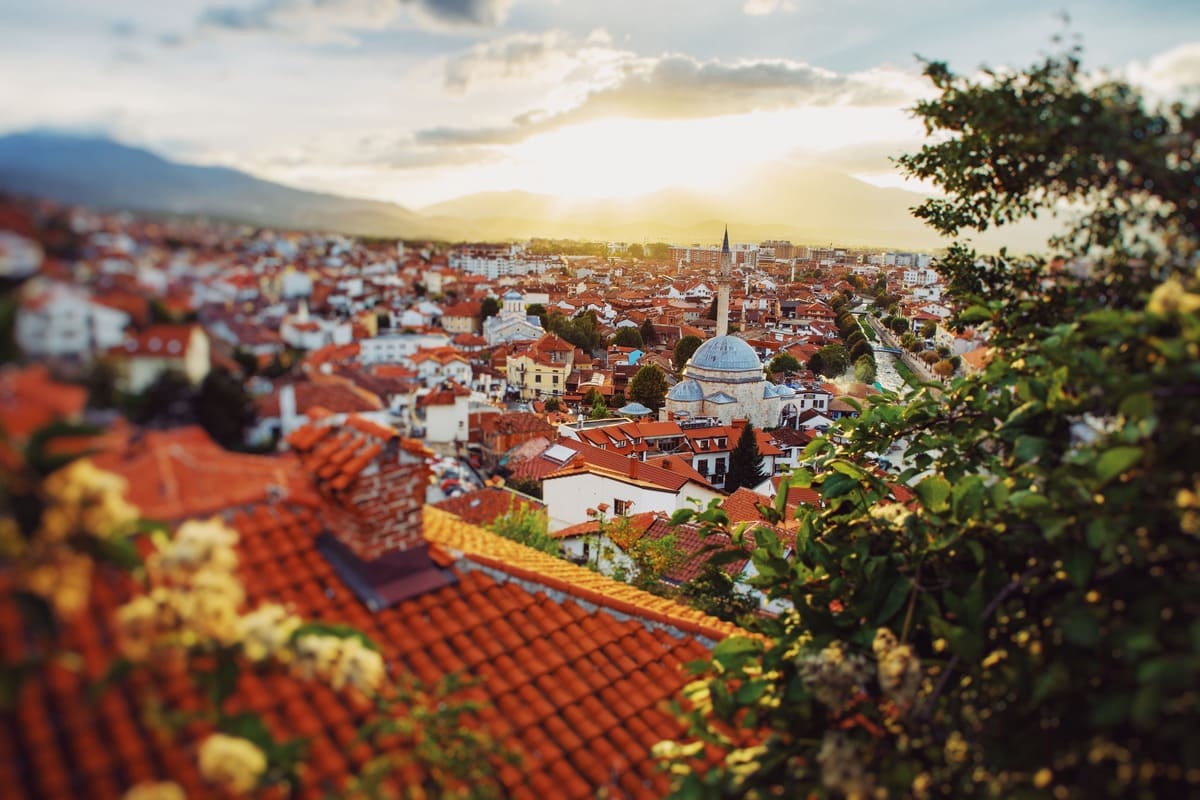
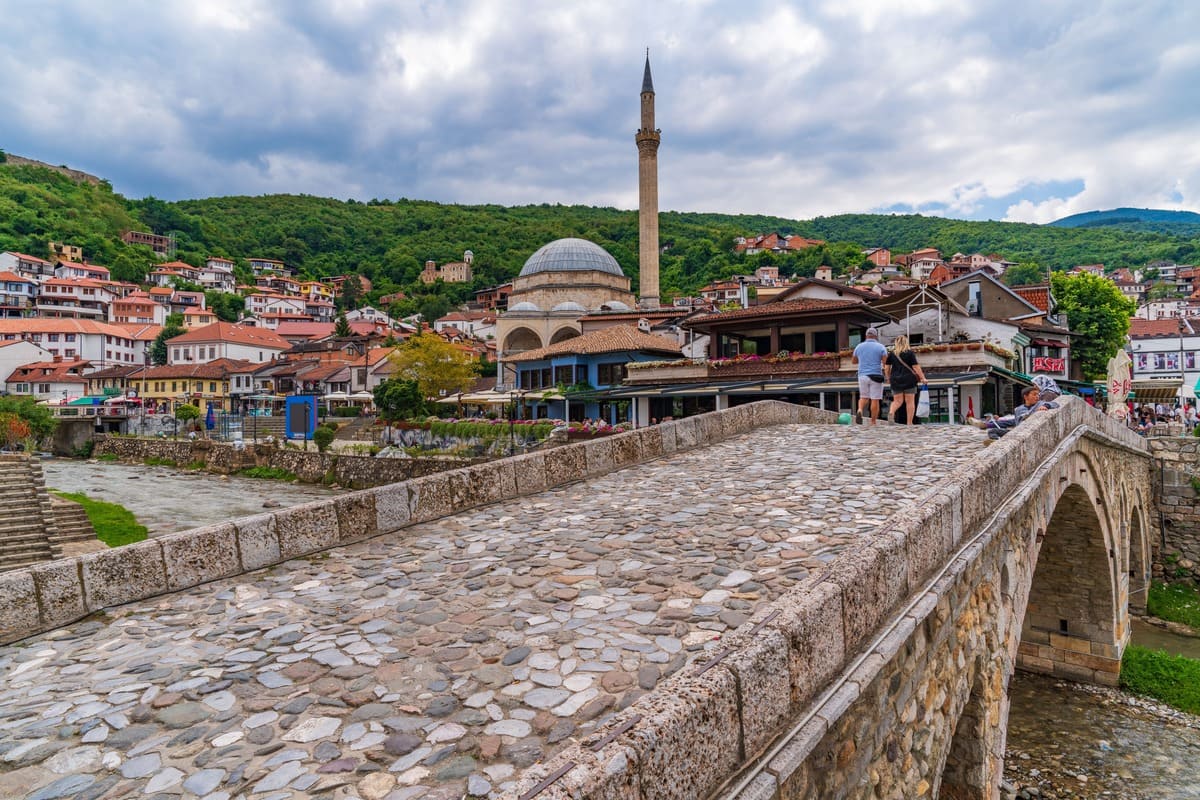
A longer ride of 1h15, Prizren is perhaps one of the cutest riverside towns I’ve been to in the Balkans, along with Mostar in Bosnia and Herzegovina.
The whole place is just an Ottoman fever dream, with minarets reflecting on the water – Kosovo is predominantly Muslim, by the way, in an informal, non-performative way –cobbled streets wind past teahouses and covered balconiesand to top it all off, a monumental fortress on a hill.
In the west, a longer drive of 1h40 from the capital, Peja is Kosovo’s gateway to the mountains and perhaps its most underrated city, home to the UNESCO-listed Patriarchate of Peć, a striking red-colored monastery complex that remains the spiritual and emotional heart of the local Serbian community.
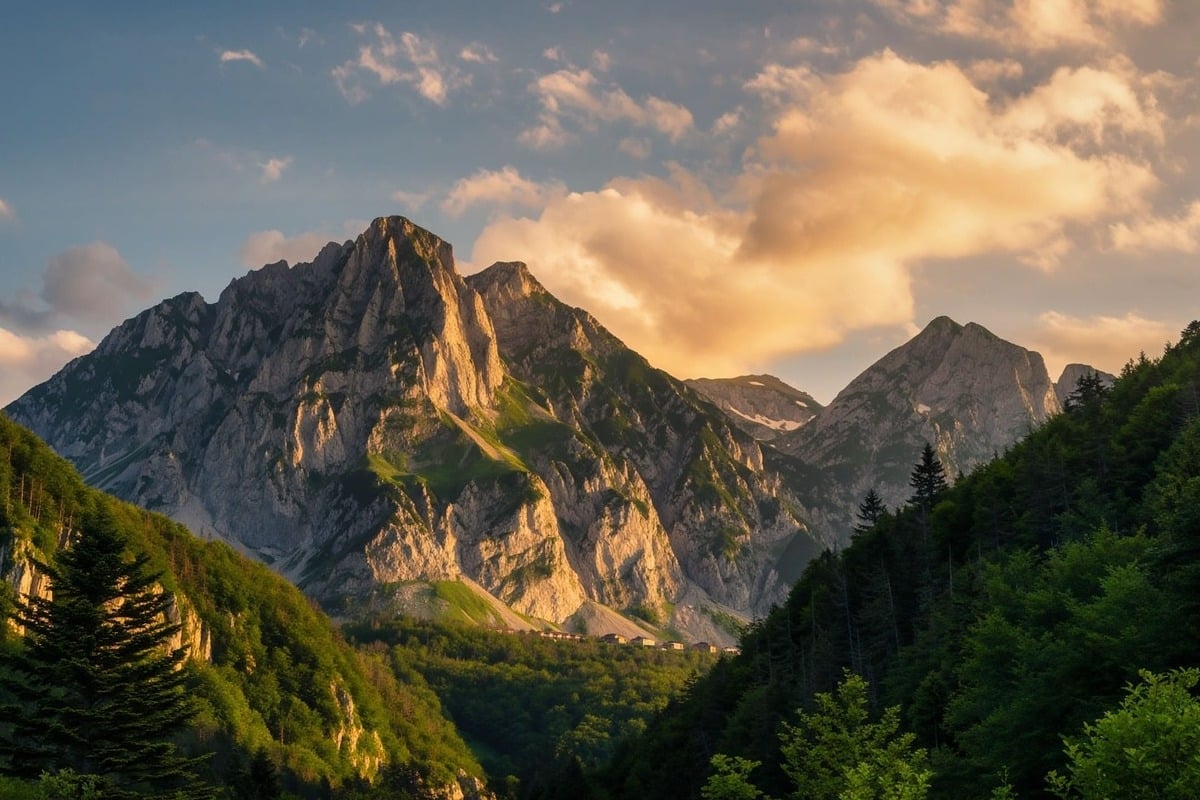
Besides, the drive there alone is worth the trip, with green hills and mountain views rising on both sides as you head further west, essentially heading straight into the Accursed Mountains.
These mark the border with Albania, and it is a dramatic Switzerland-level mountain range, crisscrossed by canyons, such as the Rugova Gorge, and dotted with crystal-clear lakes and hidden glacial pools.
This is a no-diet zone
Remember the food I mentioned earlier?
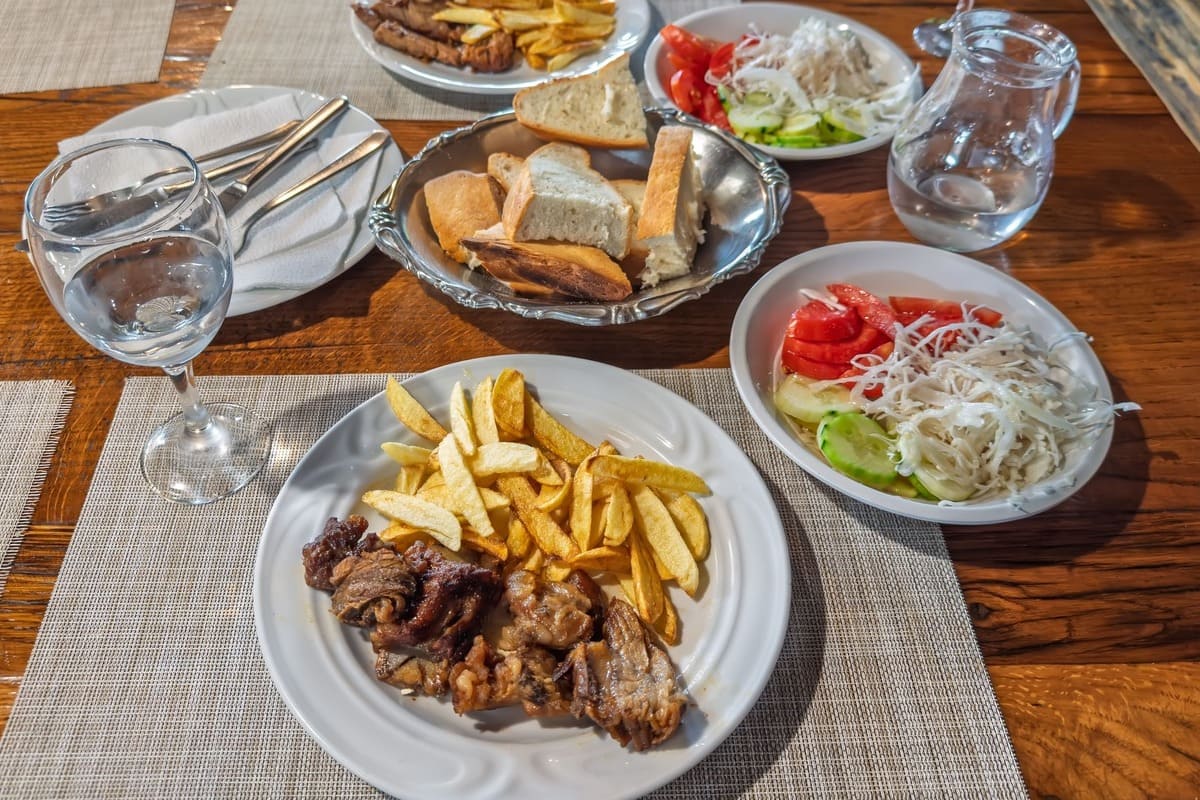
It’s about half the fun of even going to Kosovo, so here they are 3 solid, cheap Pristina picks that will stick in your taste and will not become a single dent within your budget:
What they serve: grilled beans (qebapa, lamb, steaks), traditional Kosovo tavern dishes, salads
Average price: $12 – $20 per person
What they serve: classic Balkan dishes with a modern, creative twist, seasonal local dishes, burgers
Average price: $10 – $18 per person
What they serve: more qebapa and grilled meat dishes, and simple traditional quick meals
Average price: $5-10 per person
I know you probably scrolled to the prices on this page in a bit of disbelief.
Once again, Kosovo is one of Europe’s cheapest destinations across the pond, least easy on the wallet, and believe me when I say, even if you’re Pay $60 and under for a mid-range guesthouse in central Pristina it will probably feel more spacious and comfortable than a $150-a-night matchbox room in Zone 6 London.
For $150 and up, by the way, you’re probably looking at an ultra-luxurious boutique-style hotel with a rooftop view.
To be honest, I would trade a weekend in the overhyped Western European capitals for the up-and-coming Pristina any day.
That said, before you head to Europe this summer, whether Pristina or London, make sure you verify the entry requirements page beforehand or you risk being denied boarding at the airport. No joke. A lot has changed since your post-pandemic Eurosummer 2022.