


Are you tired of polarizing politics and the high cost of living at home? You’re not alone: This year, a growing number of Americans are considering a move abroad, and of course Europe is where they have their sights set.
The continent of fairytale castles, cultural riches and a slower pace of life has never sounded so appealing to the odd American citizen looking to escape the daily grind.
It is therefore no surprise that digital nomads from the United States are flocking to EU countries that have opened their doors to them, be it through Digital Nomad Visas or Citizenship by Investment programs:

Where are Americans going?
There are a number of European countries that make it easier for Americans to emigrate and set up a permanent base across the pond.
Notable examples are Georgia and Albania, where Americans are known to be allowed to stay an uninterrupted full year as visitors. However, for most countries, emigrating is not that simple: there are visa requirements and financial thresholds to meet, and applications can take some time.
When we talk about the coveted European Union, of which neither Georgia nor Albania is a member, the migration routes start to look a bit trickier… but not exactly impossible.
According to the latter Expats ranking, which compiled the country preferences of approximately 13,000 respondents, Americans have 4 EU hotspots on their radar, and perhaps not surprisingly, they are all currently welcoming qualified expats with open arms:


Greece
Ranked fourth on Expatsi’s list, Greece is a dream for nomads who love island hopping, delving into ancient history and craving a relaxing Mediterranean lifestyle.
The capital and largest city, Athens, is a promising expat hub known for its affordability, youthful energy and abundance of outdoor cafes, where you are welcome to whip out your laptop while enjoying your morning cappuccino. Freddo.
Nomads have also gathered in places like Thessaloniki, Greece’s second largest urban center, and Heraklion, the capital of Crete, and a quieter alternative to the cities on the mainland. Overall, the cost of living is considerably lower than in many Western European hubs.
According to Numbeorent in Athens is average 58.3% cheaper than in Paris, and you can eat a large meal at a downtown restaurant for about $17.34.
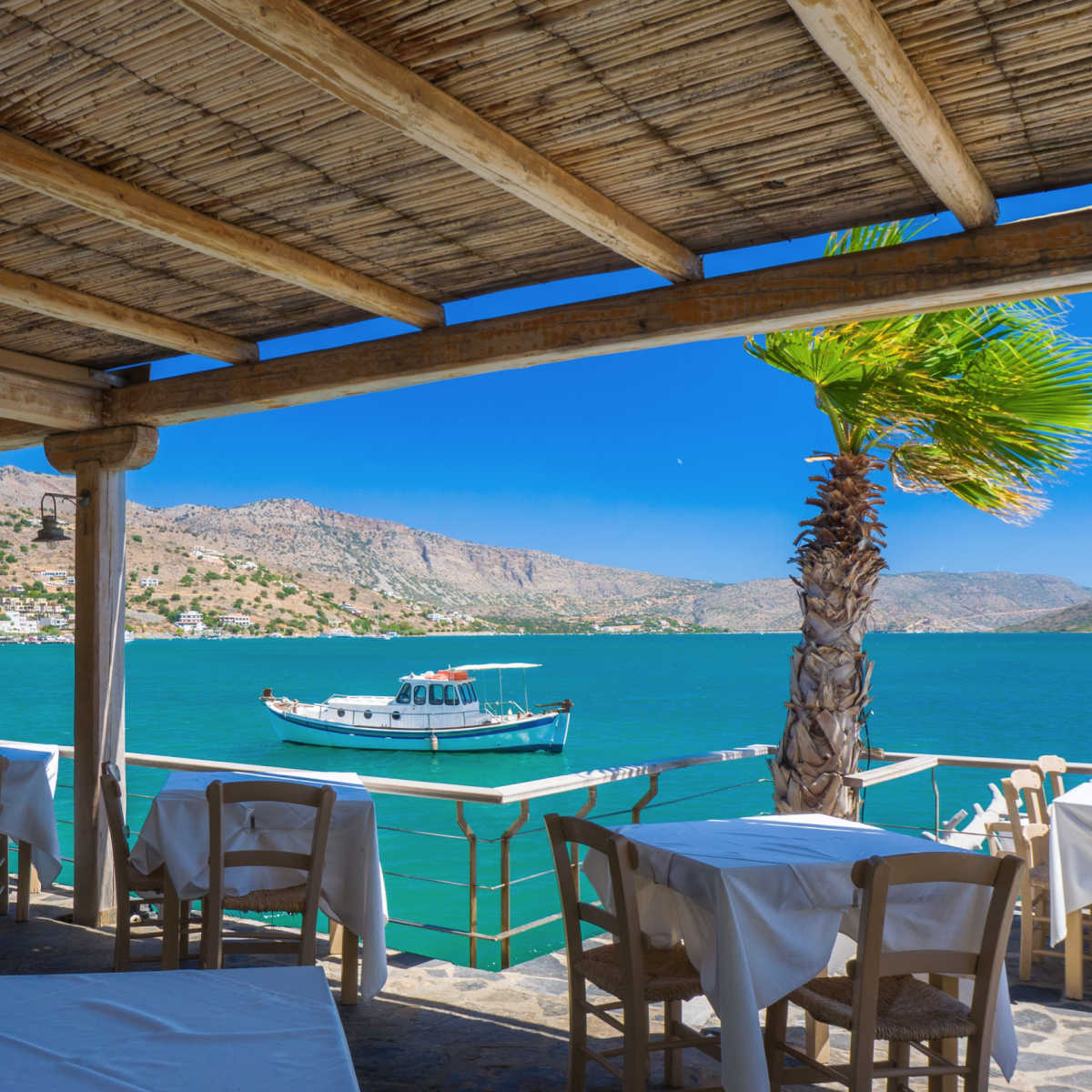
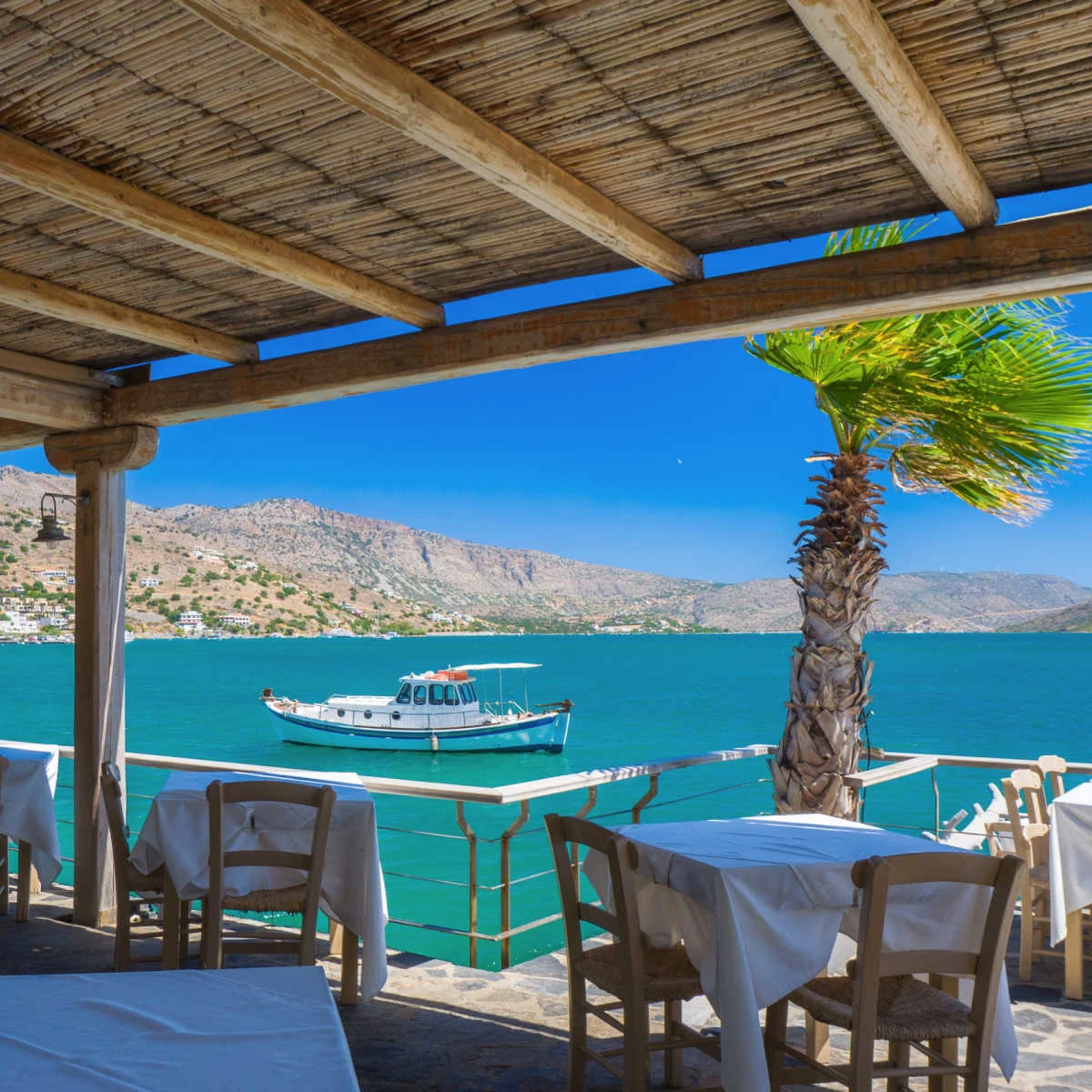
How to qualify for the Greek Digital Nomad Visa
- Minimum monthly income: €3,500 after tax. If you bring a spouse, the requirement increases to $4,200. For each additional dependent you must add €525 per month
- Proof of remote working: you must be able to prove that you work remotely, or that you have signed freelance contracts with companies outside Greece
- Health insurance: Taking out health insurance is mandatory and must be valid for the entire planned stay in Greece
- Criminal record: You must not have been convicted of serious crimes in your home country and you may be asked to provide a clean criminal record
- Application: documents must be submitted to a Greek consulate or embassy in your home country prior to the planned move
- Validity period: 2 years, renewable as long as you continue to meet initial requirements


Italy
At number three we have the darling of pasta and wine-loving Americans. The delicious food and age-old allure are good reasons to move to Italy, but what is the country like? Real excels in its abundance beautiful, culturally rich cities:
From the timeless streets of Rome, to the Renaissance palaces of Florence, to the winding canals of Venice, your new home could look like a literal open-air museum – and the best part is, you don’t have to break the bank to soak up all this Old World charm.
In Rome, renting a one-bedroom apartment outside the city center is put you back Averages $912.76 per month, although you can get it much cheaper in Catania, a sprawling metropolis in southern Sicily, where rooms cost $343.75 per month.
Prices vary enormously throughout Italy, and usually the more developed north (and Rome) is a more expensive destination the south is generally cheaper to live inespecially Calabria.


How to qualify for the Italian Digital Nomad Visa
- Minimum annual income: €28,000
- Proof of remote working: you must prove that you are a freelancer, or an employee of a non-Italian company with at least six months of remote work experience, or a university degree
- Health insurance: required with a minimum coverage of €30,000
- Criminal record: a clean file is mandatory
- Application: all documentation must be sent to the Italian consulate or embassy in your current country of residence
- Validity period: Initially 1 year, renewable annually


Spain
Spain, the second highest European country on Expatsi’s list, lures hundreds of thousands of American expats with its pleasant weather. affordable housingand easy integration.
When it comes to city options, some of the most obvious choices are Madrid, the elegant Spanish capital Barcelona, best known for its innovative Gaudí architecture and seaside atmosphere, and up-and-coming Seville, recently voted the best city in Europe.
More recently, other fast-emerging nomadic centers in Spain include Palma de Mallorca, a cathedral city on the paradise island of the same name, Tenerife, a lively seaside resort in the Canary Islands, and even Bilbao, a fast-growing metropolis in the much overlooked north of Spain.
The cost of living in Spain has risen, like virtually everywhere else, but you can still live comfortably on less than $3,500 a month in more than 10 locations, as seen on Nomad list.


How to qualify for the Spanish Digital Nomad Visa
- Minimum monthly income: €2,800 per month
- Proof of remote working: freelancers or remote workers working for non-Spanish companies are eligible for the Spanish DNV (only up to 20% of the company’s profits can come from Spanish customers). In addition, you must have at least 3 years of professional experience in your field, or a university degree
- Health insurance: Private insurance with valid coverage in Spain is non-negotiable
- Criminal record: Persons who have been convicted of serious crimes in the past and who do not have a clean criminal record are not eligible
- Application: As with other DNVs, applications are submitted through Spanish consulates
- Validity period: Initially 1 year, extendable to 5 years


Portugal
Finish #1 in the rankings, Portugal was the best match for Americans who did the ‘Expatsi Test’, which matches users to countries based on their travel preferences, and we mean, can you blame them?
We would travel halfway around the world for Porto wine only.
All jokes aside, Lisbon has established itself as a European magnet for digital nomads, and honestly, what’s not to like? It has the sunny weather, the wonderful pasteis de natathe postcard-ready streets and even cute yellow vintage trams!
Porto, in the north of Portugal, is not there yet another strong competitor for nomads in Portugal: imagine a picturesque riverbank, a well-preserved historic center dotted with baroque churches and an abundance of family restaurants serving salty Portuguese bacalhau the traditional way.
As far as budget goes, a month in most Portuguese cities will cost you less than $3,000, based on Nomad list estimateswith the exception of Lisbon, where the monthly average expenditure is $3,827.


How to qualify for Portugal’s digital nomad visa
- Minimum monthly income: €3,480 per month (four times the national average)
- Proof of remote working: External workers and non-European employees of foreign companies not based in Portugal can apply
- Health insurance: Insurance valid for the entire planned stay in Portugal is required
- Criminal record: The Portuguese authorities expect to see evidence of a clean criminal record at home
- Application: must be submitted through a Portuguese consulate or embassy in your home country or country of residence
- Validity period: Temporary stay of 1 year, extendable by additional years if the conditions for obtaining the visa remain met

Subscribe to our latest posts
Enter your email address to subscribe to the latest Travel Off Path breaking travel news, delivered straight to your inbox.


