

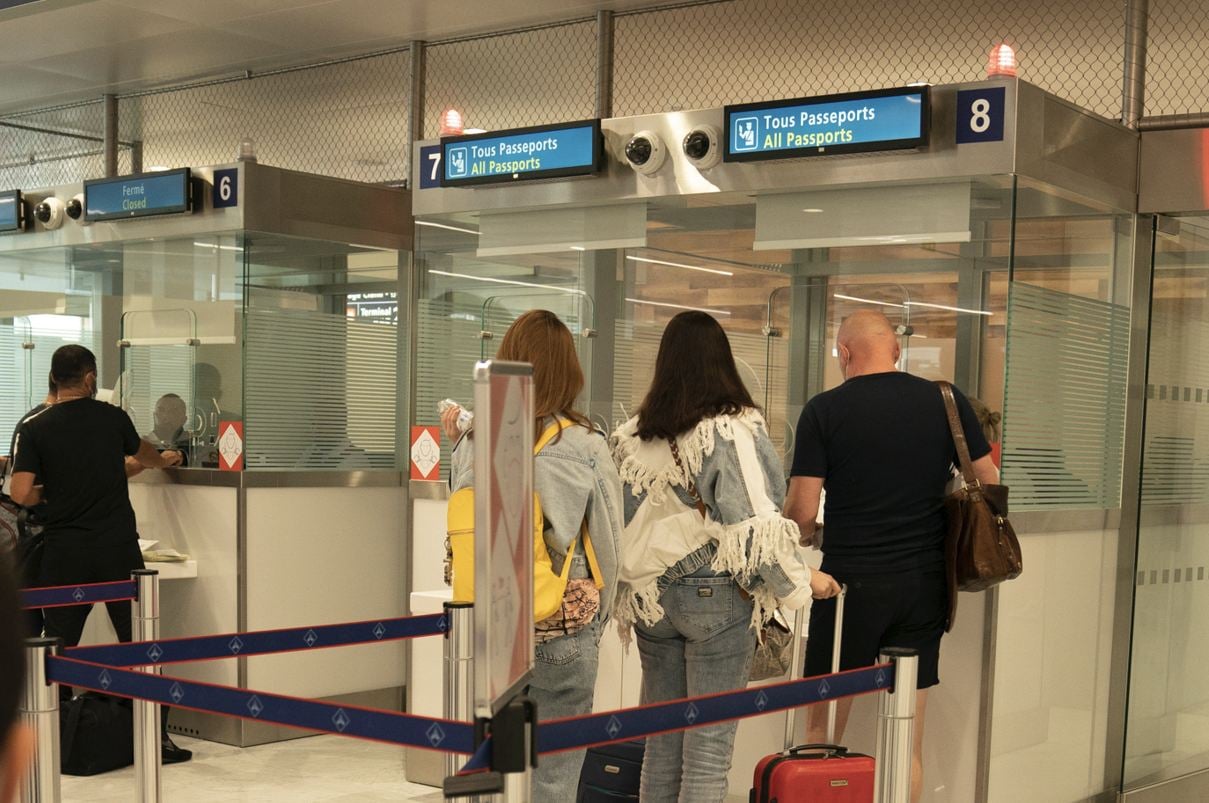
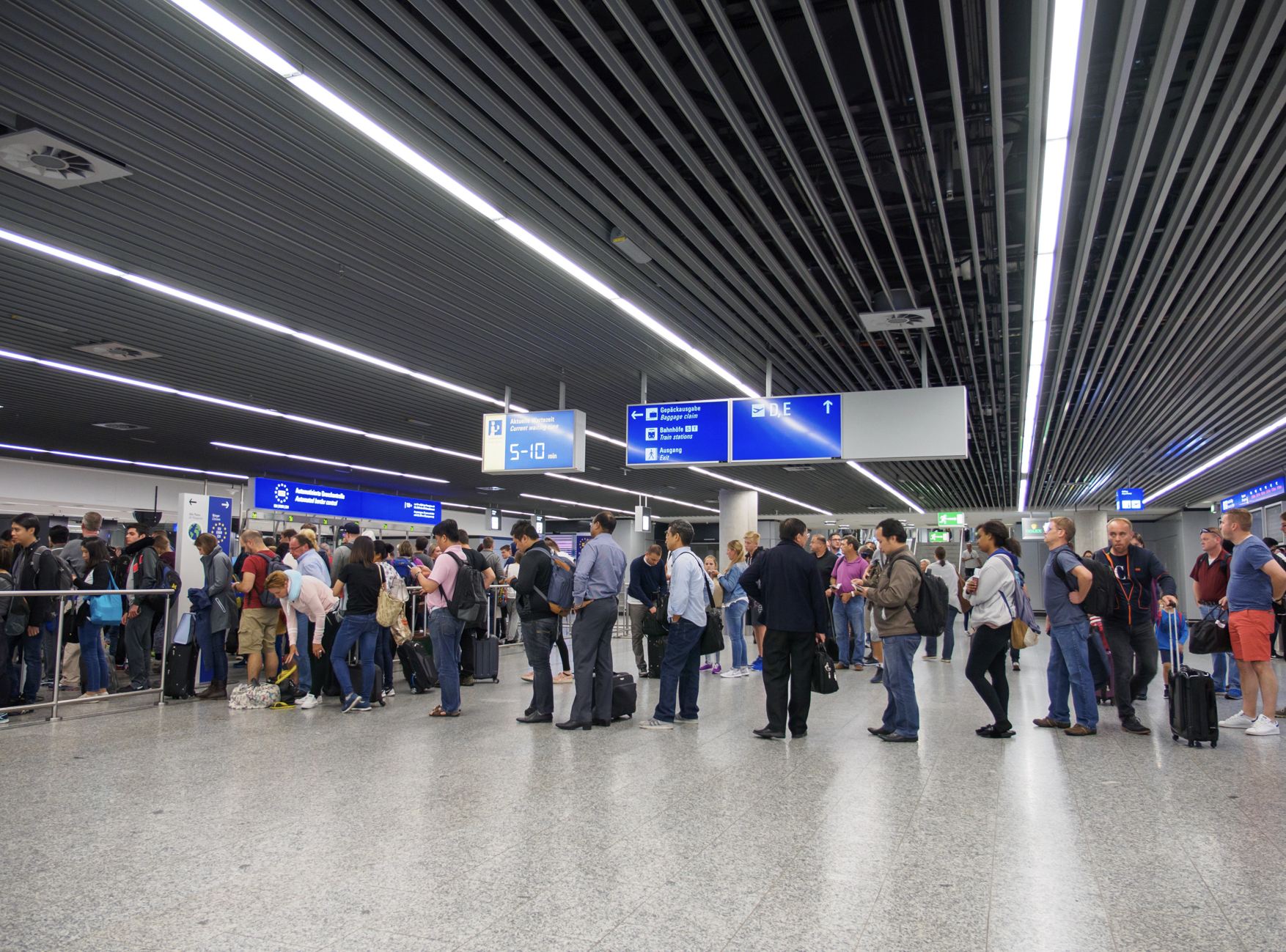
You’ve booked the flights, dreamed of the culture and are counting down the days until your European getaway. But a new, high-tech security system being rolled out at major airports is turning that dream arrival into long lines and delays for Americans landing at some European destinations. While some Americans breeze through the new system in minutes, others report confusion and long wait times. It will all depend where and when you land.
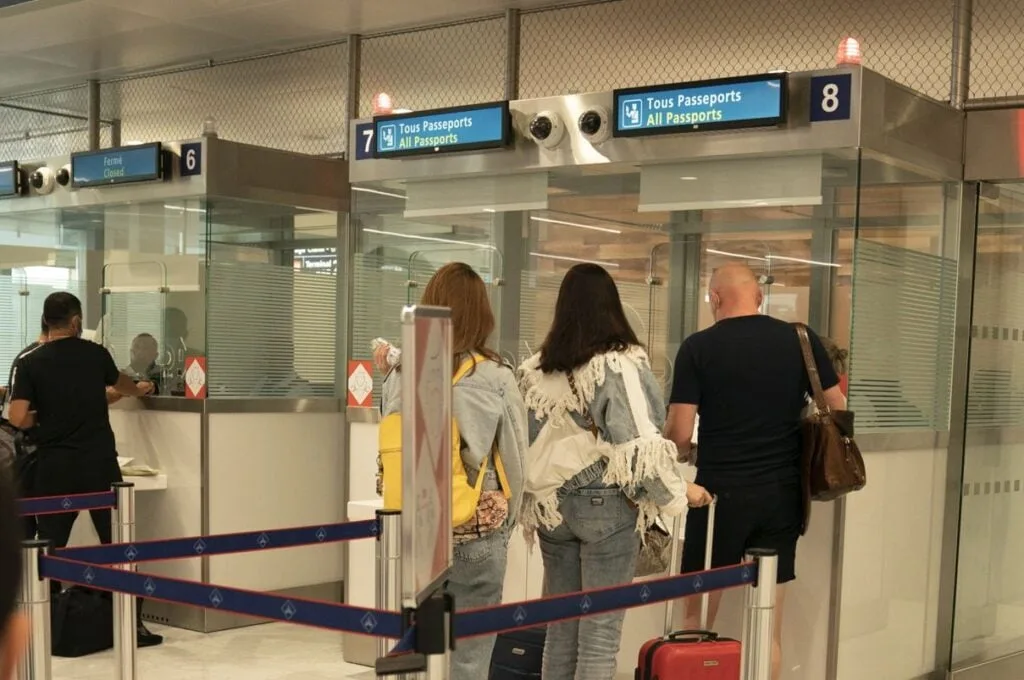
Hereby Travel off the pathwe’re about giving you the real, on-the-ground information you need to travel smarter. We’ve been following a flurry of reports from travelers and official sources, and the story is clear: The confusing, country-by-country launch of Europe’s new biometric border rules is causing delays, with some Americans reporting wait times. to three o’clock just to get through immigration. Below we discuss the airports with the longest delays and what to expect from your flight.
Here’s what you need to know before you fly.
First day of the new biometric screening for non-EU nationals. The EU queue at Brussels airport is virtually non-existent by comparison pic.twitter.com/vfN2zDOA1s
— Joe Lynam (@JoeBLynam) October 13, 2025
What exactly happens at the border?
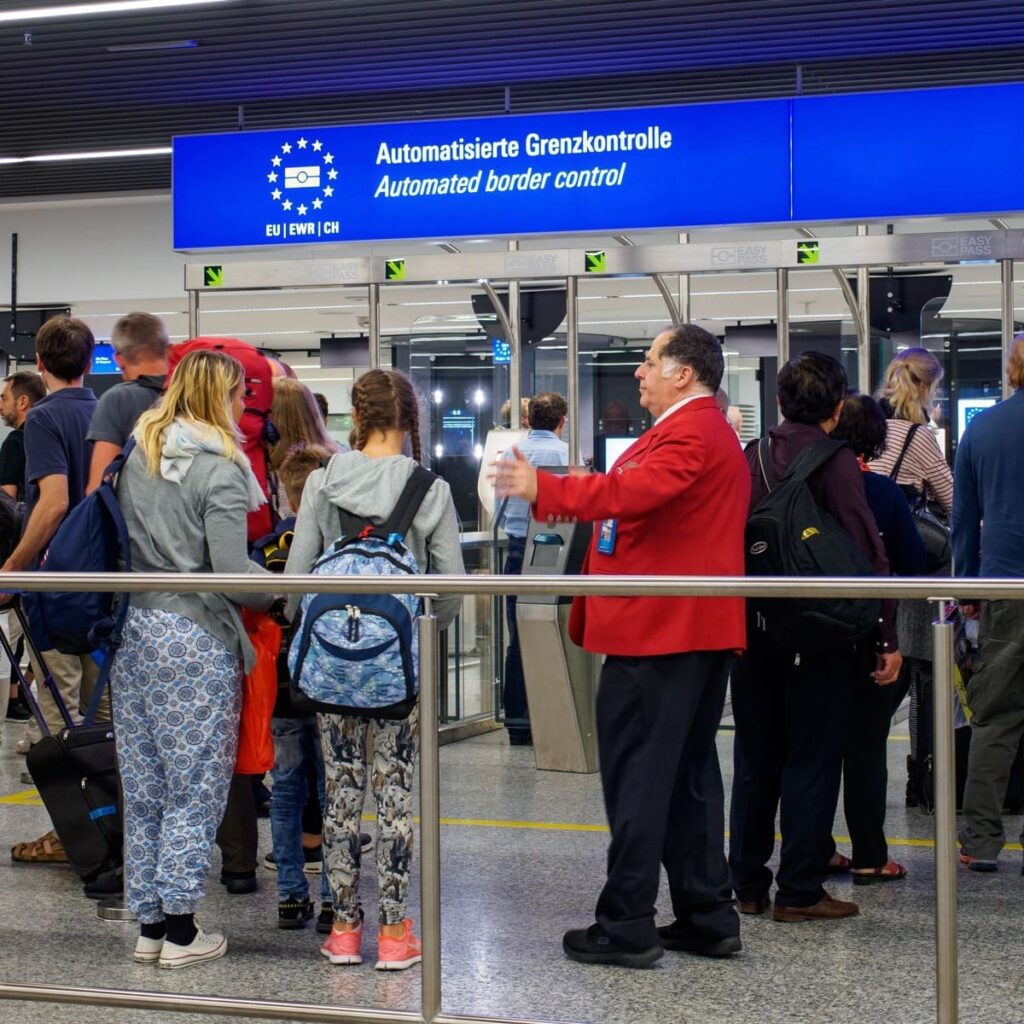
This is all part of the newness of the EU Entry/Exit System (EES)the high-tech process that replaces traditional passport stamps. Instead of a border officer stamping your passport, travelers from outside the EU must now use a self-service kiosk to provide their biometric data: specifically four fingerprints and a facial photo.
While the aim is to speed things up in the long term, the initial rollout at several key airports has been a disaster. A perfect storm of it technical malfunctionsinsufficient staff to help confused passengers and a lack of clear instructions create huge bottlenecks.
Airports to keep an eye on
Based on a consensus of recent traveler reports and official airport statements, these are the current hotspots for possible delays. Remember that there are many factors that can affect immigration wait times, including the time you land and staffing levels.
- Brussels, Belgium (BRU): This is the epicenter so far. The airport has publicly acknowledged that there are “challenges” with the new system, and travelers consistently report immigration queues of up to three hourscausing missed connections and immense frustration.
- Prague, Czech Republic (PRG) : The Prague Airport debut of the EU’s new biometric EES system was marked by chaos as non-functioning self-service kiosks forced all non-EU travelers to be processed manually, leading to immigration queues up to 90 minutes. Travelers may now face longer than normal waits and are officially advised to arrive at the airport at least three hours before departure to be safe.
- Rome, Italy (FCO): Although the situation in Rome is not the same crisis as in Brussels, travelers should still be prepared for a new and possibly slower arrival process. The EES system is now operational at Fiumicino Airport, and while widespread delays of several hours have not been consistently confirmed by official sources, a significant number of recent traveler reports on the ground still indicate longer than usual queues and confusion at the new kiosks. The bottom line: Your input can be smooth, or it can be slow, so setting aside extra time is a smart move.
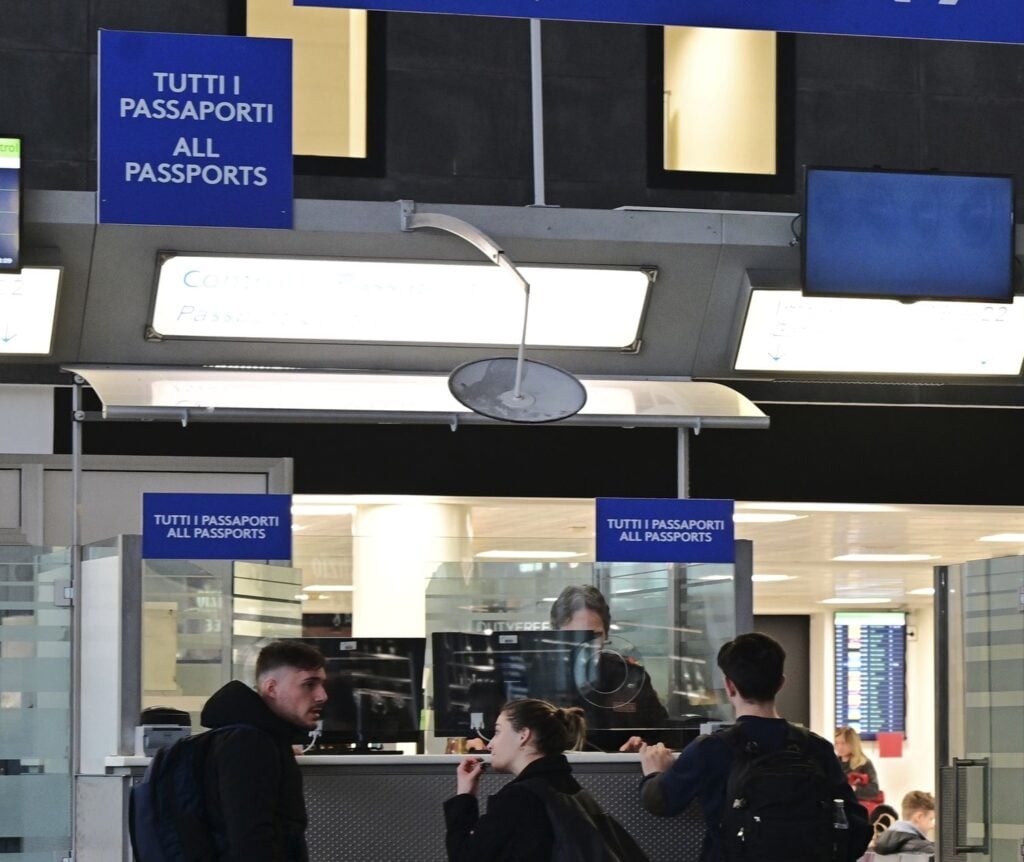
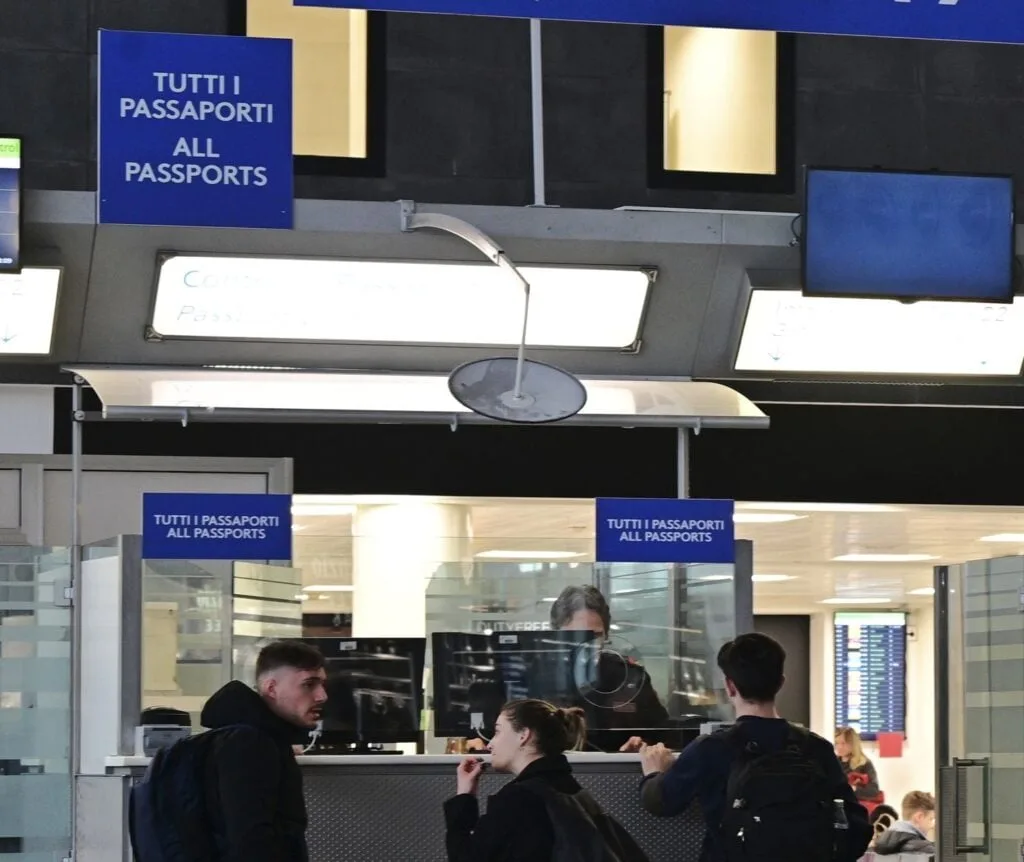
- Spain (MAD & BCN): The situation at Spain’s busiest airports is a clear sign of the changes to come, but widespread chaos has not yet arrived. Official announcements and traveler reports confirm that Spain is carrying out a very gradual and cautious roll-out of the EES. This means that although you will see the new biometric kiosks in Madrid and Barcelona, they will be implemented in phases. For now, widespread, persistently long queues are not a major problem, but travelers should be aware that the system is new and the situation is evolving.
- Paris, France (CDG): The rollout in Paris is causing some confusion. Charles de Gaulle Airport uses a ‘hybrid system’, where some passengers are directed to the new EES kiosks, while others still go to the traditional passport booths. While this doesn’t yet cause the kind of severe multi-hour delays seen elsewhere, a consensus from recent traveler reports indicates that the confusing process can create unpredictable lines. The conclusion for travelers is that the situation is changeable; While you may be lucky with quick access, be prepared for a slower and more disorganized process than you’re used to.


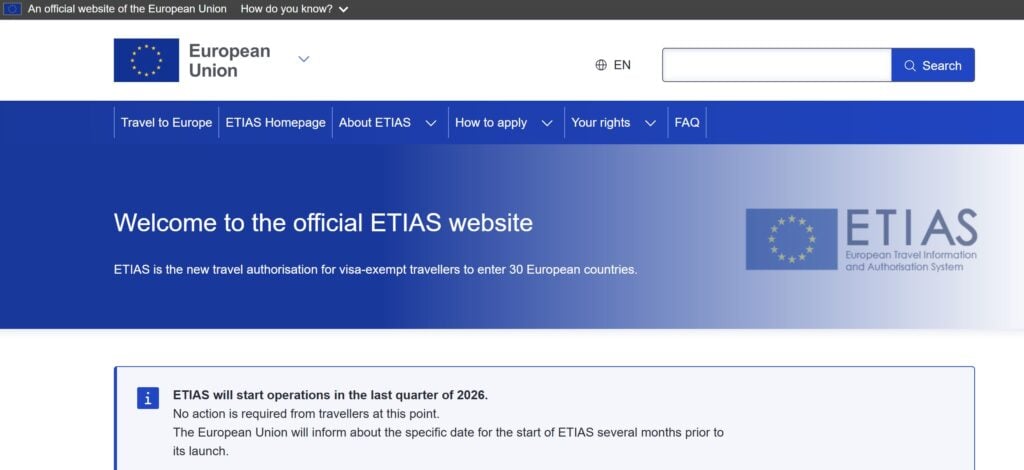
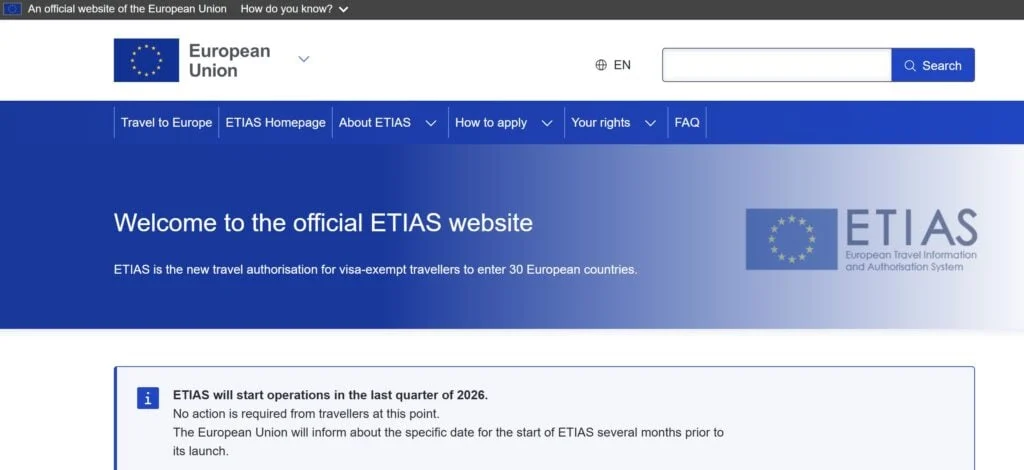
Wait a minute, is this the same as ETIAS?
This is a crucial point of confusion, so let’s keep it simple: No, this is completely separate from the ETIAS.
What this means for your trip this fall and winter
If you’re flying to Europe in the coming months, be prepared for a new and potentially much slower arrival experience.
The smart traveler’s EES survival guide
The new biometric rules in Europe are causing confusion. Click below for a five-step guide to help you navigate the new system like a pro.
Step 1 of 5
👆Prepare for biometrics
When you first access, you will use a kiosk to dispense four fingerprints and a face photo. This replaces the old passport stamp.
Step 2 of 5
⏱️Expect delays and be patient
The rollout is causing long queues, especially in… Brussels. Patient arrive and prepared for a potentially long wait.
Step 3 of 5
✈️The new 3 hour connection rule
A short stopover is now a big risk. The smart move is to at least allow it three hours for every connection at an airport in the Schengen area.
Step 4 of 5
🛂Also plan your departure
The EES system also applies when you to leave the Schengen area. This means that you have to be at the airport extra early for your flight home.
Step 5 of 5
💡The “First time is the slowest” Pro-Tip
Your biometric data is stored for three years. This means that your first entry will be the slowest and future trips should be much faster.
You are now an EES professional!
You’ll have all the insider tips to navigate Europe’s new border rules with confidence. Happy travels!
- Connecting flights are risky: If your itinerary has a short connection, you run a high risk of missing your next flight. We strongly recommend that you at least allow this three o’clock for every connection in a Schengen zone country until these issues are resolved.
- Be prepared for biometrics: Please note that you will need to provide your fingerprints and a photo. It’s the quickest way to have your passport ready and follow the kiosk’s instructions.
- This is the new normal (for now): This is not a one-day problem. As more countries activate their systems during this confusing, phased rollout, these delays are likely to become more common before they get better.
Navigating the world of travel rules can be a headache, but it doesn’t have to be that way. To stay informed about these and other changes, our best tool is 1 minute trip checkgiving you the real-time admission requirements for every destination.
Subscribe to our latest posts
Enter your email address to subscribe to the latest Travel Off Path breaking travel news, delivered straight to your inbox.


