

The ongoing federal government shutdown, now in its third week, has begun to disrupt the U.S. travel industry, increasing concerns about flight reliability, federal workforces and the upcoming holiday season.
Major airports, including Dallas, Chicago, Atlanta and Newark, are reporting increasing delays Federal Aviation Administration (FAA) faces a shortage of air traffic controllers. Many inspectors continue to work without pay, a situation that National Association of Air Traffic Controllers (NATCA) warns that it is unsustainable. The union says fatigue and financial stress are increasing among essential workers. Reuters reports that the tension has already led to measurable delays in operations at several major hubs.
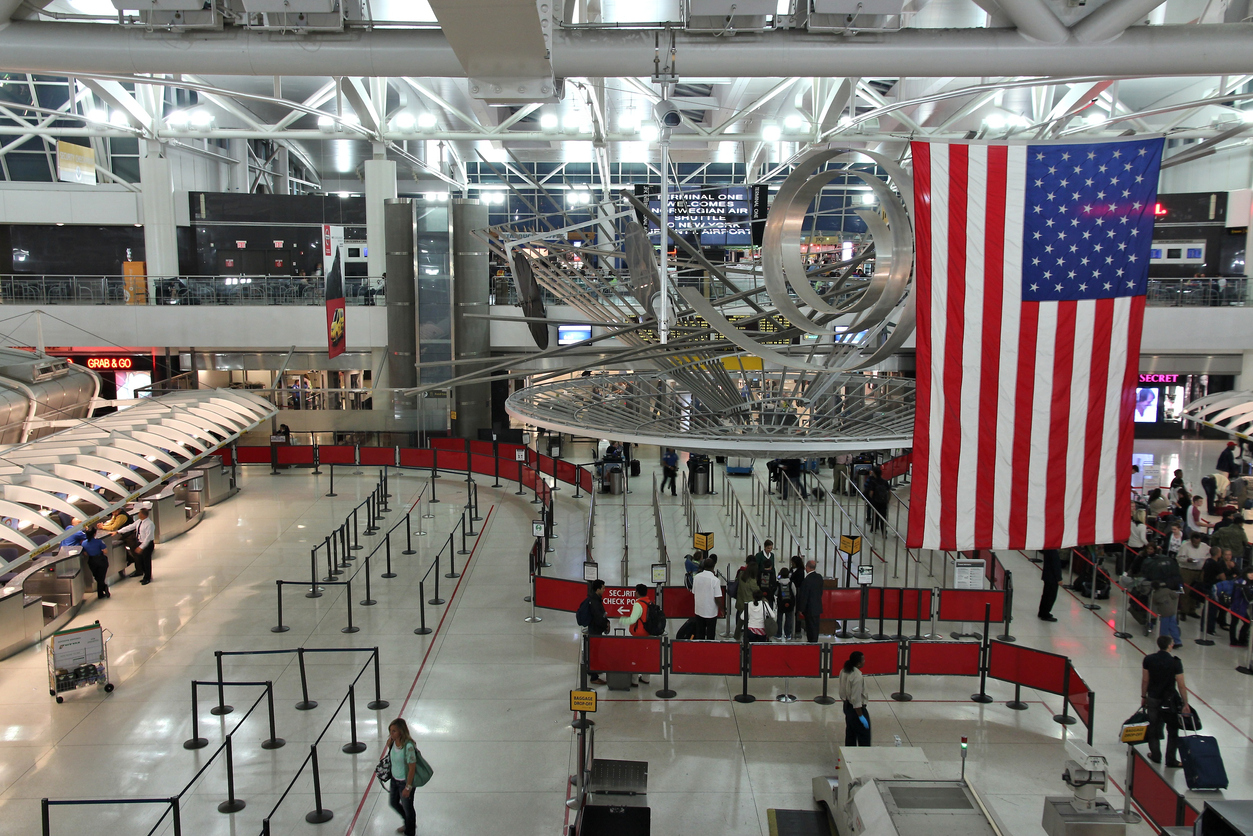
The Transportation Security Administration (TSA) faces similar challenges. Security personnel are required to work unpaid hours, resulting in longer lines and occasional checkpoint closures. Previous shutdowns have shown that extended periods without pay can lead to absenteeism, which can increase airport congestion. Business Insider notes that travelers at major hubs like Atlanta and Los Angeles are already reporting longer wait times.
According to the US Travel Association, the current shutdown could cost the travel and tourism industry approximately $1 billion per week in lost economic activity. The figure reflects the cumulative effect of canceled business trips, postponed vacations and weakened consumer confidence. American travel company Officials have urged lawmakers to find a solution quickly, warning that the damage will worsen the longer the shutdown continues.
Outside the major cities, smaller airports and rural destinations are also at risk. The US Department of Transportation has warned that funding for the Essential Air Service (EAS) program – which supports flights to remote communities – may soon expire. A suspension could leave several cities without regular air connections. Analysts at the National Association of Counties say these disruptions could have an outsized economic impact on rural areas that rely on tourism and connectivity.
National parks and federally managed attractions are also affected. Many remain open, but with reduced staff, limited visitor services and minimal maintenance. Travelers to destinations such as Yosemite, Zion or Yellowstone are advised to verify facility operation before departure. CN traveler reports that some visitors have already experienced uncollected waste and closed toilets due to staff shortages.
Flexibility remains essential for travelers. Airlines will continue to operate, but delays and cancellations could increase as staff shortages worsen. Travel experts recommend checking flight status regularly, arriving early before departure and purchasing travel insurance if possible.
After a period of steady recovery from the pandemic, the travel industry is now facing renewed uncertainty. As the holiday season approaches, the longer the shutdown lasts, the greater the risk of widespread disruption – and the harder it may be to rebuild traveler confidence once the crisis abates.


