

Share the article
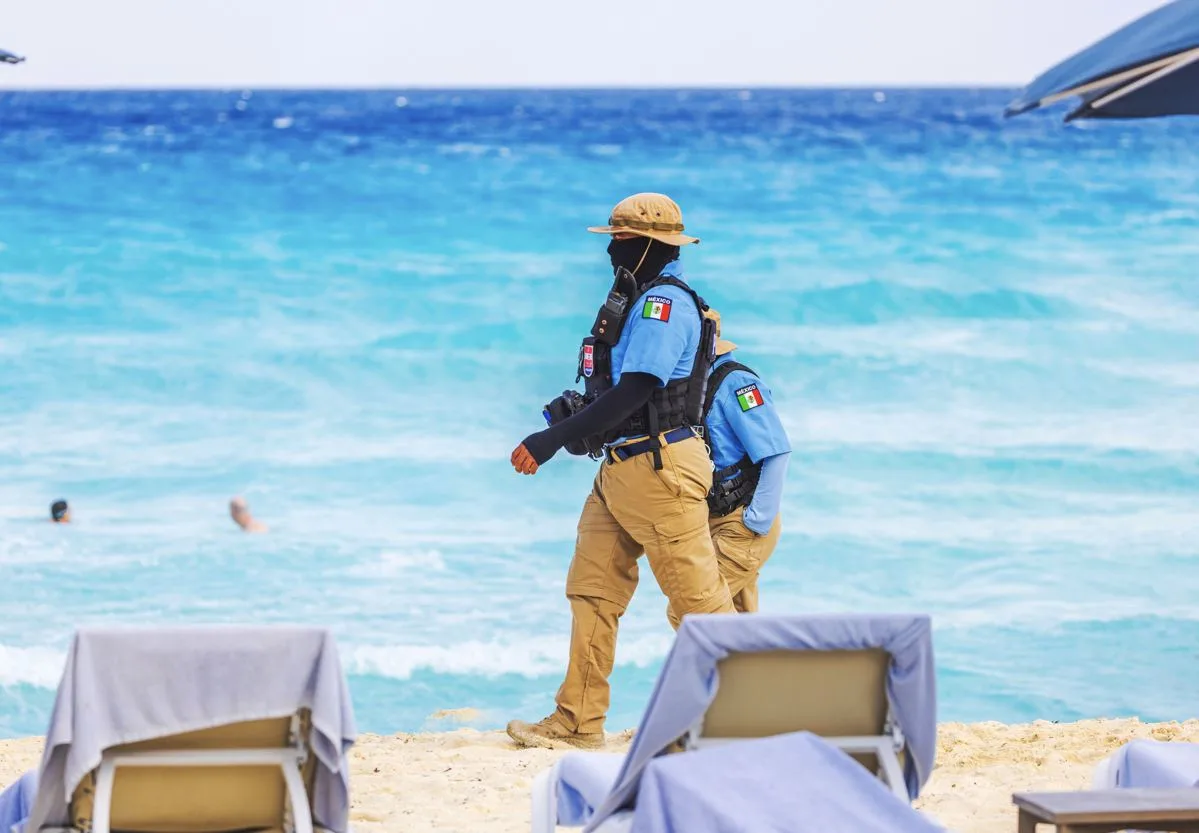
If you’re one of the millions of Americans planning to arrive in Cancun this winter, you may notice that the atmosphere feels a little more cramped (and safer) than usual.
Security is always the elephant in the room when we talk about Mexico. We all love the turquoise water, the all-inclusive service and the direct flights, but the nagging headache in the back of everyone’s mind is always: “Is it actually safe outside the resort?“
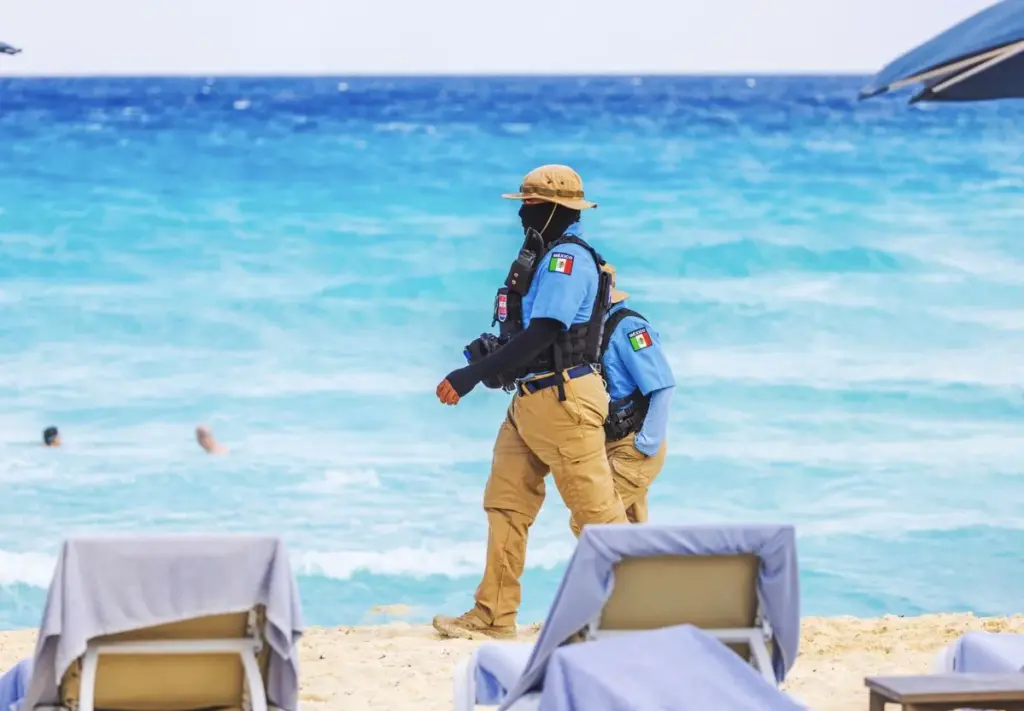
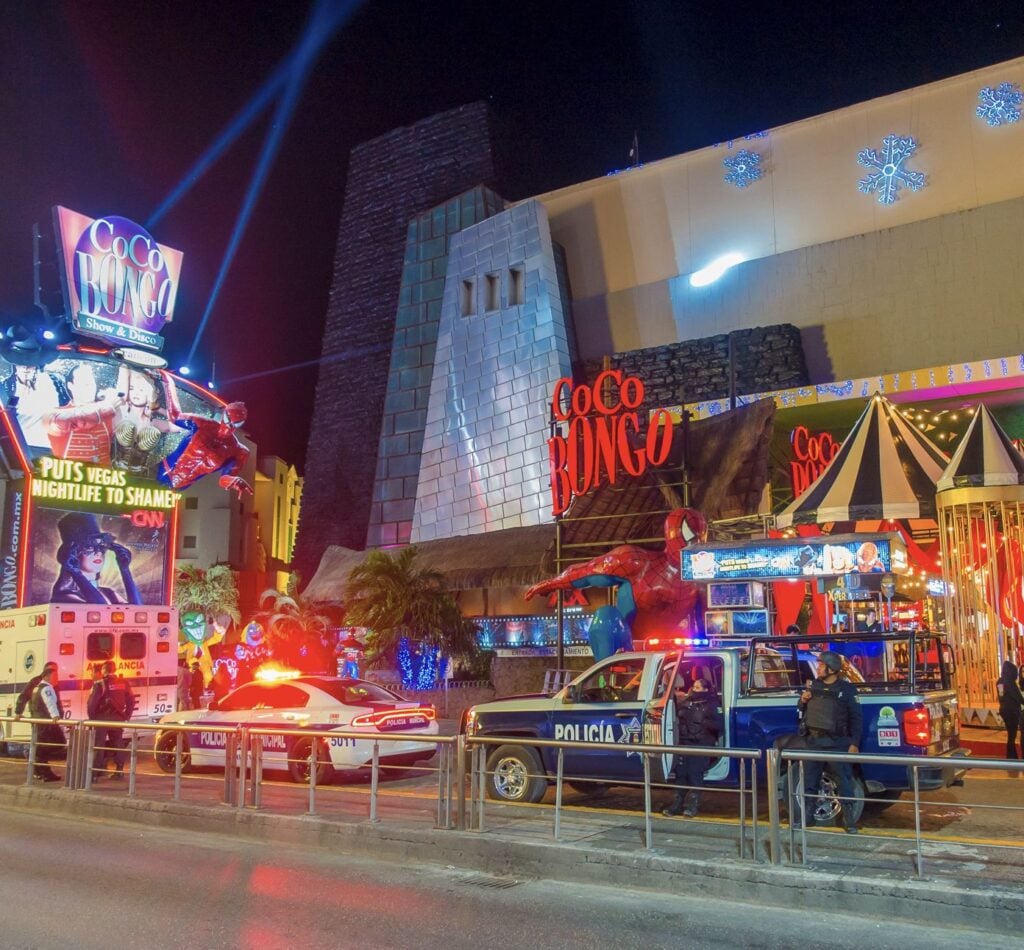
Just in time for the massive crowds during the winter holidays, the Cancun government has answered that question with a great show of force.
In a strategic move to… Hotel zone and tourist corridors in the centerMayor Ana Paty Peralta has been officially integrated 400 new officers in the city’s security ranks.
But this isn’t just about putting more boots on the ground. We at Travel off the path have analyzed the deployment and its details body cameras And English education suggest a major shift in how Cancun regulates tourist safety for 2026.
The Surge: 400 new officers for the high season
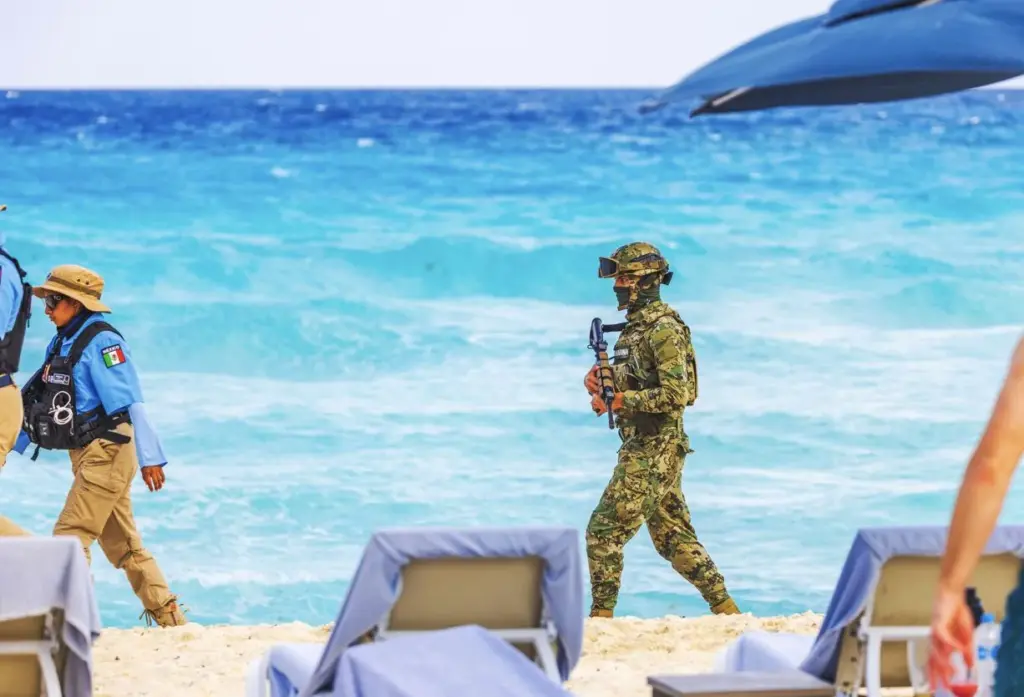
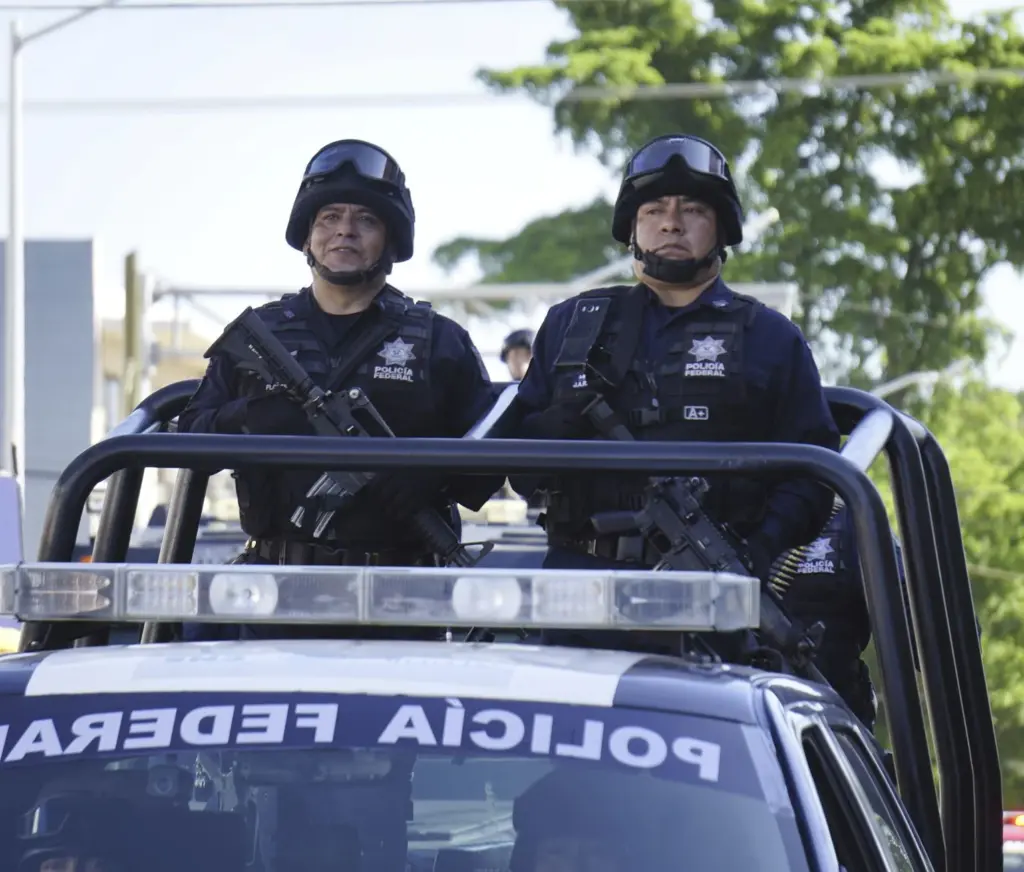
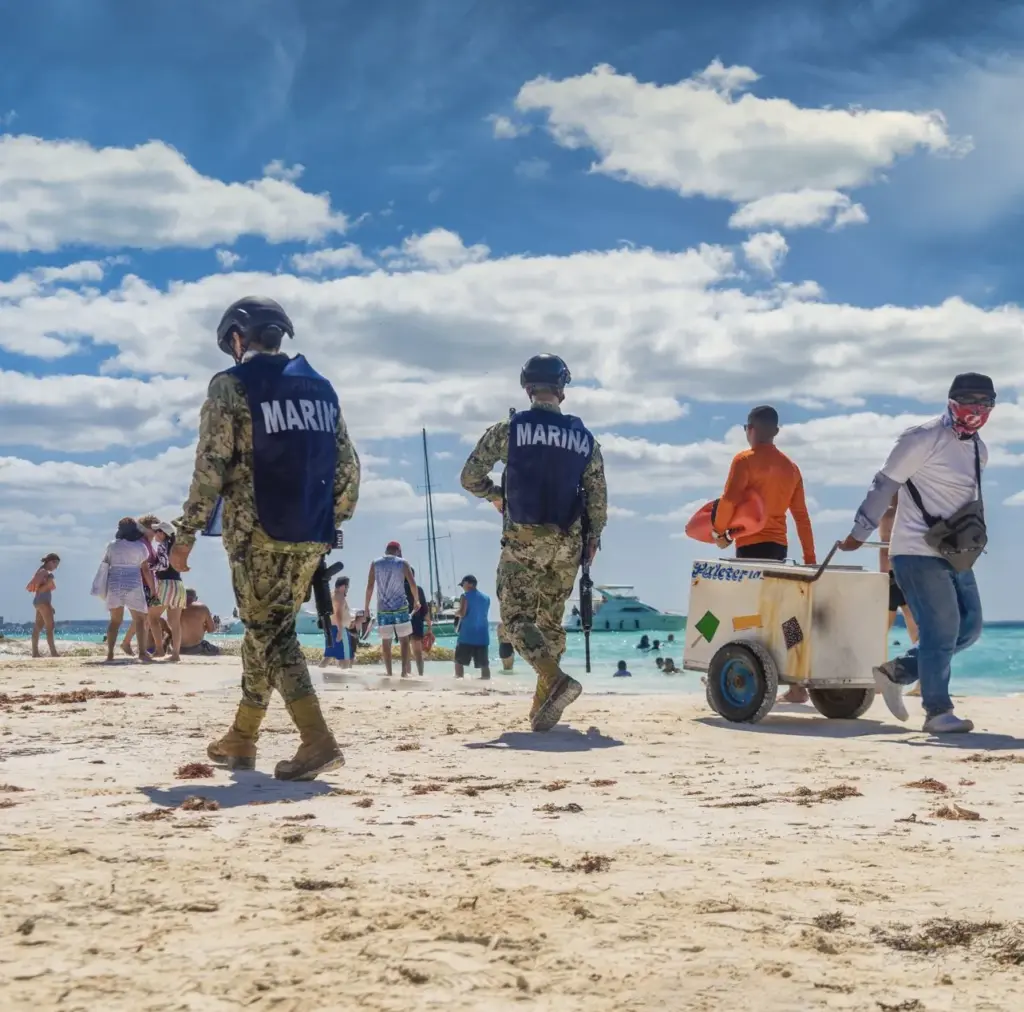
Seeing police in Cancun is nothing new. If you’ve been there recently, you’ve probably seen the National Guard patrolling the beaches with long guns – a sight that may startle first-time visitors but is standard procedure in Mexico.
However, this new implementation is different.
These 400 new officers join the Municipal policespecifically under the ‘Professional Career Service’. This distinction is important.
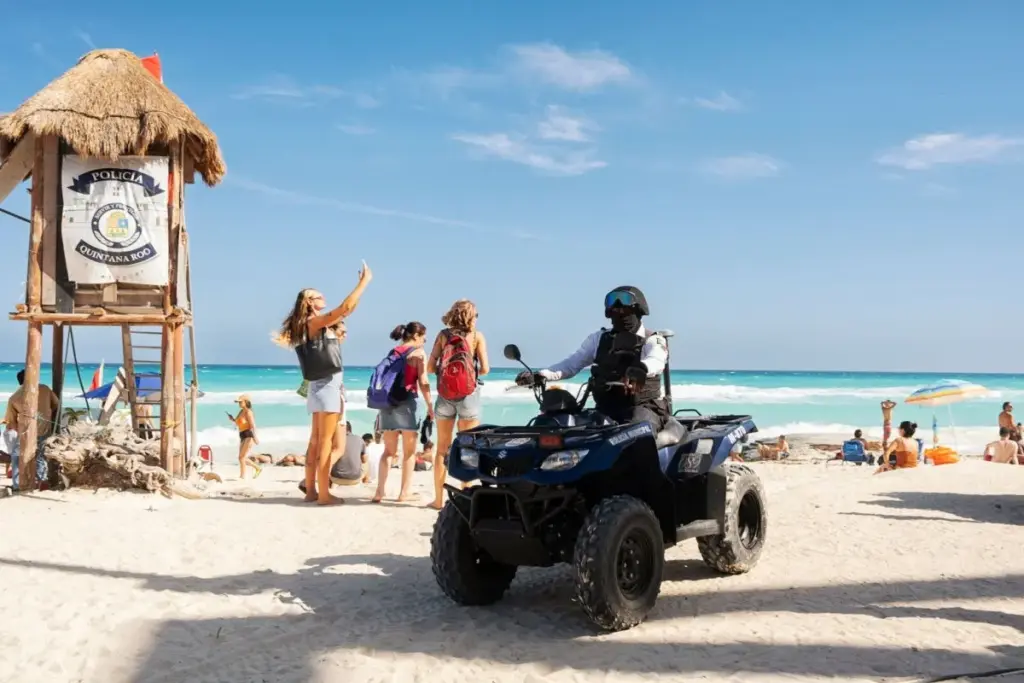
- The breakdown: Of the new recruits, 220 are fully operationalmeaning they are already on the streets, driving patrol cars and walking the beat in high traffic areas.
- The strategy: This brings the total professional force to more than 1,400 officers. Unlike the National Guard (which is federally and military focused), these municipal officers are the ones you will actually deal with if you get lost, have a fender bender, or need help.
Earlier this year, the state of Quintana Roo, home to Cancun, deployed a total of more than 7,000 security personnel to ensure the tourist experience is safe.
This increase is part of a wider effort to ensure that the near-record numbers of tourists expected this winter can enjoy their holidays without looking over their shoulders.
The tech upgrade: body cameras are now standard
One of the most important updates in this announcement is the focus on modernization and transparency.
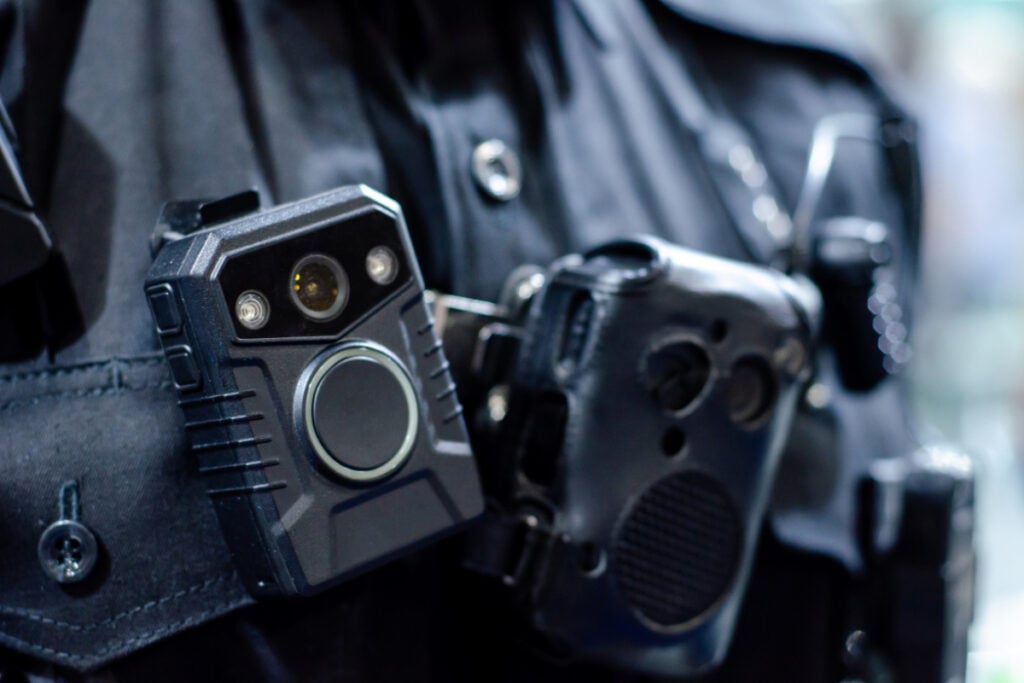
The administration confirmed the commitment of 725 body cameras next to the new officers. This means that almost half of the force is now equipped with technology that records their interactions in real time.
Why this is a game changer: This technology brings Cancun’s police force in line with international standards. For travelers, it adds a layer of digital responsibility to every interaction. Whether you’re calling for help or interacting with officers at a checkpoint, the presence of a camera ensures protocols are followed and the interaction remains professional.
“Soft skills”: police who actually speak English
Another major bottleneck for tourists is the language barrier. Trying to report a stolen bag or asking for directions is terrifying when the officer just stares at you blankly.
In a surprising move, the Secretariat of Citizen Security revealed that it was over 1,900 officers and cadets I have already completed a training course Basic English.
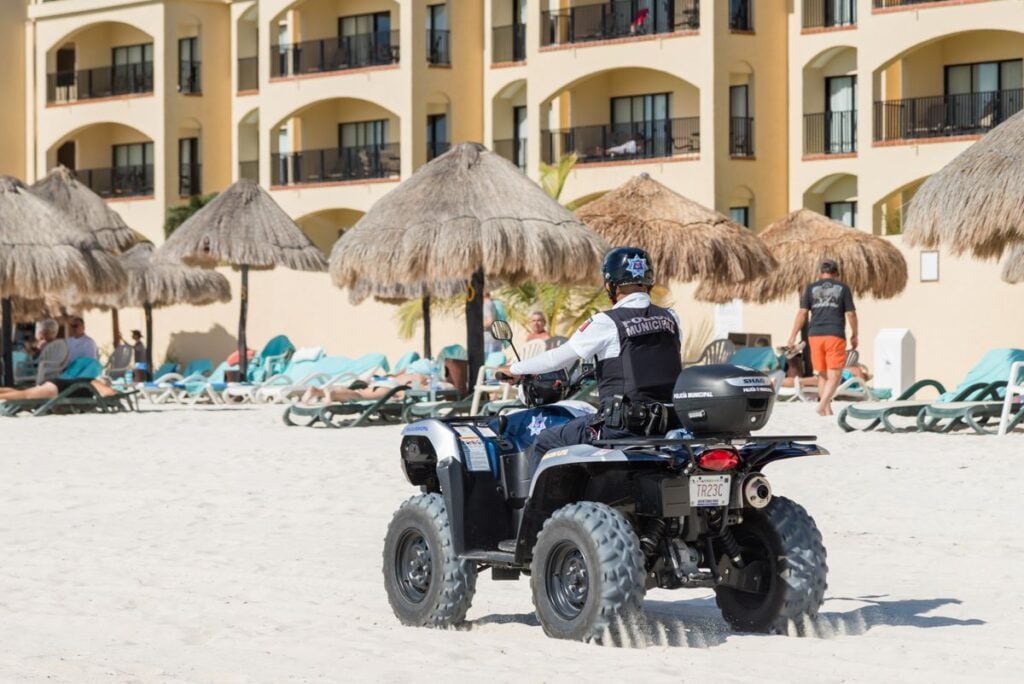
They are also trained in POP (Problem-Oriented Police Work) model. While that sounds like corporate jargon, to a tourist it means that officers are trained to be “helpers” rather than just enforcers. The goal is to change the atmosphere from confrontation to assistance, making the police a resource you control direction instead of away from.
The ‘Eyes in the Sky’ network
These 400 new agents do not work blindly. They will be connected to one of the most advanced surveillance networks in the Caribbean.
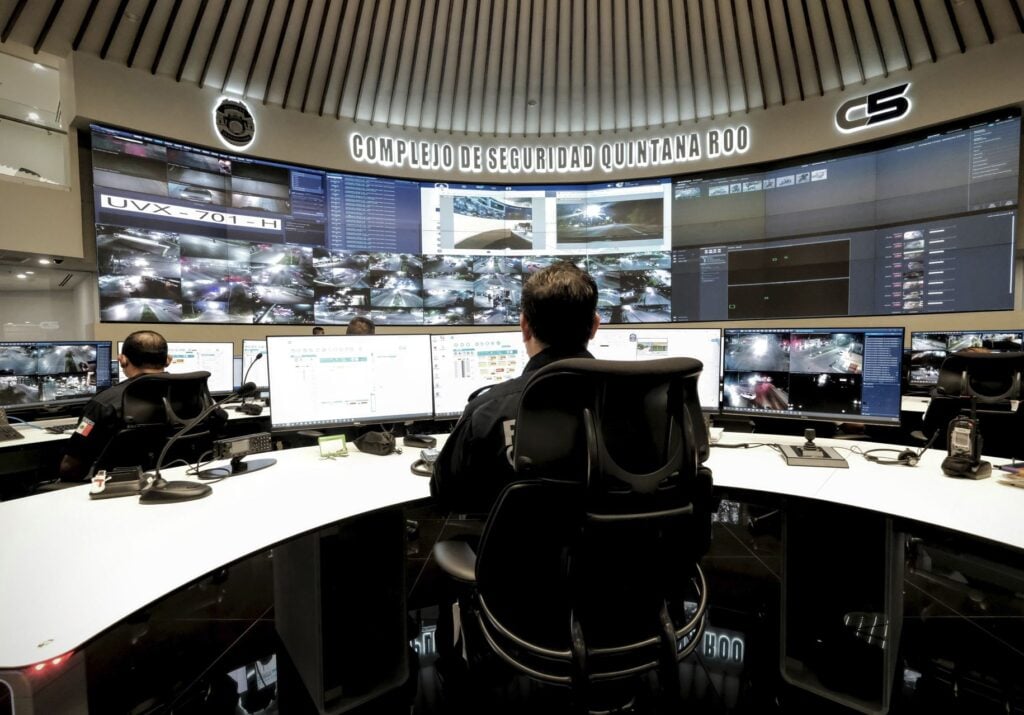
Cancun has installed aggressively over the past year 1,000 video surveillance cameras throughout the hotel zone and the center, all connected to the C5 Security Complex.
This creates a “digital shield” over the tourist areas. If an incident occurs outside a nightclub or near a resort, the C5 center can monitor it in real time and dispatch these new officers to the exact location within minutes. This rapid response capacity is a key selling point for the destination as it competes with hubs deemed safer such as Los Cabos.
What you’ll see on the ground this winter
If you’re flying over Christmas or New Year, you can get a very visible presence of security.
- On the beach: You will still see the National Guard in camouflage walking through the sand.
- On Kukulcan Boulevard: You’ll see the new municipal police in patrol cars (often with continuously flashing light bars – this is a ‘presence’ signal, not an emergency).
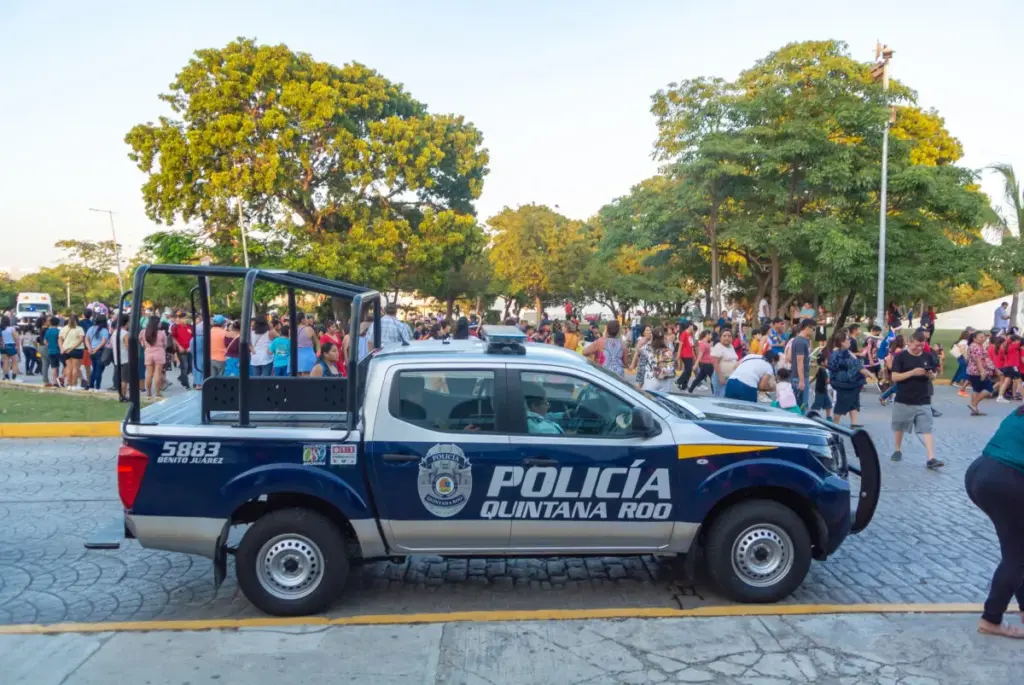
- In the center: You’ll see more foot patrols near the ADO bus station and popular taco spots.
Don’t let this scare you. In the US or Canada, seeing 400 cops usually means something bad has happened. In Cancun this means they are trying to prevent something bad from happening. It’s a deterrent strategy designed to keep the party atmosphere safe.
The bottom line
Cancun doesn’t like bad headlines. By investing in professional careers for their officers, adding body cameras and teaching them English, the city is trying to build a police force that actually serves the millions of tourists who fund the economy.
While no destination is 100% risk-free, these upgrades make Cancun one of the most monitored and protected vacation destinations in the hemisphere for 2026. Currently The US Department of State rates Cancun at a level 2 ‘Be extra careful’.
Know before you go
Even with more police, you have to be prepared. Before you book your flight, make sure you do our essential information 1 minute trip check.
In just 60 seconds you can create the final admission requirements And travel advice for your destination, so that your journey is as smooth as it is safe.
Travel safely!
Subscribe to our latest posts
Enter your email address to subscribe to the latest Travel Off Path breaking travel news, delivered straight to your inbox.