

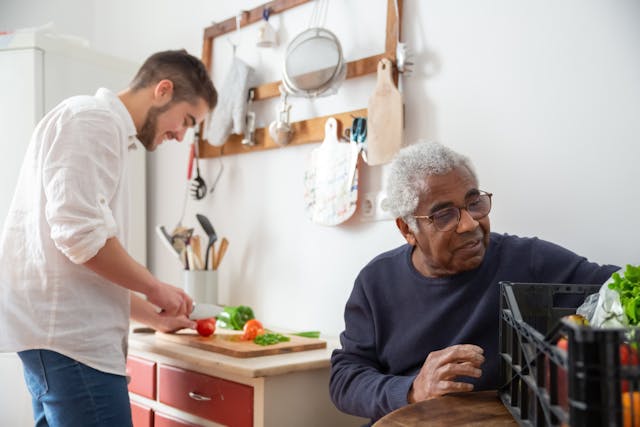
When you start exploring support options for an aging parent or loved one, the decision can feel overwhelming. You want care that supports independence, respects dignity and makes daily life feel familiar and satisfying. If your family lives in Barnet, choosing between residential care and support at home is an important one. Many families are now rethinking traditional nursing homes and considering live-in care as a practical and compassionate solution.
Live-in care places a professional caregiver in your home so that your loved one receives ongoing support in an environment that feels safe and comforting. Instead of moving away from anything that has sentimental value, seniors can continue their daily lifestyle with help always available. For many, this approach provides the emotional stability, independence and reassurance that other environments may not provide.
This guest post explains whether live-in care in Barnet could be the right path for seniors. You will explore the benefits, what a healthcare provider typically offers and how this choice supports physical, emotional and social well-being. With an analytical look at the options, you can make a more confident and informed decision for someone you care about.
The most important benefits of live-in care
Live-in care gives seniors access to one-on-one support every day, without the hassle of leaving their home. It meets practical needs such as assistance with daily tasks, personal care, mobility support, medication reminders and assistance with medical appointments. However, the benefits extend further, affecting mental health, self-confidence, independence and overall quality of life.
When a caregiver is on site 24 hours a day, your loved one receives personal and consistent attention, rather than being shared with many residents in a busy environment. This is especially useful for seniors who need close supervision, support with memory problems, or help staying socially connected.
For families in Barnet, the peace of mind that someone is always nearby eases worries and removes the need to constantly check in. You no longer feel like you have to look for the next emerging problem because someone is already there to respond.
What does a live-in senior caregiver offer?
A live-in caregiver provides a structured balance of professional support and compassionate guidance. Their role adapts to the needs of the individual, providing a level of flexibility that other healthcare environments often lack. Depending on your situation, support may include:
- Personal care such as bathing, grooming, dressing and continence support
- Meal preparation tailored to dietary requirements
- Assistance with walking, transfers and mobility aids
- Medication declaration and health monitoring
- Household tasks such as laundry, cleaning and tidying up
- Transportation to appointments, social groups and community events
- Emotional support and companionship
- Cognitive stimulation activities for seniors with dementia
A caregiver can also help maintain hobbies, communicate with family, plan routines, and encourage regular exercise and self-care. Instead of fitting into a predetermined schedule, the day unfolds in a way that works best for your loved one.
This level of continuity creates a rhythm that supports both physical health and emotional well-being. It means fewer disruptions, easier transitions and support that adapts from day to day.
Why live-in care is an ideal choice for seniors)
Choosing the right care arrangement requires careful consideration. For many families assessing whether live care in Barnet offers the right environment, the benefits are clear. Seniors maintain control over their environment and their routine, while benefiting from constant supervision and practical support.
Below are the top reasons why this care model works so well for older adults who want stability, comfort, and independence.
1. Personal attention
When care is provided at home, your loved one receives one-on-one support that is fully tailored to his or her needs. In residential environments, care providers often divide their attention among many residents. Live-in care ensures that the senior in your family has a dedicated caregiver who understands their habits, preferences, health status and personality.
This familiarity helps the caregiver anticipate needs before they become problems. Small changes in behavior, appetite, mood or movement are easier for a consistent caregiver to detect early. Faster responses often lead to faster interventions, preventing complications.
2. Comforts of home
Home offers a familiarity that cannot be created anywhere else. It is where memories live, where routines make sense and where everything seems within reach. Seniors don’t have to adjust to new rooms, communal bathrooms, different meal times or unfamiliar surroundings.
Stay at home:
- Retains sentimental value
- Maintains emotional security
- Reduces disruption or confusion
- Ensures that daily life can continue naturally
This is especially valuable for people with dementia, who may feel disoriented when placed in an unfamiliar environment.
3. Consistent routine
Routine is more important for seniors than many people realize. Predictability can reduce anxiety, improve sleep, promote stable eating patterns, and help with medication consistency. Live in care for seniors provides daily continuity that scheduled visits or residential care may not provide.
Your loved one wakes up when he/she wants, eats when he/she wants, and follows patterns that are comfortable for him/her. A structured environment makes the day feel manageable, especially for individuals who benefit from familiar rhythms.
4. Improved safety
Many families worry about falls, wandering, medication errors, household accidents, or emergencies that can occur when no one is present. Live-in care places an experienced professional at home who can respond immediately if something happens.
They can also make the living environment safer through practical measures such as:
- Identify fall risks
- Encourage safe mobility
- Structuring medication routines
- Monitoring behavioral changes
- Providing assistance during the night hours
This reduces the chance of hospital visits and ensures that your loved one is not alone at vulnerable times.
5. Company
Loneliness is one of the most common challenges seniors face, especially as mobility changes or social circles shrink. The daily presence of a compassionate caregiver provides human connection and emotional support.
Conversations, activities, shared meals, and friendly company can lift the spirit, discourage discouragement, and help maintain cognitive function. Over time, the relationship often becomes meaningful and your loved one feels heard, supported and valued.
Family members also benefit from knowing someone is there when they can’t be there. It often improves relationships and reduces stress within the family.
6. Cost-effective solution
Many families assume that live-in care is more expensive than residential care. In reality, when you look at the level of personal attention provided, the costs often compare favorably with those of high-quality nursing homes.
In residential settings, care is shared among many residents and additional services may be charged separately. Live-in care offers clarity in what is offered and the support is fully focused on your loved one.
It also prevents hidden costs such as:
- Transport costs for family visits
- Additional care extensions
- Loss of time at work due to caring responsibilities
Many families find that the emotional and financial value fits well with their priorities.
Discover fully managed live-in care services
If you want structured, ongoing support that protects independence and improves daily life, engaging fully managed live-in-care services can simplify the process. With a managed solution, you don’t have to independently recruit caregivers, schedule services, provide training, or handle administrative burdens.
A healthcare professional manages:
- Care planning and assessments
- Match suitable caregivers with your loved one
- Continuous supervision and quality assurance
- Holiday coverage and staff continuity
- Compliance with care regulations
- Routine reviews and adjustments
You retain control over the environment and care, while the provider takes care of the operational activities. For many households, this takes the pressure off and brings peace of mind. Families in Barnet often appreciate knowing that their loved one is supported and can continue to work, manage their family life and maintain their own wellbeing without guilt or worry.
Living in care Barnet gives your loved one the best of both worlds: independent living with consistent professional support.
Conclusion
Deciding on long-term care for a senior family member is an important decision that affects the entire household. You want a solution that protects independence while providing the right level of support. For many households, life in senior care provides continuity, dignity, emotional reassurance and a stable daily environment.
Your loved one will remain surrounded by precious memories, possessions and routines that make life feel natural. If a professional caregiver is always available, safety is increased, loneliness is reduced and daily life becomes more manageable. Families get peace of mind because someone is always there when needed.
With high-quality managed care services available in Barnet, you can access structured and reliable support without the complexity of managing everything yourself. This approach allows your loved one to remain in control, maintain their identity, and enjoy a standard of living that reflects who they are.
If you are considering the next phase of support for a senior family member, live-in care through Aum Care Group can provide a balanced and powerful solution, one that keeps life personal, comfortable and fulfilling in the place that matters most: home.