


Share the article
Between the American passport free-falling from global dominance and the dollar weakening against the euro every month, 2026 hardly feels like the year to indulge in a luxurious cave hotel in Santorini or a five-star concept retreat with Amalfi views.
Americans are traveling abroad more cautiously than ever and not only feel safe and welcome, but… Affordability has become a make-or-break factor when choosing their next destination.
If you’ve been dreaming of cobbled streets and fairytale castles but can keep it low-budget for once, here are the top 5 cheapest cities to visit across the pond – according to our fellow travel experts at Time-out.
Zagreb, Croatia
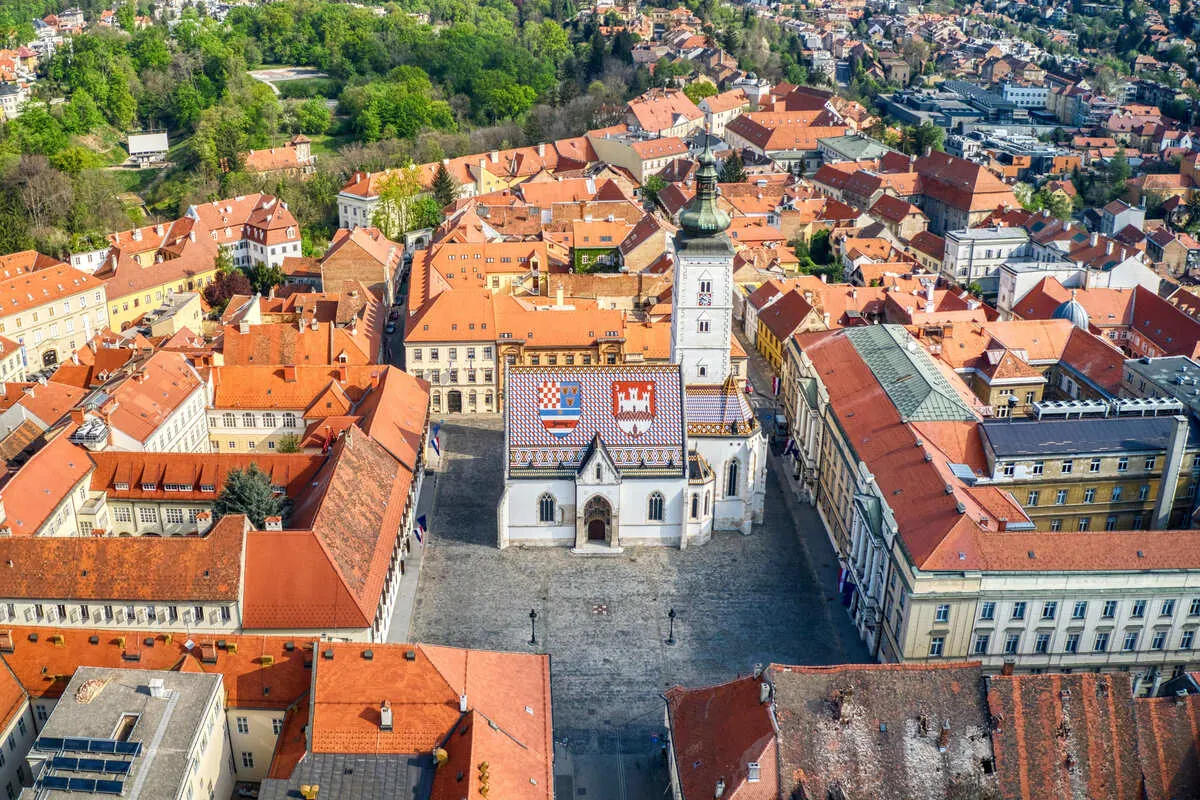
Although Croatia is one of the most sought-after places in Europe, led by the coastal cities of Split and Dubrovnik, one city that always plays second fiddle, believe it or not, is the national capital Zagreb, tucked a little too inland for tourists to notice.
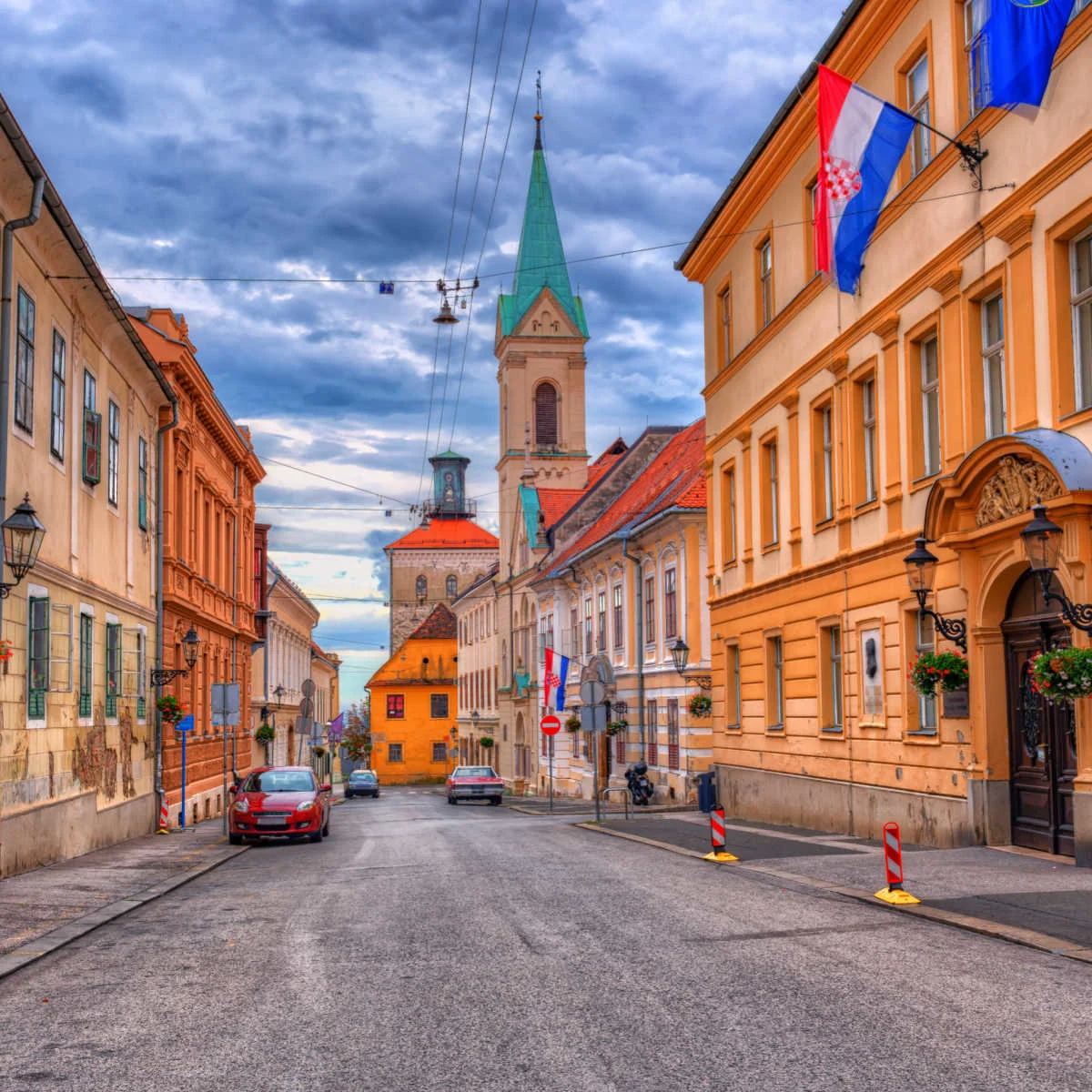
Deeply rooted in Central Europe both culturally and aesthetically, Zagreb feels right at home next to Austria and Hungary with its wide boulevards, lush city parks and imperial architecture reminiscent of the 19th century.


It may lack the Adriatic coast or the Mediterranean glow of Dalmatia, but it’s all about one well-preserved old townfull of cobbled alleys, medieval towers, churches with colorful tiles and a monumental Gothic cathedral with two spires.
It’s also packed with niche museums (the Museum of Broken Relationships is an ever-evolving gallery showcasing artefacts from failed romances) and in winter, nearby Mount Sljeme turns into a ski hotspot with winding slopes and enough fresh powder to keep the fun going well into spring.
Average prices in Zagreb, Croatia

*Prices measured from multiple sources, such as Numbeo, BudgetYourTrip, Wise
Miskolc, Hungary
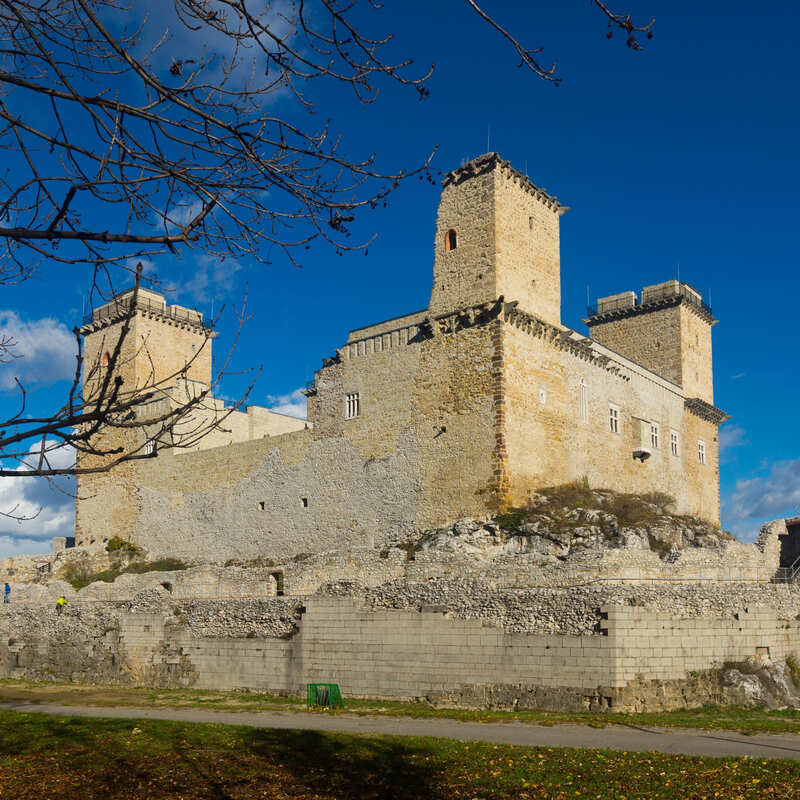
We all know Budapest for its grand parliament, streets lined with tram lines and classic bathhouses, but what if we told you that there is a smaller Hungarian gem with an equally stunning architectural arrangement and cozier spas—minus the swelling crowd?
Hungary’s fourth-largest city, with more than 143,000 inhabitants, is notable for its medieval roots, with a refurbished 14th-century Diósgyőr Castle, a pedestrian-friendly Old Town and numerous thermal baths in limestone caves.
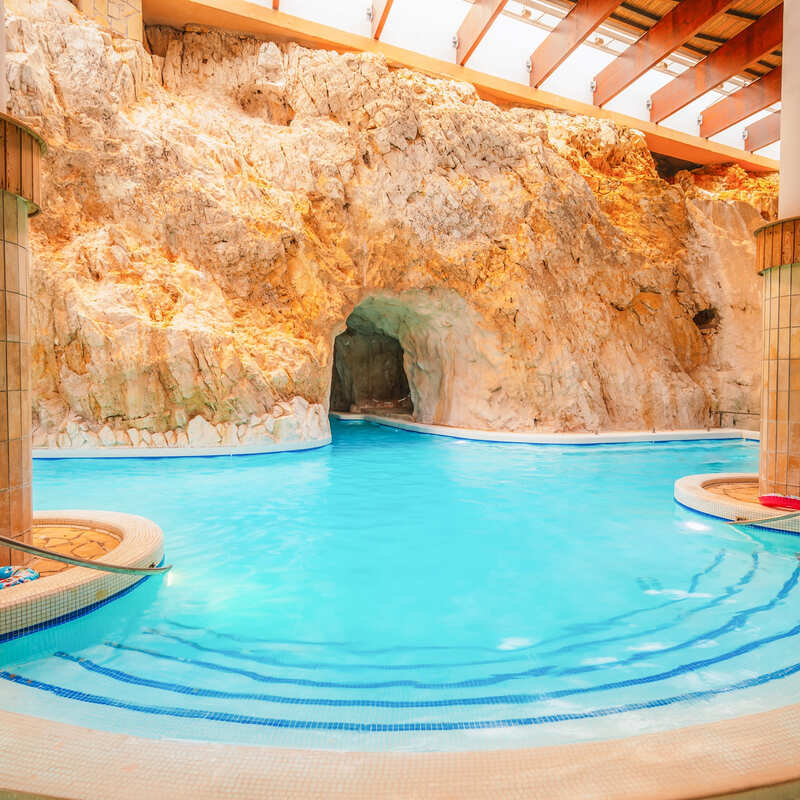
The local Miskolctapolca is widely regarded one of the best spas in Europeand it’s easy to see why: natural thermal waters winding through a nature-carved labyrinth feel much more intimate and down-to-earth than Budapest’s packed-to-the-brim Széchenyi Baths.
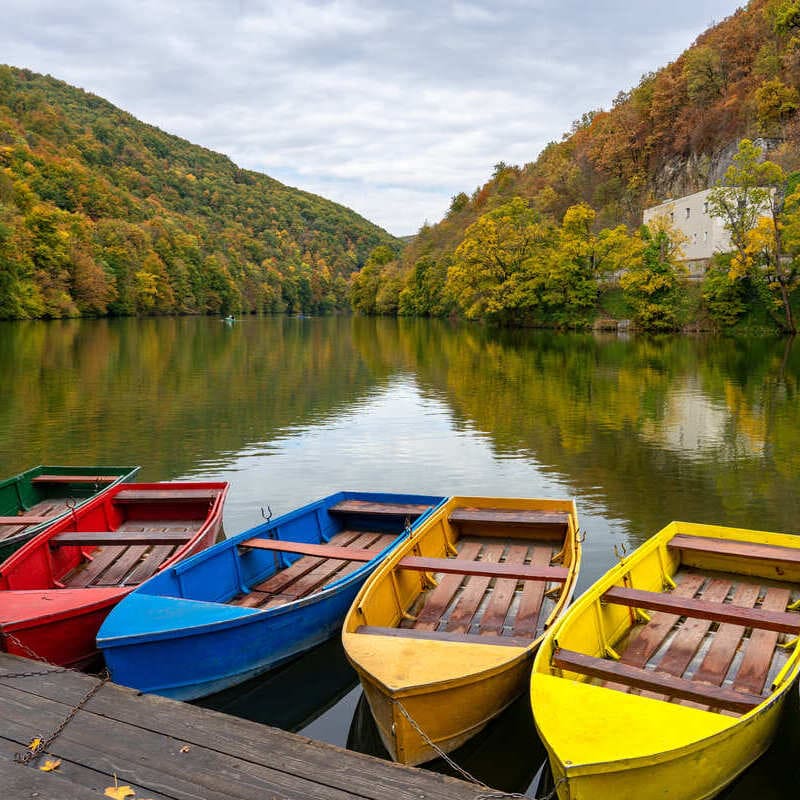
On the outskirts of the city, the Bükk National Park surrounds the serene Lake Hámori, beautiful waterfalls in a lush landscape and ancient caves open to explorers. For vibrant displays of aragonite and calcite, head to Anna Cave.
For Hungary’s impressive stalactites and stalactites, the Szent István Cave is the ultimate show steal.
Average prices in Milkoc, Hungary
Kingston upon Hull, United Kingdom
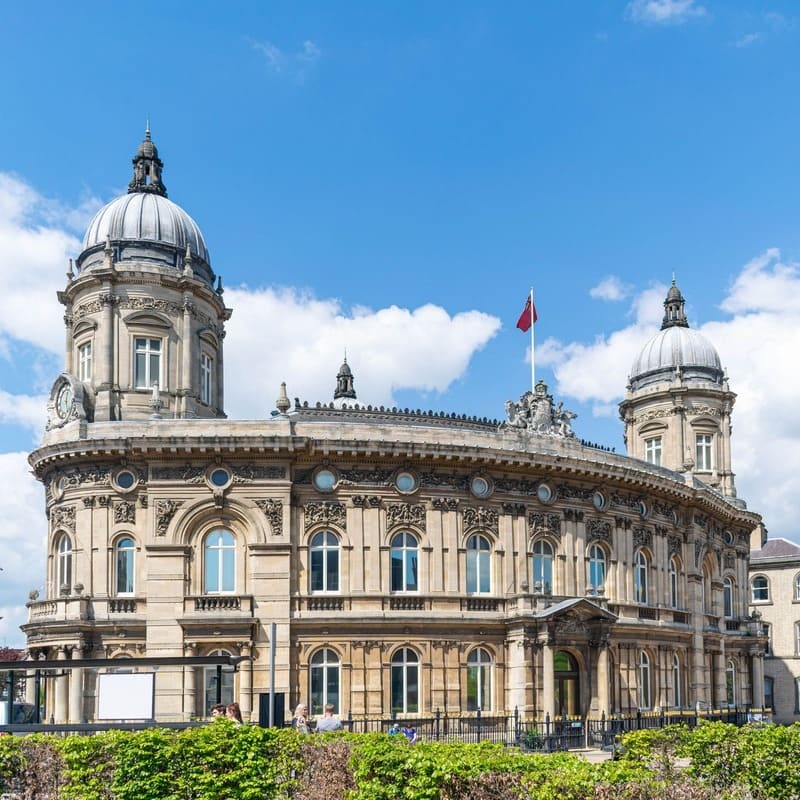
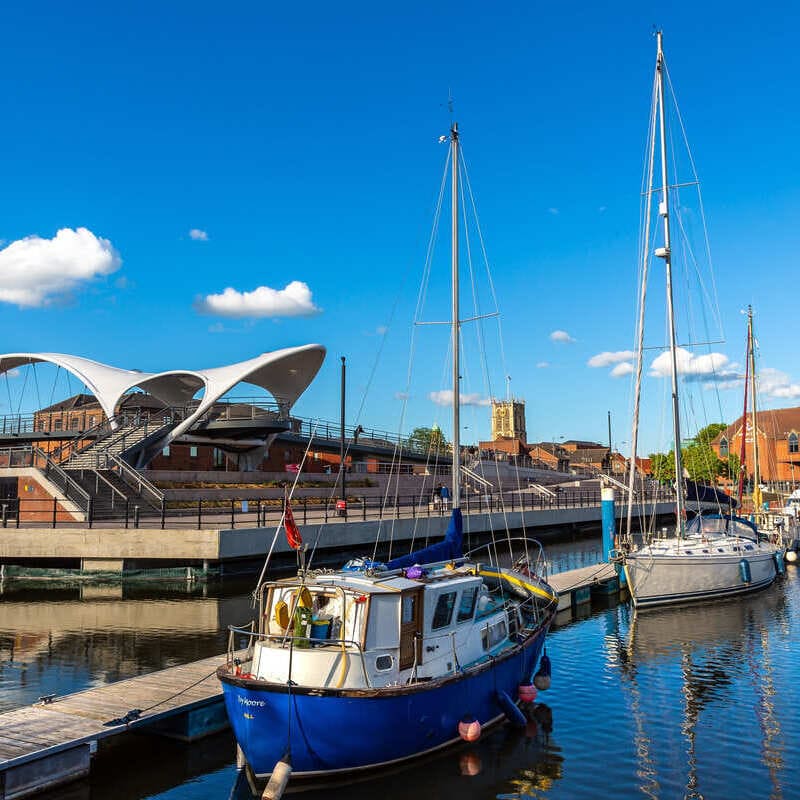
Liverpool’s smaller, arguably cooler sibling, it would certainly be Kingston upon Hull, which sits opposite on the other side. With a vibrant Museum Quarter on the waterfront, a vibrant pub culture and that warm, Northern English hospitality, it feels like a hidden gem yet to be discovered.
In the heart of Hull’s bustling marina, The Deep is among Britain’s largest aquariums, and as you stroll through the cobbled Old Town you’re likely to come across numerous pubs and boutiques. High Street, the main pedestrian-friendly street, is flanked by well-preserved, Brick buildings from the Georgian era.
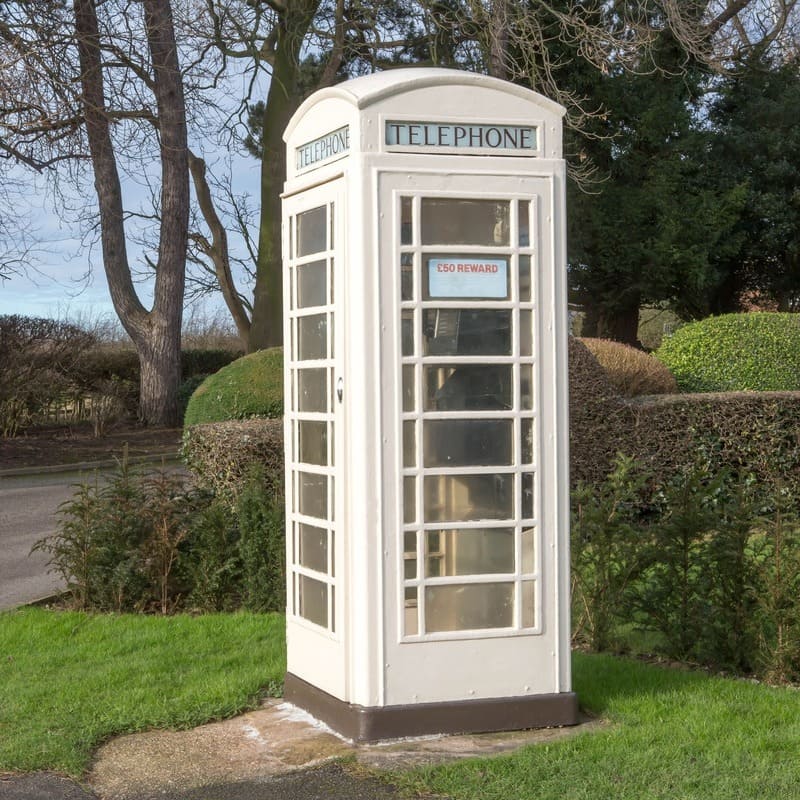
Oh, and what you might notice is that the phone boxes here aren’t the typical bright red you see in other British cities, but a striking cream. Hull used to have its own telephone system, separate from the rest of the country, and we suspect the locals favored off-white as their signature colour.
For the pub maniacs among us, take a trip down memory lane (and have a few pints while you’re at it) at Ye Olde White Harte, the oldest pub in the city. History buff much? Hull is the birthplace of William Wilberforce, a key figure in the abolition of the slave trade, and you can visit his house on High St.
Average prices in Kingston upon Hull, UK
Tirana, Albania


If you were ever to climb the monumental pyramid that dominates Tirana’s skyline, you would see a vast metropolis unfold before you, chaotically branching out as far as the eye can see, neither adhering to a single architectural style nor shying away from experimentation.
Tirana is young and dynamic – while most of Europe is rapidly aging and the average resident here is 32 years old – it has a pulse, palpable energy, an unmatchable atmosphere, and most importantly, it’s just iswithout trying too hard to please or asking for excuses.


It thrives in limbo between Balkan grit and 21st century buzzand while it doesn’t make much sense half the time, there’s just something about communist bunkers sharing the block with Ottoman mosques, Orthodox churches and unholy underground bars that tugs at just the right heartstrings.
In short, Tirana may not be typical European– Beautiful, but the unusually wide range of quirky attractions, large squares dominated by larger-than-life Albanian flags, and thriving café culture are sure to leave a lasting impression on you.
Average prices in Tirana, Albania


Sarajevo, Bosnia and Herzegovina


Sarajevo, one of Europe’s most unsung national capitals, is located on the intersection between East and Westand its eclectic historic center couldn’t be a better visual representation of it: imagine medieval mosques, neo-Gothic cathedrals and Orthodox temples, all within a short walk of each other.
The Ottoman-built Old Town (locally known as Bascaršija) is a typical Balkan maze of cobbled streets flowing in and out Turkish style bazaarsand it is intersected by Miljacka, a picturesque river spanned by a series of historic bridges.


Mostar may be home to Europe’s most famous bridge, but it’s Sarajevo’s stone Latin Bridge that set the stage for a pivotal moment in history: Archduke Franz Ferdinand was assassinated while crossing it in 1914, the event that could have single-handedly sparked World War I.
Needless to say, Sarajevo also bears the scars of the 1990s war: don’t miss the Tunnel of Hope, a hidden underground passageway that provided a lifeline to the city during the Serbian siege, and Sniper Alley, a main road still plagued by bullet holes. Scary? Certainly. A must see? You bet.
Average prices in Sarajevo, Bosnia and Herzegovina


Subscribe to our latest posts
Enter your email address to subscribe to the latest Travel Off Path breaking travel news, delivered straight to your inbox.


