

Share the article
If you’re going to Europe this year but are no longer charmed by Paris and its twinkling Eiffel Tower, London with its red telephone boxes and Rome and its ancient landmarks, you should know that you’re not the only one looking for alternatives to the usual tourist hotspots.
According to a new report from Omioone of the leading travel comparison and booking websites in Europe, capitals may have had their moment last year, but in 2026 21% of travelers choose fewer-famous destinations.
A large number cited lower prices, fewer crowds and unique attractions as their top reasons for choosing ‘smaller metropolises’, and as Omio reports, ‘second cities’ have increased in popularity by 34% year on year.
If you’re not familiar with the terminology, a “second city” is what we call a major hub in a country that is a major cultural center, and an urban heavyweight big enough to rival the capital, even if it is not the administrative heart.
There will be some before 2026 5 leading second cities that are driving travel trends, and if you love medieval heritage and culture-rich city breaks, you won’t want to miss them:
(Also, don’t miss our quiz at the end to discover which city suits you perfectly!)
Ghent, Belgium
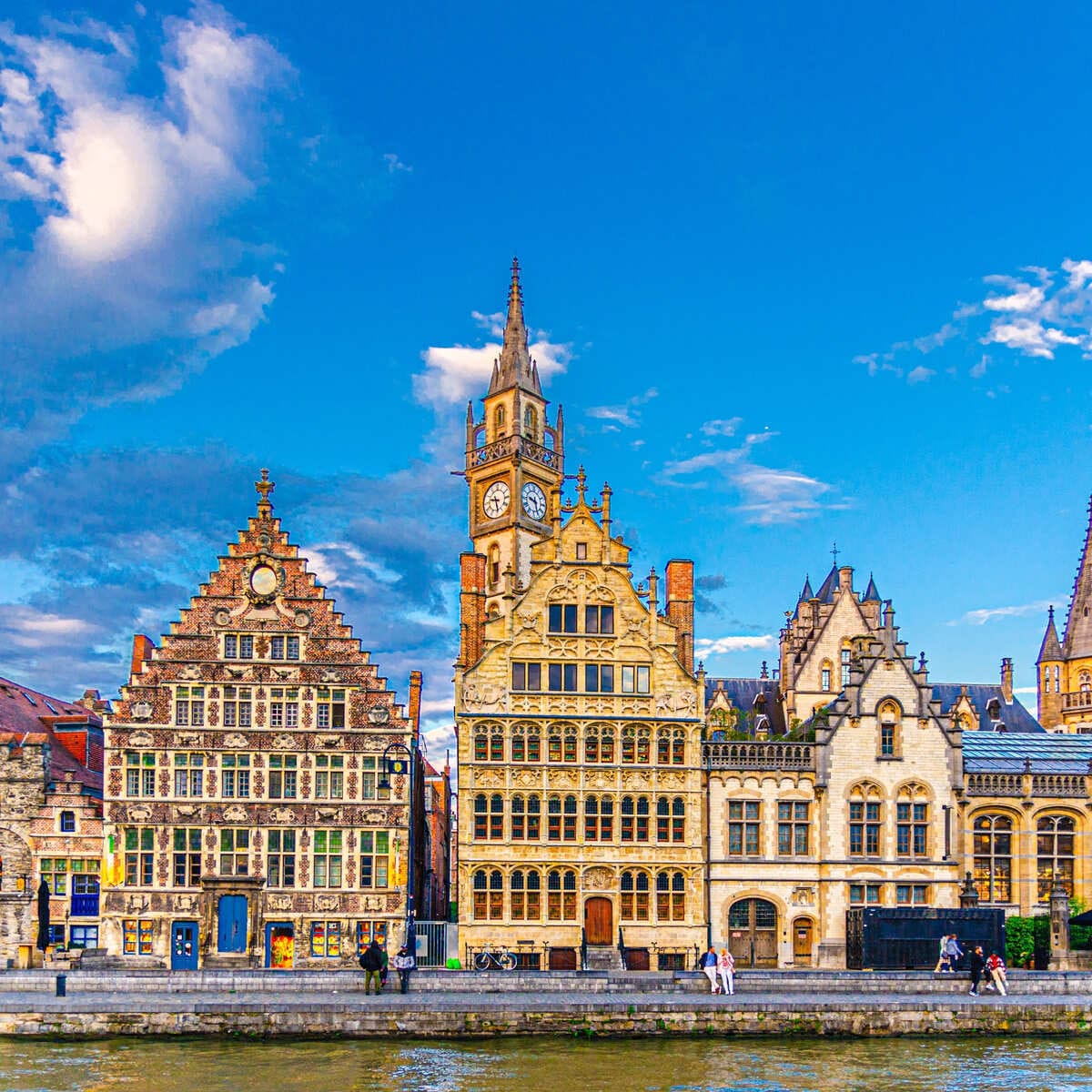
With a 66% increase in demand, according to the Omio report, Ghent is quickly becoming one of the trendiest destinations in Europe, and we can’t really blame tourists for coming here instead of an overcrowded, overpriced and increasingly dangerous Brussels.
Home to a quaint medieval center crisscrossed by picturesque canals, a historic castle known for its deep moat and rampart views, and a Belfry, which is on the UNESCO World Heritage Listit is one of Belgium’s best-kept secrets that the general public is only now beginning to understand.
If you’re ever in the city, be sure to visit Stadsbrouwerij Gruut, a brewery that serves Ghent’s popular herbal pre-hop beer, and explore the unique graffiti and boutiques in the hippie haven of Werregarenstraat.
Antwerp, Belgium
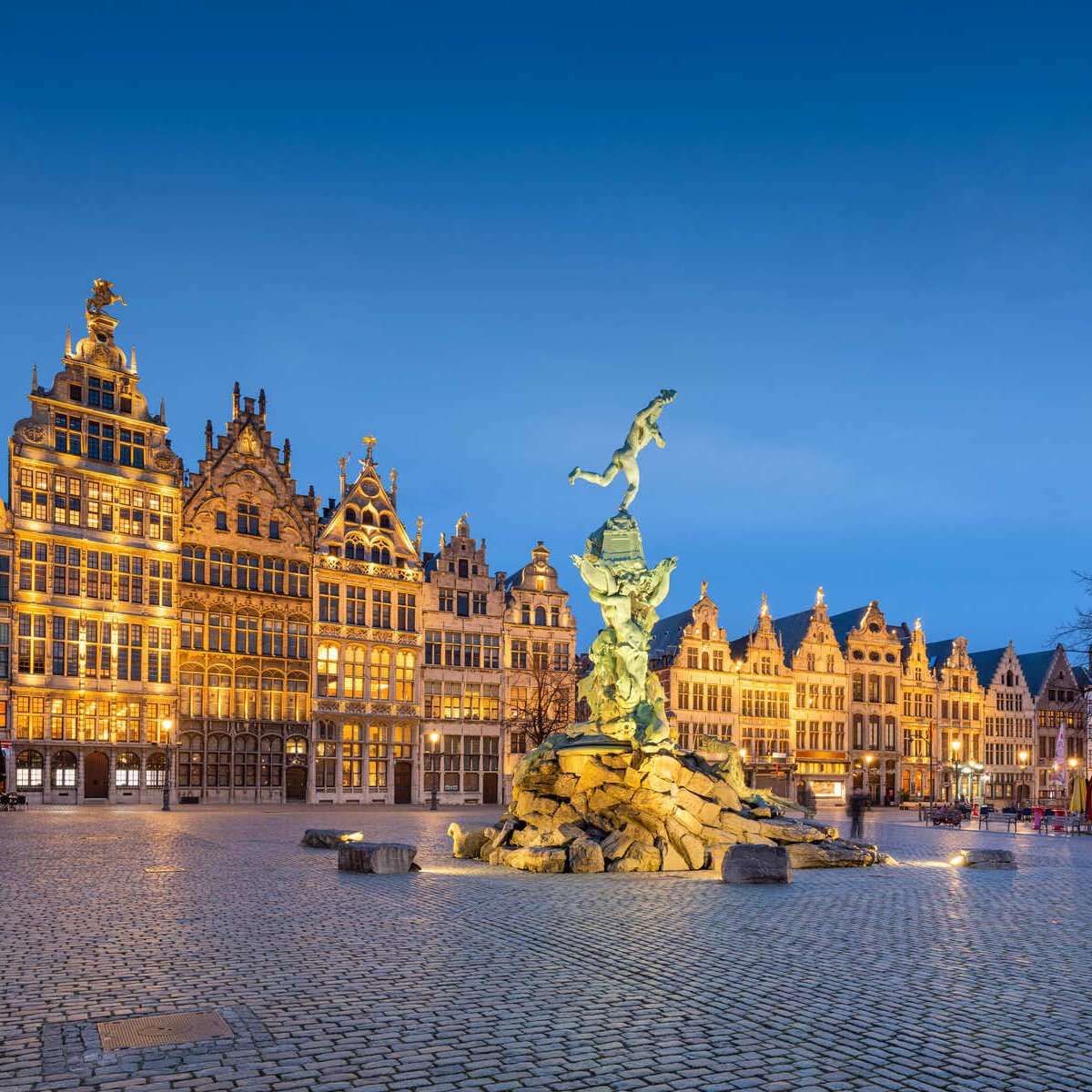
The fourth fastest rising secondary destination in Europe is another Belgian gem, and this time the second largest in the country: Antwerp is the Flemish equivalent of Brussels and a sprawling city with a real lived-in feel:
The historic Old Town turns postcard-ready Grote Markt, flanked by ornate guild housesand the cobbled streets that flow from it lead to hidden courtyards and quirky chocolate shops. The Cathedral of Our Lady, high above the well-preserved medieval maze, is a medieval Gothic marvel.
For the jewelry enthusiasts among us, you’ll be pleased to hear that Antwerp holds the title of Diamond Capital of the World, with jewelers from the Diamond District processing most of the rough diamonds brought onto the market. Plus, the street food scene is second to none:
Trust us when we say: you haven’t lived until you tried Deep fryer no. 1‘Belgian fries.
Bari, Italy


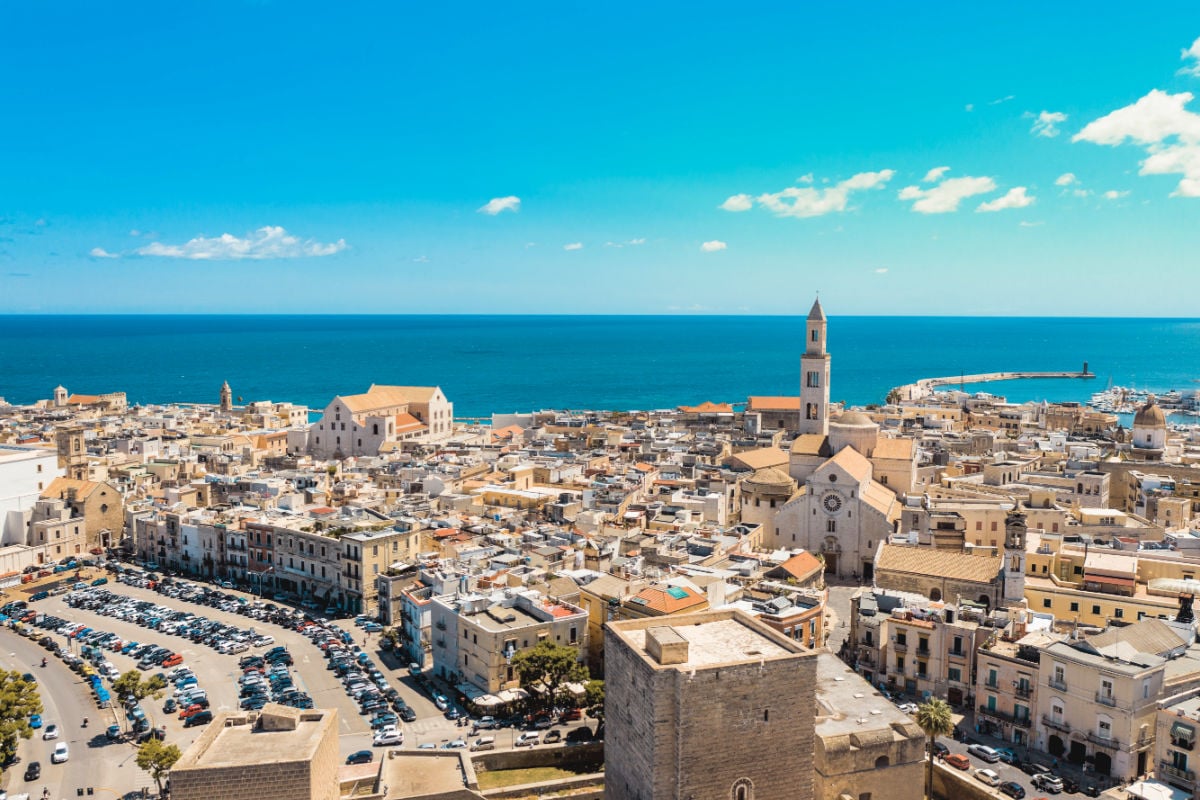
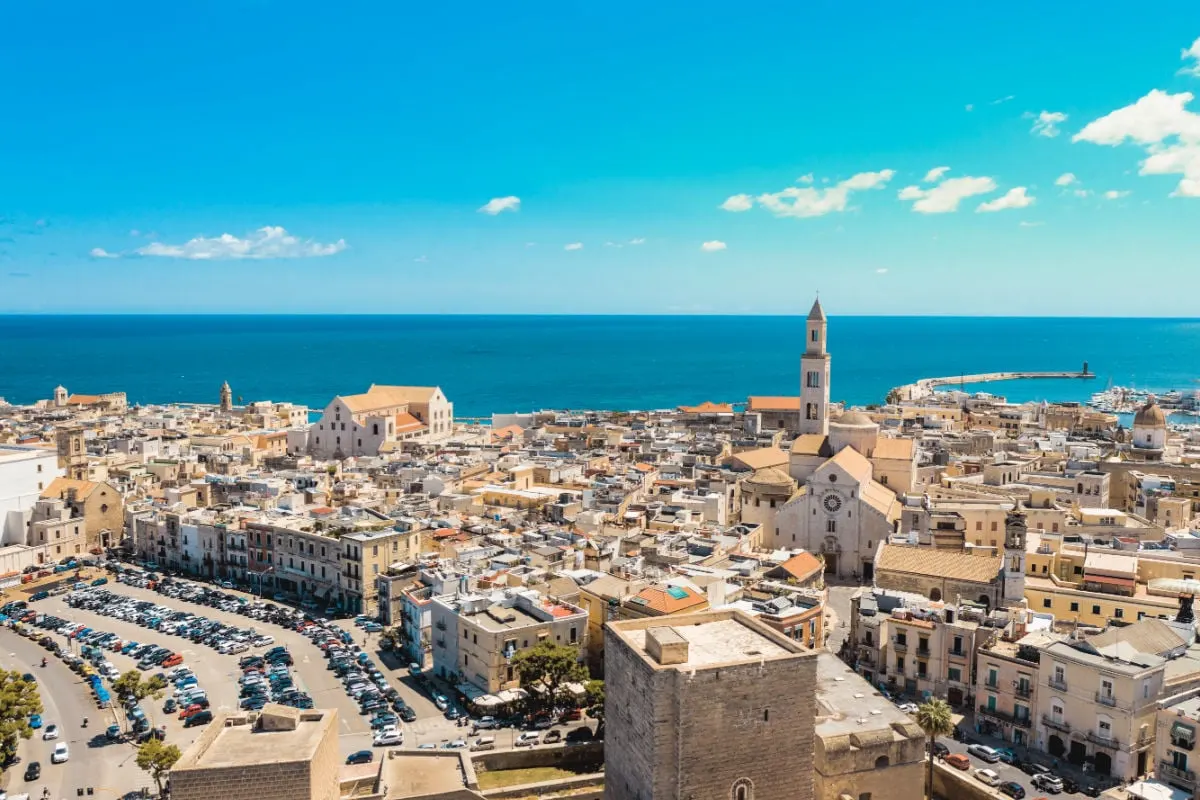
Bari comes in third place with an 85% increase in demand year-on-year. It is one of Italy’s most strategic Adriatic ports and is notable for its labyrinthine old town, known locally as Bari Vecchia: photo narrow, winding alleys, old Romanesque churches and family business trattoria in abundance.
Europe’s longest continuous promenade, Lungomare Nazario Saurostretches for no less than 13 kilometers and offers sea views and cozy waterfront bars, and if you’re wondering what the distinctive Barese pasta is – every Italian town has one – that would be it orecchiette.
Wandering along the cobbled paths Strada delle Orecchietteyou will encounter Italian no making the ear-shaped pasta by hand on their porch.
You can buy a package on the spot, or if you feel like trying it orecchiette made by expert hands, Osteria Le Arpie is only 150 meters from the popular street.
Murcia, Spain


Step aside, Barcelona: the much more relaxed, sunnier and equally beautiful Murcia, in southern Spain, is Europe’s second trendiest getaway this year. With a remarkable 86% increase in Omio searches, it’s firmly on the average traveler’s radar.
Murcia, the capital of the region of the same name, is best known for its stately architecture Plaza Cardenal Bellugawhere the majority of the architectural showpieces are located, including the lavishly decorated cathedral, the 18th-century Episcopal Palace and the modern town hall.
With over 320 days of sunshine per yearIn spring, Spain’s Suntrap is also one of the safest destinations for heat-loving tourists, and its proximity to beaches, especially Playa de Los Alcázares, a stretch of sand just a 35-minute drive away, makes it an easy combination of city and sea.
Segovia, Spain
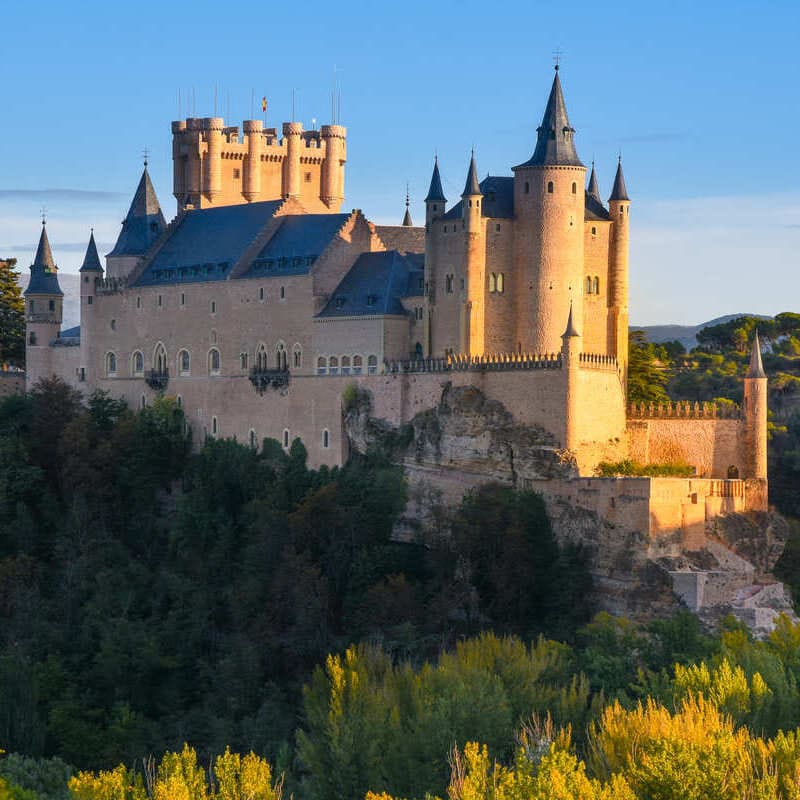
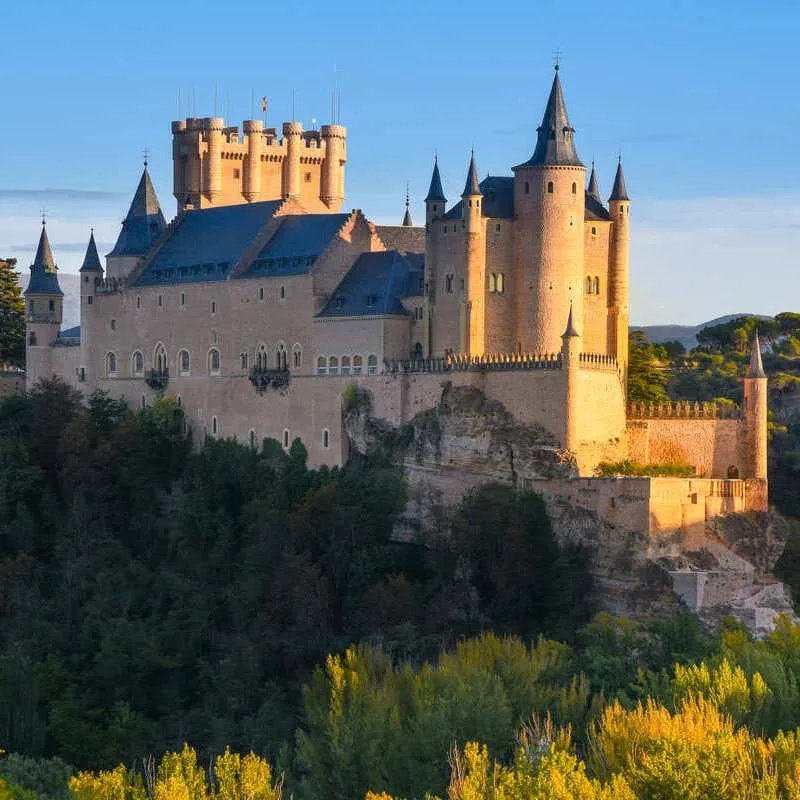
A short 25-minute train ride from Madrid, Segovia is up in searches by 96% year-on-year, which is no surprise considering it’s the quintessential European city break: from Roman ruins to medieval castles and beautiful imperial architecture. it checks all the boxes (and then some).
The Segovia Aqueduct, which surrounds the city center, was built by the Romans in ancient times and is a prominent feature of the city’s timeless skyline.
Rising high above the Plaza Mayor, the cathedral is a Gothic masterpiece with an opulent interior, packed with narrow corridors and café-lined squaresthe Jewish Quarter is a must-see.
Segovia’s pride and joy, and perhaps the main reason why it dominates conversations, is the fact that it Alcazar: the inspiration behind it Walt Disneys Snow White castleThis tower-guarded stronghold sits dramatically atop rocky cliffs, and it truly looks like it belongs in a fairy tale.
1. What is your ideal atmosphere?
2. Choose your fuel:
3. Saturday afternoon plan?

Subscribe to our latest posts
Enter your email address to subscribe to the latest Travel Off Path breaking travel news, delivered straight to your inbox.


