

Share the article
Step aside France, Italy, Spain: there’s a new, cooler kid on the block, one that won’t sink into a crime wave, or for once collapse under the weight of overtourism.
Tucked away in its well-protected, cozy Central-Eastern European corner, Hungary hosted one last year record number of 20 million tourists.
As for foreign visitors, this is a jump of 12 percent compared to 2024, according to the website Hungarian ConservativeAnd because demand is still high, it looks like it will only get warmer in 2026.
Even if you are not a seasoned traveler or true Europhile, Chances are you’ve heard of Budapest.
But if you’re wondering what else Hungary has in store, think of summer lakes lined with holiday resorts, fairytale castles straight out of a storybook, and medieval villages that give the feeling that time has simply… forgotten.
One city to rule them all
Of course, there is no Hungary without its beating heart, the cultural powerhouse and magnanimous former imperial seat that is Budapest.
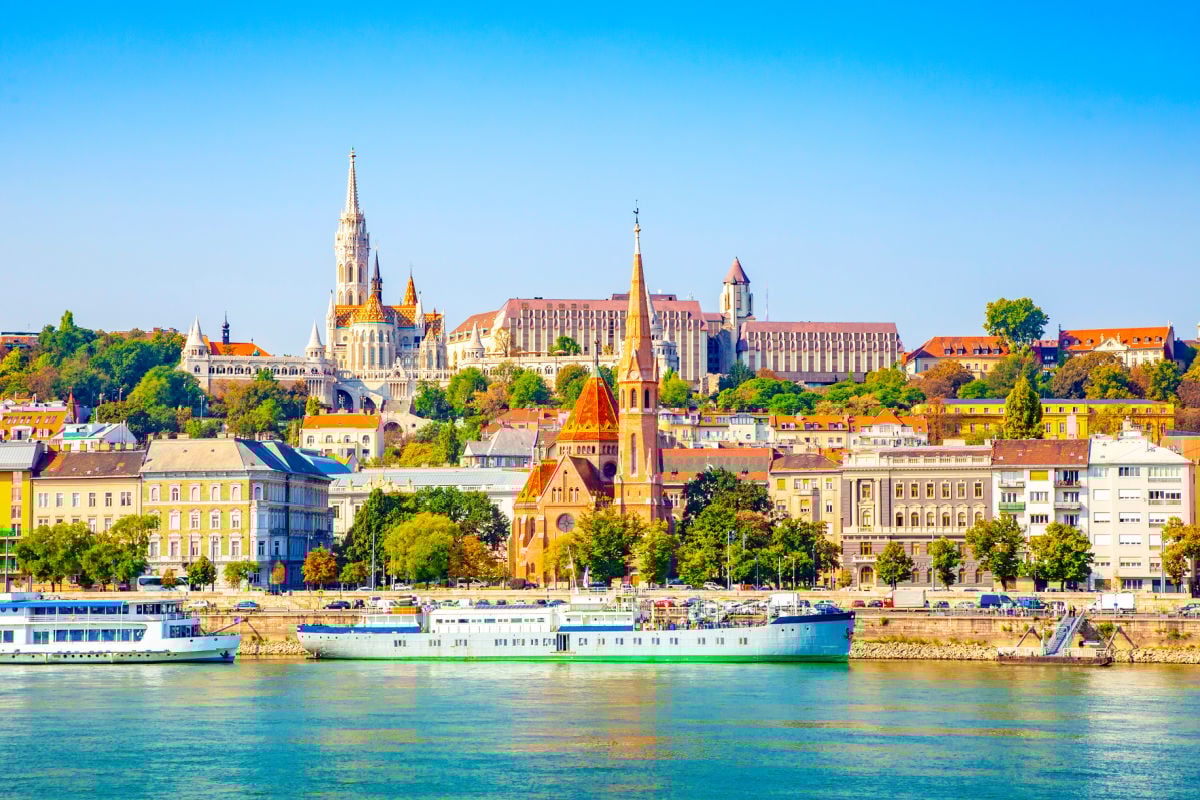
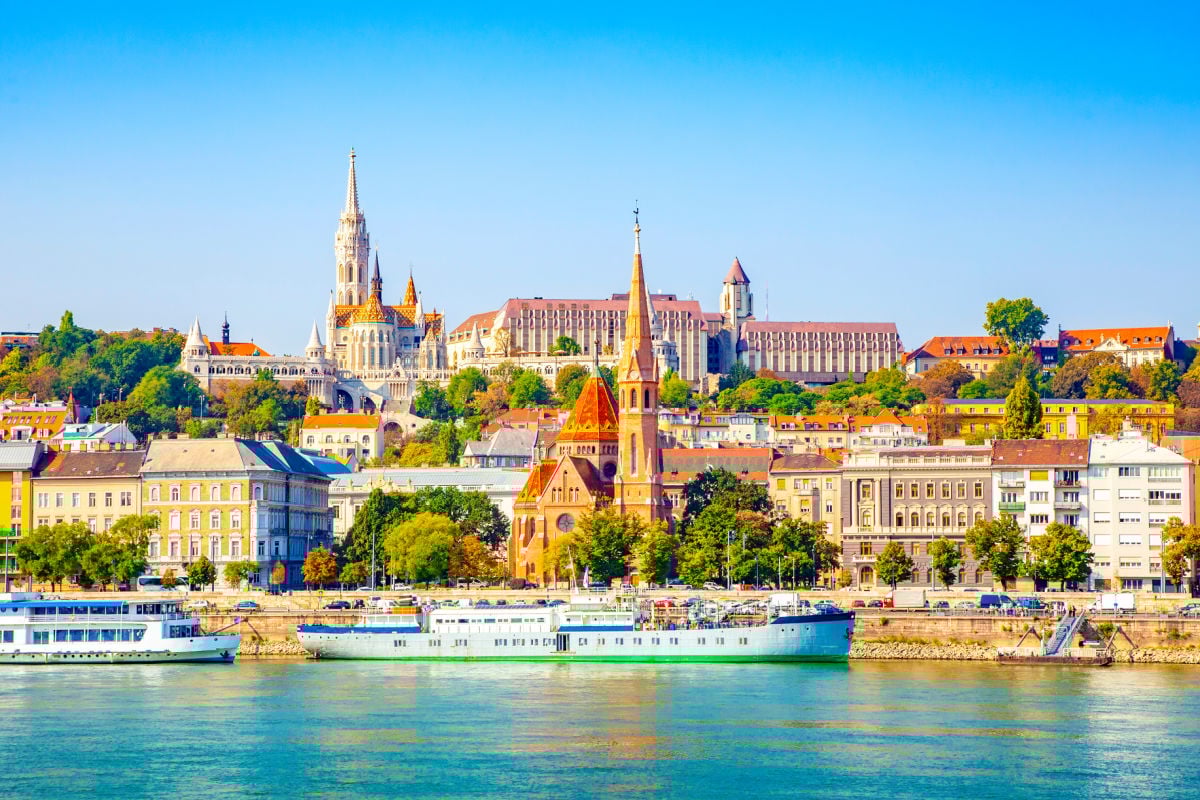
A story about two cities, Buda and Pest, that once lay on opposite sides of the Danube before joining forces. one of the most beautiful European cities you could visit.
Honestly, if you were to stare open-mouthed at those Haussmannian buildings in Paris, or if London were to charm you with its rotting Victorian sheen, nothing can really prepare you for a glorious BUD.
Think of grand boulevards lined with palatial buildings that you would swear are museums, government buildings or luxury hotels, but are actually just apartment complexes dating back to Habsburg times.
Add to that a riverfront straight out of a dream, with soaring domes and spiers reflecting on the fast-moving Danube, plus thermal baths tucked into ornate 19th-century bathhouses, and yes… It’s kind of on a different levelif we are honest.


How safe is Budapest on a night out?
Besides admiring the stunning architecture, be sure to check out Szimpla Kert, the city’s OG “ruin bar,” basically a semi-genius maze in a crumbling building filled with mismatched furniture, loud neon art, bathtubs that double as couches, and graffiti-splattered corners.
The best thing about Budapest is that, unlike some European capitals where crime has increased in recent years, it still exists generally safe and low risk for travelers.
As a woman, you don’t have to be followed home at night by sketchy-looking individuals, nor do you have to constantly glance over your shoulder to make sure there aren’t hooded figures lurking in the shadows.
The U.S. Department of State currently lists it as a Level 1 destination, the safest classification a city can receive.


Pickpockets, violent crime and scams aren’t exactly a big problem in Budapest, but if you’re going somewhere else in Europe, it’s still a good idea to double-check any travel warnings at your destination using the Travel Advisory Checker.
Back to Budapest, it currently enjoys one of the highest safety scores of 87/100 in the Traveler Safety Index for any European capital:
Where the real magic happens
Budapest is grand, but the real magic happens when you take that old rattling train out of the vast capital and in the virtually unspoilt Hungarian countryside.
If you have a soft spot for small villages that look like they jumped out of a storybook, Szentendre has the cobbled streets, pastel-colored baroque houses and quaint riverside cafes serving fresh pastries and artful coffee from the oven.
Unlike the average Disneyfied European hotspot, it’s completely devoid of the usual hordes of selfies.
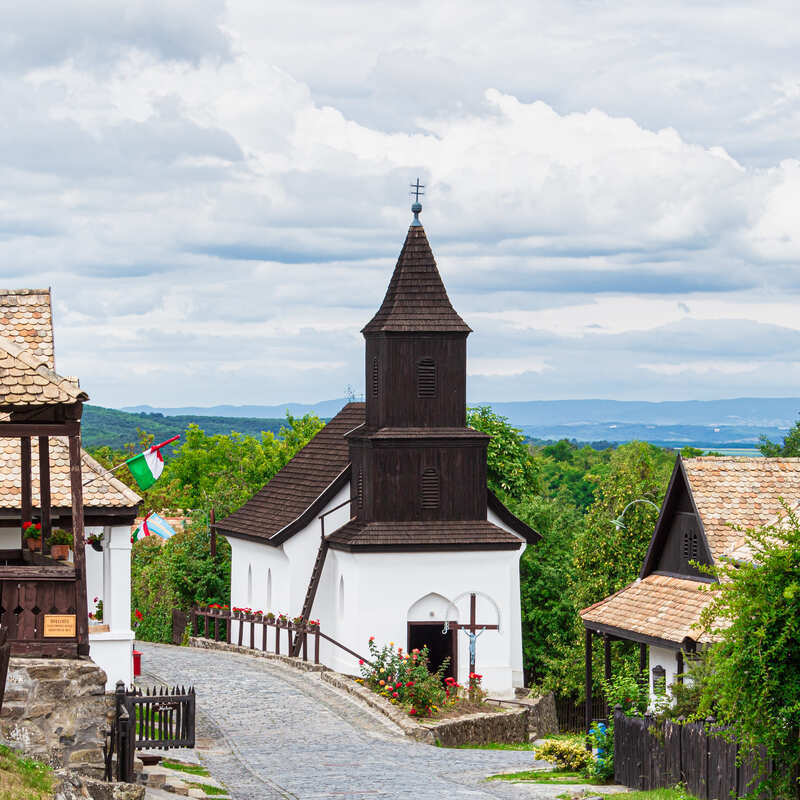
A UNESCO World Heritage Site, Hollókő is a postcard-like city that feels as if time has been frozen. It has perfectly intact wooden medieval churches, whitewashed houses and family-run taverns that keep folk traditions alive.
In Eger, in the heart of the wine country of the same name, you will find one castle town full of wine cellarsmore baroque monuments and thermal baths with half the crowds in Budapest.


If you’re here for all-out medieval drama, unassuming Visegrád may be small but it’s packed with history: it’s home to the ruins of a medieval royal palace and its hilltop citadel overlooks a sharp bend in the Danube. Without a doubt one of the best viewpoints in the entire country.
The most beautiful little town in Hungary, you ask? Tihany is famous for its Benedictine abbey, located on a hill overlooking Lake Balaton, the ‘Hungarian Sea’, and endless lavender fields in summer. It feels just like Provence, minus the hefty price tag.
For those flying to Europe this summer, visit the Entry Requirement Checker to verify you have all your documentation so you can set sailG.
Is Hungary still affordable in 2026?
Speaking of prices: Hungary is not the dirt-cheap destination that mainstream publications would have you believe.


On the other hand, it’s not that we’re surprised, given the already debunked ‘Hidden Gem Marseille’ debacle, but certainly don’t believe everything you read on the internet, especially if it’s written by traditional media that may be 3 to 5 years behind travel trends.
That said, Hungary is affordablealthough Budapest in particular is quickly catching up in terms of costs compared to the Western European capitals.
For example, tickets for the iconic Széchenyi Thermenbad in Budapest have doubled since 2020. The ‘basic’ ticket now costs about $40, without extras. Adding a private cabin, locker, extra towels, or weekend/peak time upgrades can easily add up to $55-$70+ per person.
Cocktails in ruin bars and tourist areas usually cost about $6 – $14 eachand a draft beer in a central pub costs about $3-$5.


It’s still cheaper than most of Western Europe, but it’s certainly a step up from the old ‘super cheap Budapest’ reputation that still lingers.
In hotels and Airbnb you can actually see how BUD and cities like Paris or Rome are actually not that different. Mid-range accommodation will cost you $130-$200/night in high season, while budget hostels are still cheap, but even those have gone up to $25-$60/night in good areas like District V or VII.
As for eating out, a simple local meal costs $8 – $15. A restaurant dinner with drinks costs $25 – $30 per person.


In rural areas, smaller towns are generally cheaper, with meals often costing less than $10, beer or wine ranging from $1.50 to $3, and accommodation from $30.
By the way, if you’re visiting Budapest in the coming months, why not combine it with a trip to the criminally underrated, but equally exciting Belgrade, the capital of Serbia?
There is a new direct train that has just been launched between the sister capitals, and tickets cost around $22 to $38 for a one-way trip.


