


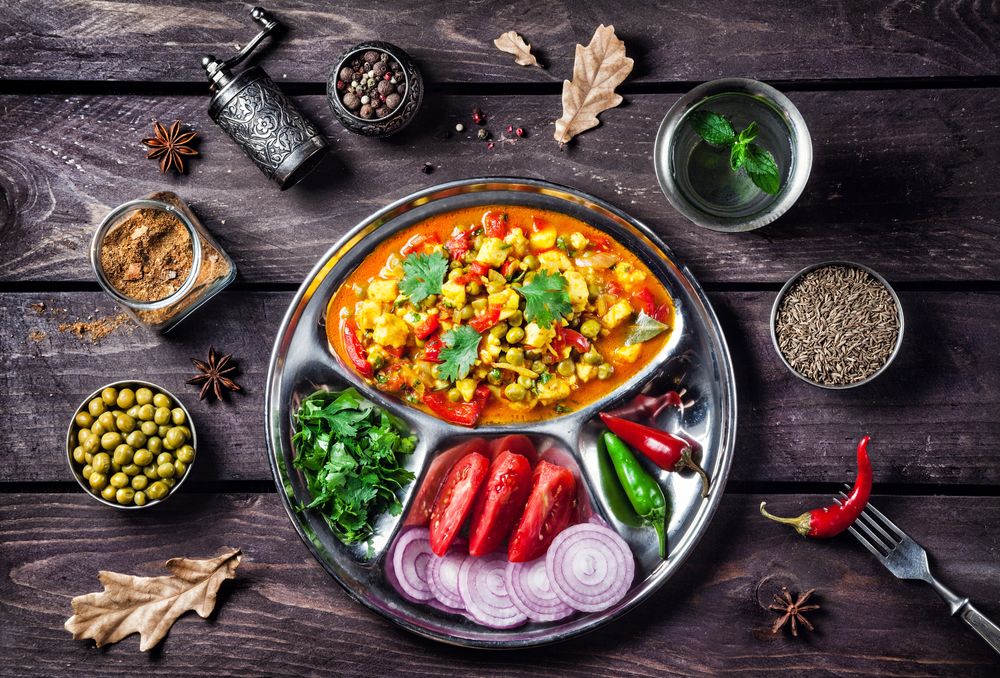
The advantages of adhering to a nutritious diet cannot be overstated. It is evident that maintaining a healthy lifestyle in the long term requires the integration of a balanced dietary plan into your daily routine. This plan is designed to deliver vital nutrients that keep you feeling full and help avoid weight gain.
Understanding your total daily calorie needs and tracking your actual intake is crucial. It’s surprisingly easy to consume a significant number of calories in one sitting without even being aware of it.
If you’re curious about what calories are, think of it this way: just as any machine requires fuel to operate, our bodies need food to function effectively. Food, whether solid or liquid, provides us with calories. To simplify, calories represent a unit of energy, specifically the energy released when our bodies metabolize the food we eat.
Different foods offer varying amounts of calories. Moreover, individual daily calorie needs vary. Factors such as body weight and life stages significantly influence these requirements.
We recommend utilizing tools like the HealthifyMe App to gain insights into your daily calorie requirements. Calories can be derived from both vegetarian and non-vegetarian sources. With India having a substantial vegetarian population (approximately 33%), it’s vital to know how to maintain a balanced vegetarian diet that meets your nutritional needs while staying within your calorie limits.
Are you struggling to meet your calorie and nutrient needs as a vegetarian aiming to lose weight or manage a health condition? Great! You’ve landed in the right place.
Guidelines for a 1500-Calorie Vegetarian Diet Plan
Let’s begin by grasping the fundamentals before delving into the specifics of a 1500-calorie vegetarian nutrition plan.
Morning Snack
Do you often wake up early, eagerly anticipating breakfast? Rest assured, you are not alone.
Here’s a helpful hint: aim to eat within 30 minutes of waking. Having an early breakfast boosts your energy levels throughout the day and helps you avoid severe headaches and cravings.
If you find yourself hungry right after waking, consider adopting a strategy of smaller, more frequent meals. This approach means breaking down your daily meals into smaller portions but consuming them more often. Tune into your body’s signals, and you’ll discover what works best for you.
Breakfast
Are you pondering what to prepare for breakfast that is both satisfying and nutritious? We recommend opting for a traditional breakfast menu while keeping portion sizes in check.
Mid-Morning Snack
Consider selecting a nutrient-dense snack. Additionally, incorporating a hydrating beverage can ensure you remain satiated. Staying adequately hydrated during a busy workday can make a significant difference.
Lunch
We advise maintaining a light lunch to prevent feelings of lethargy or drowsiness for the rest of the day, while still being substantial enough to avoid hunger shortly after eating.
Injecting variety into your lunch can help stave off that afternoon slump, especially if you’re working. For instance, choose between roti or rice, which can prevent overeating while you’re distracted by work.
Limit unnecessary calories by selecting items that will keep you full longer. Another vital aspect is including a healthy fat source; ghee is an excellent option. These beneficial fats enhance the flavor of your meals and promote a feeling of fullness, delaying gastric emptying.
Evening Snack
Evening snacks can be simple—just grab a piece of fruit and some nuts. It’s best not to over-snack, as you want to prepare your body for an early dinner.
If you plan to have a late and light dinner, focus on consuming a more substantial, nutrient-rich snack in the evening. This strategy will help prevent overeating at dinner. Remember to keep portions small to maintain your energy levels and help you tackle the remainder of your day with enthusiasm.
Dinner
Your dinner can be akin to your lunch. If you eat dinner about an hour before bedtime, we suggest consuming only half the portion of what you had for lunch.
Conversely, if you have a 2-3 hour gap between dinner and bedtime, feel free to enjoy your meal with your family. However, make sure to keep your evening snacks light in this scenario.
Summary
It is advisable to keep your breakfast, lunch, and dinner small and light. This minor adjustment helps prevent overeating. Alternatively, if you prefer sticking to three main meals with no snacks, that’s perfectly fine too. Regardless of how many meals you consume daily, focus on incorporating a diverse range of food groups, such as grains, legumes, lentils, vegetables, fruits, dairy, nuts, and oilseeds. However, avoid anything that comes packaged.
1500-Calorie Vegetarian Diet Plan
Breakfast
Vegetable besan omelette paired with one slice of whole wheat or multigrain bread.
Mid-Morning Snack
One small apple or pear.
Lunch
One cup of mixed bean curry served with one cup of brown rice.
One cup of mixed vegetable salad.
Afternoon Snack
Carrot sticks accompanied by two tablespoons of hummus.
Dinner
Grilled tofu or low-fat paneer with a stir-fry of mixed vegetables and half a cup of quinoa.
Bedtime
One glass of low-fat turmeric milk.
HealthifyMe Recommendations
Making simple yet effective choices in your diet can help replace less nutritious foods with healthier options. This approach will assist you in sticking to your 1500-calorie diet plan, yielding positive results in weight loss and overall health.
For instance, consider swapping white rice for brown rice, millet, or quinoa. Opt for veggie sticks with hummus instead of reaching for chips or namkeen. Use homemade salad dressings rather than store-bought ones, choose buttermilk or whole fruits over fruit juices, and include homemade yogurt with fruits instead of flavored yogurts from the store.
These straightforward food substitutions can help you reduce sugar, salt, and fat in your diet, enabling you to achieve your goals more efficiently.
Conclusion
Practicing mindful eating will always serve you well in the long run. While tracking your daily calorie intake might seem daunting, it’s quite manageable. Regulating the number of calories you consume daily is not rocket science, and you don’t need to go to extremes to stay fit, lose weight, or manage a health condition.
Listening to your body’s signals is essential for managing your health, whether it pertains to eating, exercising, or your sleep patterns. The key takeaway is that there are no strict rules regarding how much or how frequently you should eat. You don’t have to eat every two hours or fast to lose weight. Instead, minor adjustments to your regular diet can yield significant benefits.
This concludes our overview of the 1500-calorie vegetarian diet plan. We hope this information equips you with the knowledge to plan your meals effectively and provides insights into the principles of healthy eating and maintaining wellness.
Disclaimer: This article aims to share knowledge and raise awareness. It does not replace professional medical advice. For more information, please reach out to our certified nutritionists Here
Frequently Asked Questions (FAQs)
Q. What does a 1500-calorie vegetarian diet plan entail?
A 1500-calorie vegetarian diet plan is structured to provide approximately 1500 calories daily, emphasizing plant-based foods. It incorporates a diverse range of vegetables, fruits, whole grains, legumes, nuts, and seeds to fulfill the nutritional requirements of vegetarians.
Q. Can I obtain all necessary nutrients on a 1500-calorie vegetarian diet?
Yes, it’s entirely feasible to meet all essential nutrient needs on a 1500-calorie vegetarian diet. However, meticulous meal planning is crucial to ensure adequate intake of protein, iron, calcium, vitamin B12, omega-3 fatty acids, and other vital nutrients. Consulting a registered dietitian can assist in formulating a balanced vegetarian meal plan.
Q. What are some excellent protein sources for vegetarians on a 1500-calorie diet?
Vegetarians can derive protein from numerous plant-based sources, including legumes (beans, lentils, chickpeas), tofu, tempeh, seitan, edamame, quinoa, Greek yogurt, cottage cheese, nuts, and seeds. These foods can be integrated into meals and snacks to meet the protein needs of a 1500-calorie vegetarian diet.
Q. How can I include healthy fats in a 1500-calorie vegetarian diet?
Healthy fats can be sourced from ingredients like avocados, nuts (almonds, walnuts), seeds (chia seeds, flaxseeds), olive oil, coconut oil, and nut butter. Incorporating these elements into meals—such as using avocado in salads, sprinkling nuts and seeds on yogurt or oatmeal, and utilizing healthy oils for cooking—can provide the necessary healthy fats.
Q. Is taking vitamin B12 supplements essential for a vegetarian diet?
Yes, it is strongly recommended for vegetarians, particularly vegans, to take vitamin B12 supplements or consume fortified foods. Vitamin B12 is primarily found in animal products, making it challenging to obtain sufficient amounts from plant-based sources alone. It’s advisable to consult a healthcare professional to determine the appropriate dosage of vitamin B12 supplements tailored to your individual needs.
Q. Is it possible to lose weight on a 1500-calorie vegetarian diet?
A 1500-calorie vegetarian diet can facilitate weight loss, provided it creates a calorie deficit, meaning you consume fewer calories than you expend. Emphasizing nutrient-dense foods, minimizing processed foods and sugary beverages, and engaging in regular physical activity are essential for achieving weight loss objectives while maintaining good health.
By: Parul Dube, Masters of Medical Science in Public Health Nutrition
Medically Reviewed By: Nahida Wankhade


