


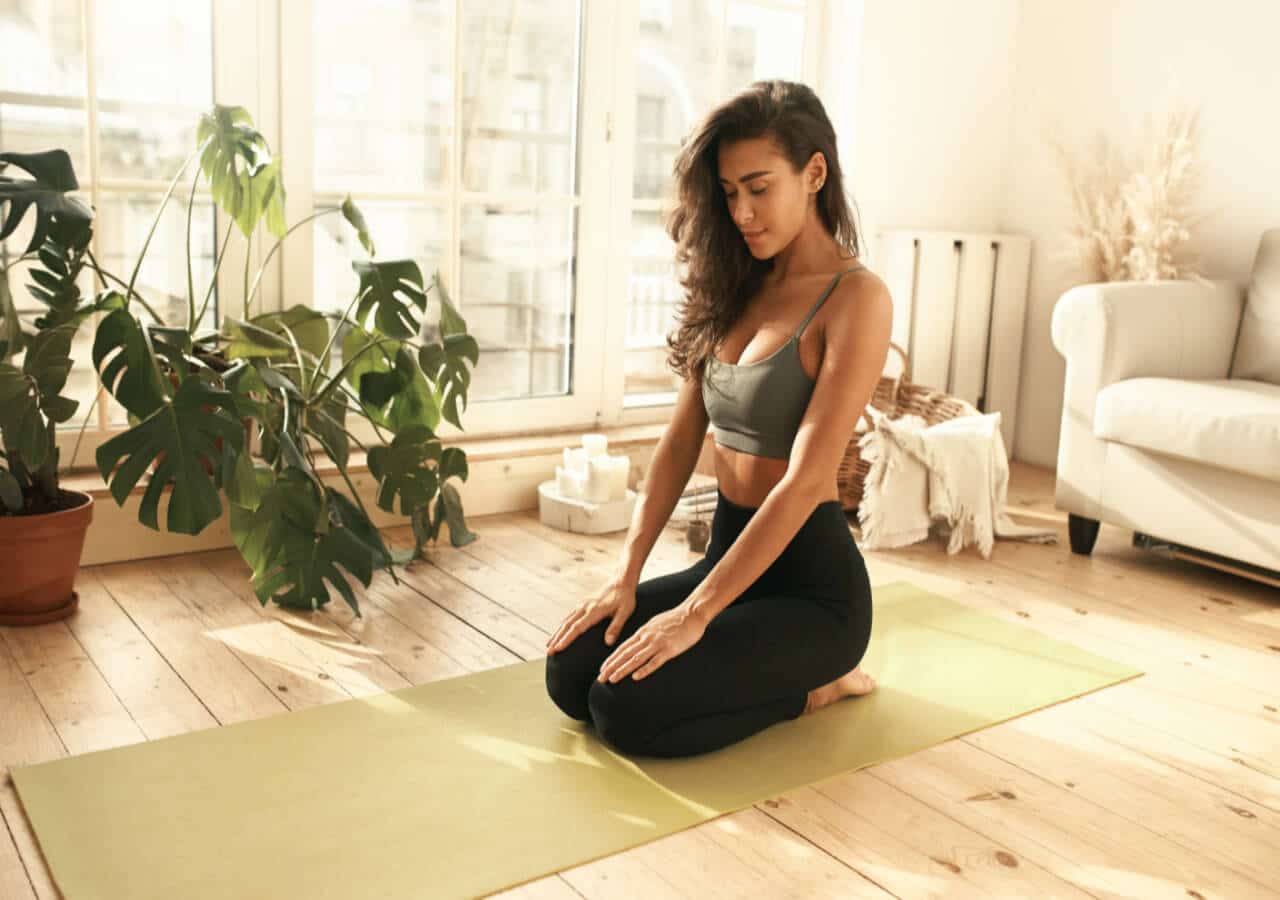
Vajrasana is derived from two Sanskrit terms – ‘vajra’, meaning thunderbolt, and ‘asana’, which translates to posture. In Hindu mythology, ‘vajra’ represents the formidable weapon of Lord Indra and symbolizes strength and invincibility.
Asana, on the other hand, refers to a specific posture in yoga. Vajrasana is recognized as one of the simplest asanas, making it ideal for beginners. This pose not only enhances physical strength but also promotes mental tranquility.
What is Vajrasana?
Commonly known as the thunderbolt or diamond pose, Vajrasana stands out as one of the most straightforward yoga asanas. It is believed to bestow the body with the strength akin to that of a diamond.
This asana is often regarded as the most effective remedy for various stomach issues. Uniquely, it is the only yoga posture that can be practiced right after eating.
Individuals of all ages can easily perform this asana, which offers extensive health advantages, fortifying digestive organs and enhancing overall health. Additionally, it aids in elongating the spine, thereby improving posture.
Different Names of Vajrasana
- Adamantine Pose
- Pelvic Pose
- Thunderbolt Pose
- Diamond Pose
- Kneeling Pose
Steps to Perform Vajrasana Pose
Though Vajrasana is straightforward, executing it correctly is crucial. Adhere to the following steps to master this diamond pose.
1 – Begin by sitting on a flat surface or yoga mat.
2 – Bend your knees and ankles backward, ensuring your feet are aligned with your legs, with the soles facing upward and the big toes touching.
3 – Your buttocks should rest on your heels, and your thighs should press against your calves.
4 – Keep your spine, neck, and head aligned in a straight line.
5 – Maintain a straight head while gazing forward, keeping your chin parallel to the ground.
6 – Position your right palm on your right knee and your left palm on your left knee, ensuring your elbows are aligned.
7 – Close your eyes and begin deep breathing. Inhale deeply for four counts, then exhale slowly for eight counts.
8 – To exit the Vajrasana, gradually lift your glutes and thighs, returning to a kneeling position, and stand up slowly.
Duration of Vajrasana Pose
If you’re just starting, aim to practice Vajrasana for about 3-4 minutes. As you gain experience, extend the duration to 5-7 minutes. Depending on your comfort and strength, you can gradually increase your practice to 15-20 minutes or even longer.
You can perform this diamond pose after meals or even on an empty stomach.
8 Health Benefits of Vajrasana Pose
Vajrasana offers a plethora of health benefits. Regularly practicing this asana can significantly enhance both your physical and mental well-being.
Pairing slow, rhythmic breathing with the pose can amplify the benefits associated with this exceptional yoga practice.
1. Vajrasana Improves Blood Circulation
Vajrasana is excellent for enhancing blood circulation, particularly within the pelvic region.
Incorporating breathing exercises during this practice effectively regulates blood flow throughout the body.
2. Vajrasana Improves Posture
This asana necessitates a firm and straight back, which contributes to better posture and amplifies the benefits derived from it.
3. Vajrasana Improves Digestion
Vajrasana actively stimulates the digestive organs, such as the stomach, intestines, and pancreas. It redirects blood flow from the legs and thighs to the stomach region, enhancing bowel movements and alleviating constipation.
Research indicates that Vajrasana can also aid in reducing flatulence and acidity, promoting better nutrient absorption. It is particularly beneficial to practice this pose after meals, as it supports digestion.
4. Vajrasana Provides Relief from Lower Back Pain
By strengthening the lower back muscles, Vajrasana can alleviate occasional discomfort and pain.
Additionally, it can help relieve pain associated with sciatica. Studies suggest that consistent practice of Vajrasana strengthens the lower back.
5. Vajrasana Strengthens Pelvic Floor Muscles
According to research, Vajrasana enhances blood circulation in the pelvic area, thereby strengthening the pelvic floor muscles. This is particularly beneficial for women experiencing stress urinary incontinence.
6. Vajrasana Helps to Calm the Mind
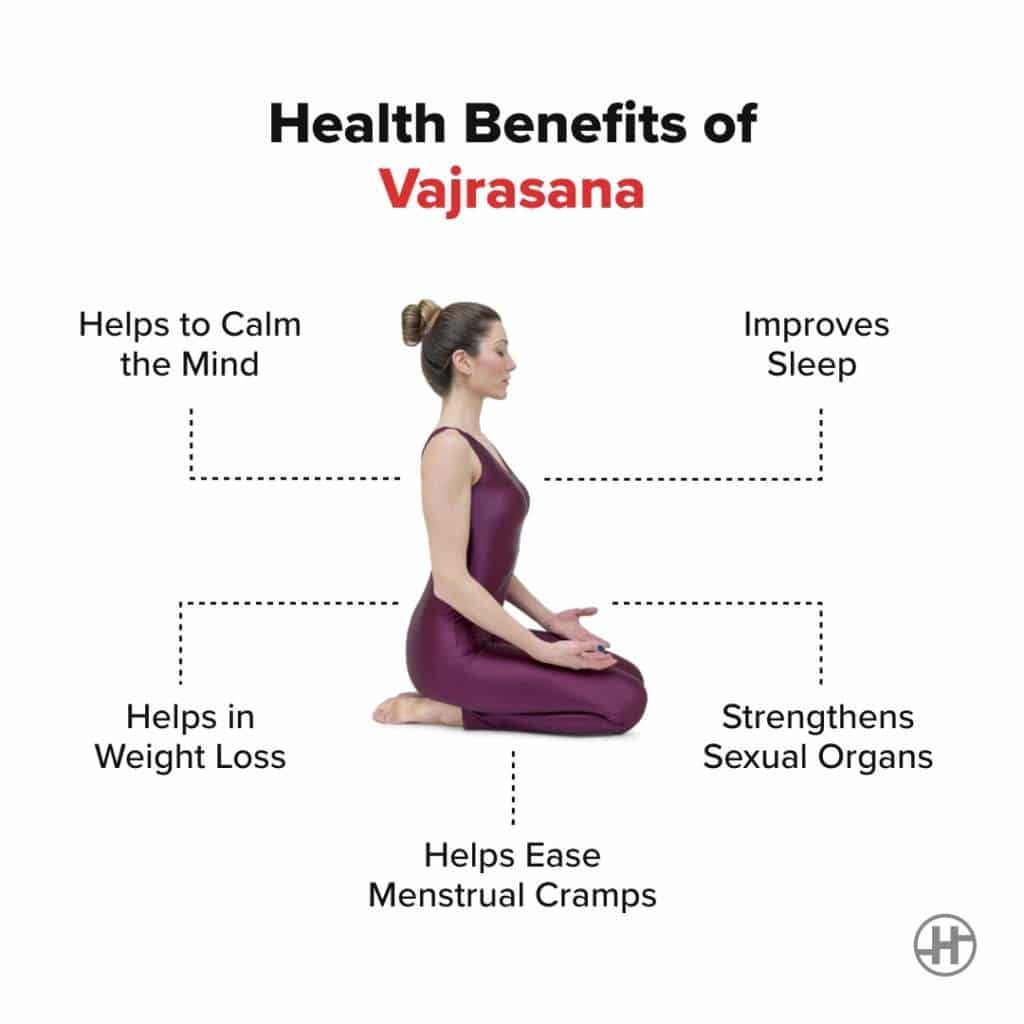
Regularly practicing Vajrasana can reduce stress and enhance concentration.
Research shows that Vajrasana can help manage depression and anxiety. This asana has a calming and grounding effect on the mind, promoting relaxation and tranquility, which in turn enhances sleep quality and overall life.
7. Vajrasana Helps in Weight Loss
Consistent practice of Vajrasana can aid in weight management. It boosts metabolism and digestion, contributing to maintaining a healthy weight.
8. Vajrasana Strengthens Sexual Organs
This pose improves blood circulation and nourishes the reproductive organs in both men and women, thereby enhancing sexual health. Furthermore, it positively affects reproductive health and can improve sexual performance.
Scientific studies indicate that Vajrasana can alleviate menstrual cramps by enhancing blood flow in the pelvic region.
Summary
Vajrasana is a highly beneficial yoga pose that boasts numerous health benefits. It promotes better blood circulation, especially in the pelvic area, and aids digestion. By improving posture, it enhances the effectiveness of its benefits. Vajrasana fortifies the lower back and pelvic floor muscles, alleviating pain and bolstering sexual organs. Additionally, it calms the mind, reduces stress, improves sleep, assists in weight management, and eases menstrual cramps. Consistent practice of Vajrasana contributes to overall well-being and reproductive health, making it a valuable addition to your wellness routine.
Precautions for Performing Vajrasana Pose
- Avoid performing Vajrasana if you experience knee pain due to any medical condition or have recently undergone knee surgery.
- Pregnant women may practice Vajrasana, but should maintain a wider gap between their knees to prevent pressure on the abdomen.
- Individuals with hernias or intestinal issues should practice Vajrasana only with the supervision of a qualified yoga instructor.
- Those with back problems, such as a slipped disc, should refrain from performing this asana.
- People with stiffness or other issues in the feet, ankles, or knees should avoid Vajrasana.
- Individuals suffering from severe arthritis should not practice Vajrasana.
A More Intense Version of Vajrasana
An advanced variation of the basic Vajrasana is called ‘Supta Vajrasana’ or the reclined thunderbolt pose. To execute this version, follow these steps:
- Begin by sitting in Vajrasana, then gently recline backward without any sudden movements.
- Place one forearm and elbow on the ground, followed by the other.
- Allow your back to curve while your head touches the floor.
- If touching your head to the floor is difficult, place just the crown of your head on the ground.
- Practice this variant only under the guidance of a certified yoga instructor.
- This advanced pose aids in respiration, increases blood flow to the brain, and activates the adrenal glands.
HealthifyMe Suggestion
Yoga is an ancient discipline believed to have originated in India.
As a powerful practice, yoga enhances physical strength, mental capabilities, stamina, and lung capacity. It provides significant benefits for both men and women, particularly in improving hormonal balance in women. Various studies have shown that yoga can alleviate menstrual cramps and assist with conditions such as PCOS.
With consistent yoga practice, you can boost your flexibility and muscle strength.
Conclusion
Vajrasana is not only one of the simplest yoga asanas but also one of the most beneficial. It serves as an effective meditative position for achieving higher levels of concentration.
Many yogis remain in this pose for extended periods during meditation and ‘Dhyaan.’ This posture is also integral to numerous prayer rituals, highlighting the calm and serenity it imparts to the mind.
What makes Vajrasana particularly unique is that, unlike other yoga poses, it can be performed immediately after a meal. It is most effective when practiced with a full stomach, as it aids in digestion.
Vajrasana serves as a foundational pose for multiple other asanas, including Gomukhasana, Ustrasana, and Shirshasana.
This asana is suitable for individuals from all walks of life; however, it is essential to take precautions if you have knee issues or leg injuries. Always consult your yoga instructor before practicing Vajrasana.
This asana is an excellent starting point for anyone beginning their yoga journey. Just a few minutes in Vajrasana can yield remarkable health benefits. So, grab your yoga mat, settle into Vajrasana, and enjoy the multitude of health advantages this yoga pose offers.
Disclaimer: The information provided in this article is intended solely for educational purposes and should not be considered a substitute for professional medical advice.
Vajrasana – Frequently Asked Questions (FAQs)
Q. What is Vajrasana?
Vajrasana, also referred to as Thunderbolt or Diamond pose, is among the simplest yoga asanas. It is particularly effective for addressing stomach-related issues. Unlike other asanas, Vajrasana can be practiced immediately after a meal and is accessible to individuals of all ages, offering extensive health benefits and enhancing overall body strength.
Q. What are the different names of Vajrasana?
The different names of Vajrasana include Adamantine Pose, Pelvic Pose, Thunderbolt Pose, Diamond Pose, and Kneeling Pose.
Q. How long can one perform Vajrasana?
For beginners, it’s advisable to practice Vajrasana for 3-4 minutes. With experience, you may extend your duration to 5-7 minutes. Vajrasana can be performed after meals or even on an empty stomach. Depending on your comfort level and strength, the duration can be increased to 15-20 minutes or more.
Q. Does performing Vajrasana improve digestion?
Yes, practicing Vajrasana significantly benefits the digestive system. It reduces blood flow to the legs, redirecting it to the stomach area, which enhances bowel movements and alleviates constipation. Additionally, Vajrasana can help eliminate flatulence and acidity, ensuring better nutrient absorption. It is particularly beneficial to practice this pose after meals to aid digestion.