


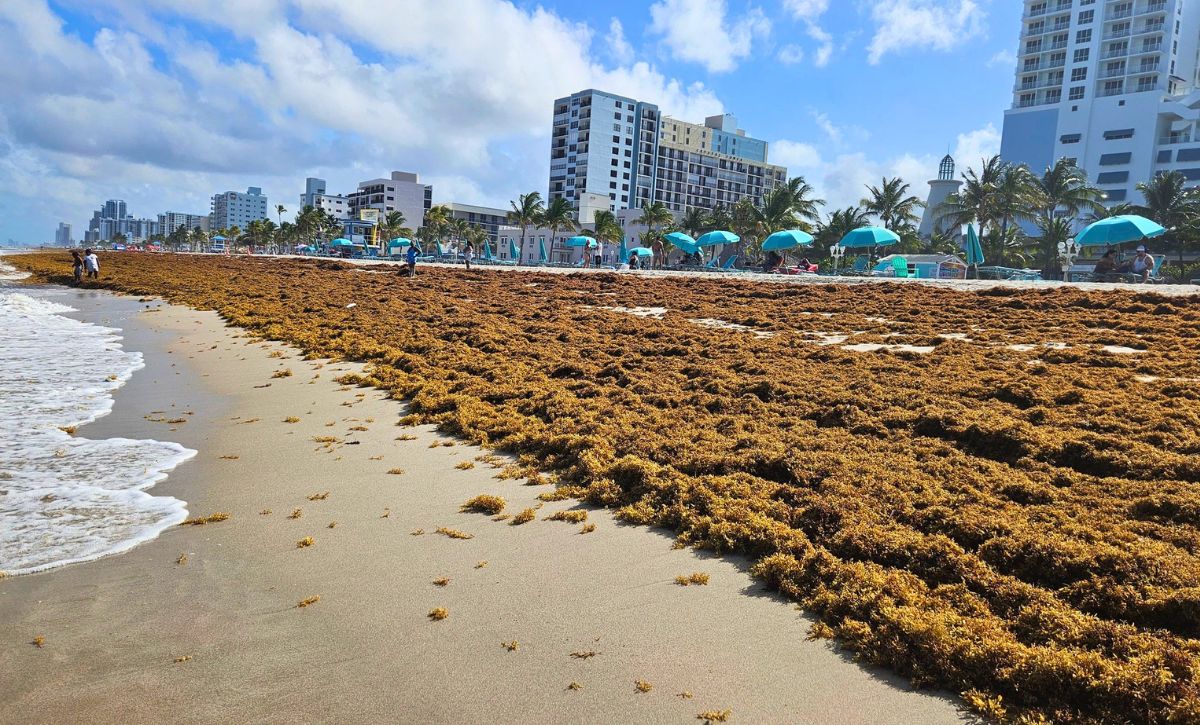
The upcoming 2026 sargassum season is anticipated to be the most severe on record. As the Atlantic hurricane season commences on June 1 and the seaweed’s peak months approach, the brown algae predicament is no longer confined to the Mexican Caribbean but has also extended to Florida’s beaches.
Image Credit: Kristen Cooper / FB Group Florida Sargassum Reports + Daily News
Unprecedented Blooms Across the Atlantic
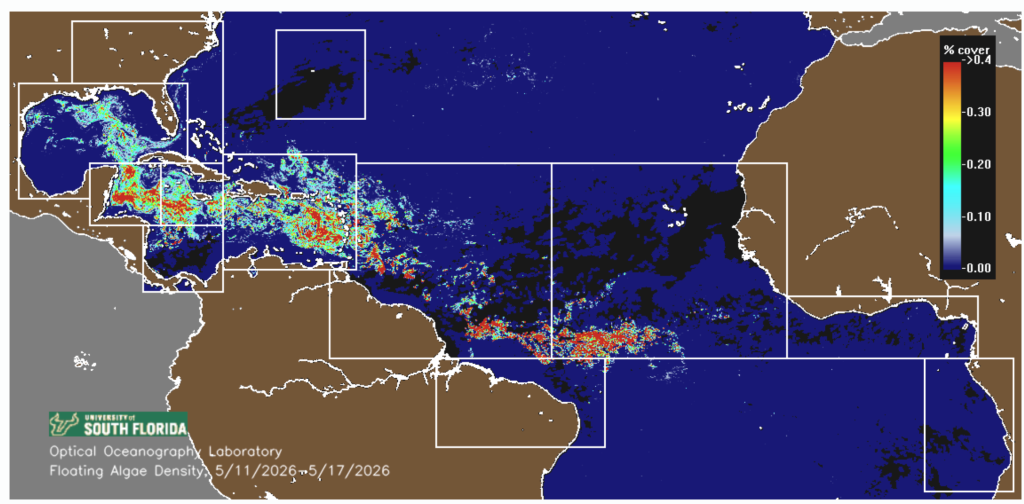
Data from the University of South Florida’s Sargassum Watch System via satellite reveals a significant surge in the floating macroalgae across every region it monitors, with many regions setting monthly records this spring.
According to a report by WGCU, USF scientists predict that 2026 is likely to break records by summer. They describe a band extending across the entire Caribbean Sea and moving into the Gulf, with beaching events expected to escalate during the peak months of June to August.
The season kicked off unusually early, with sargassum first appearing on the Mexican Caribbean coastline in January, months ahead of the usual timeframe, as observed by monitoring organizations tracking the blooms.
From Mexico’s Shores to the Florida Keys
In Quintana Roo, multiple northern beaches have been marked as “red zones,” with Playa del Carmen alone clearing over a thousand tons of sargassum in the early months of the year. Despite the Mexican Navy deploying ships, skimmers, and offshore barriers, the sheer volume of seaweed makes containment only partially effective.
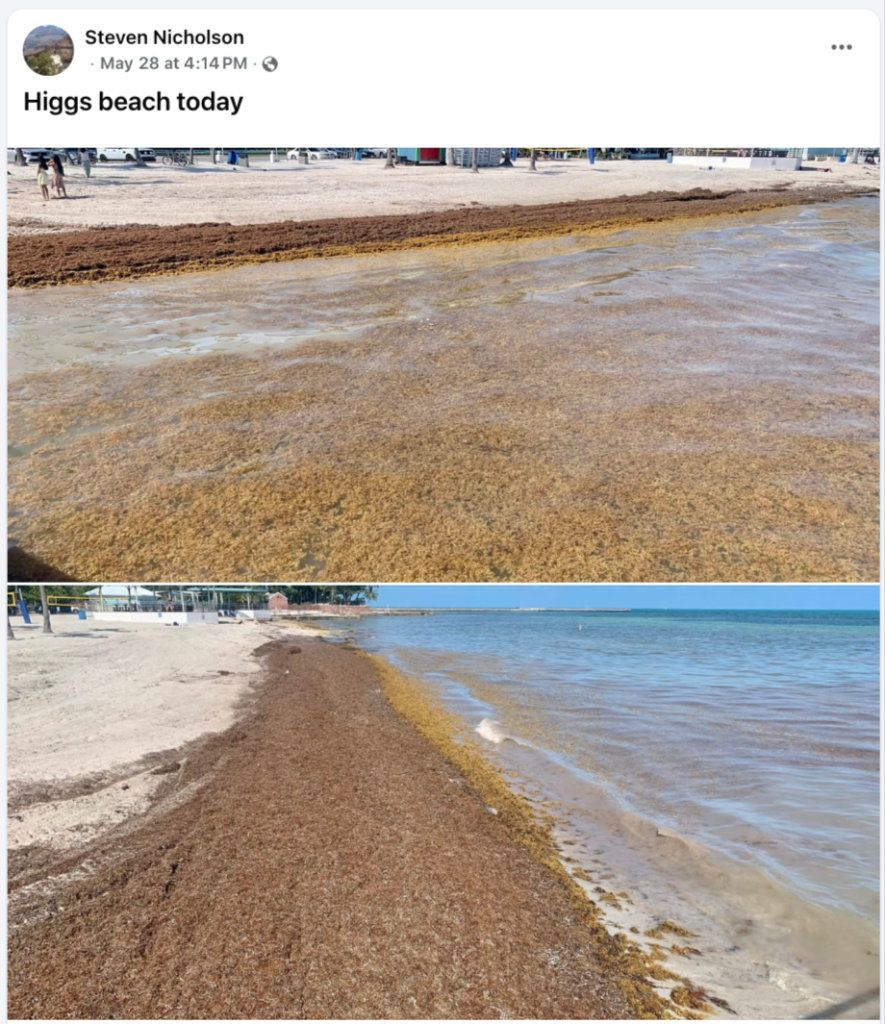
An overlooked aspect is that southeast Florida and the Florida Keys are also grappling with excessive sargassum. When the seaweed decomposes on the shore, it emits hydrogen sulfide, a foul-smelling gas that can irritate respiratory passages and has been deterring beach visitors for more than a decade.
Impact on Beach-Goers
Beach conditions vary significantly from one mile to the next, with some beaches remaining pristine while others are heavily affected. Protected, west-facing beaches like Playa Norte on Isla Mujeres and Cozumel’s leeward coast typically experience less sargassum accumulation, whereas open, east-facing beaches such as Tulum and Playa del Carmen face the brunt of the seaweed influx. Real-time satellite-based trackers now offer updates throughout the day, allowing travelers to assess specific beaches before making plans.
Researchers emphasize that while sargassum is a natural phenomenon and beneficial in the open ocean, the issue lies in the sheer volume washing up on shore. For the summer of 2026, the best approach is to remain flexible: choose sheltered beaches, rely on resort amenities and clean-up crews, and stay informed about forecasts as the peak season approaches.