


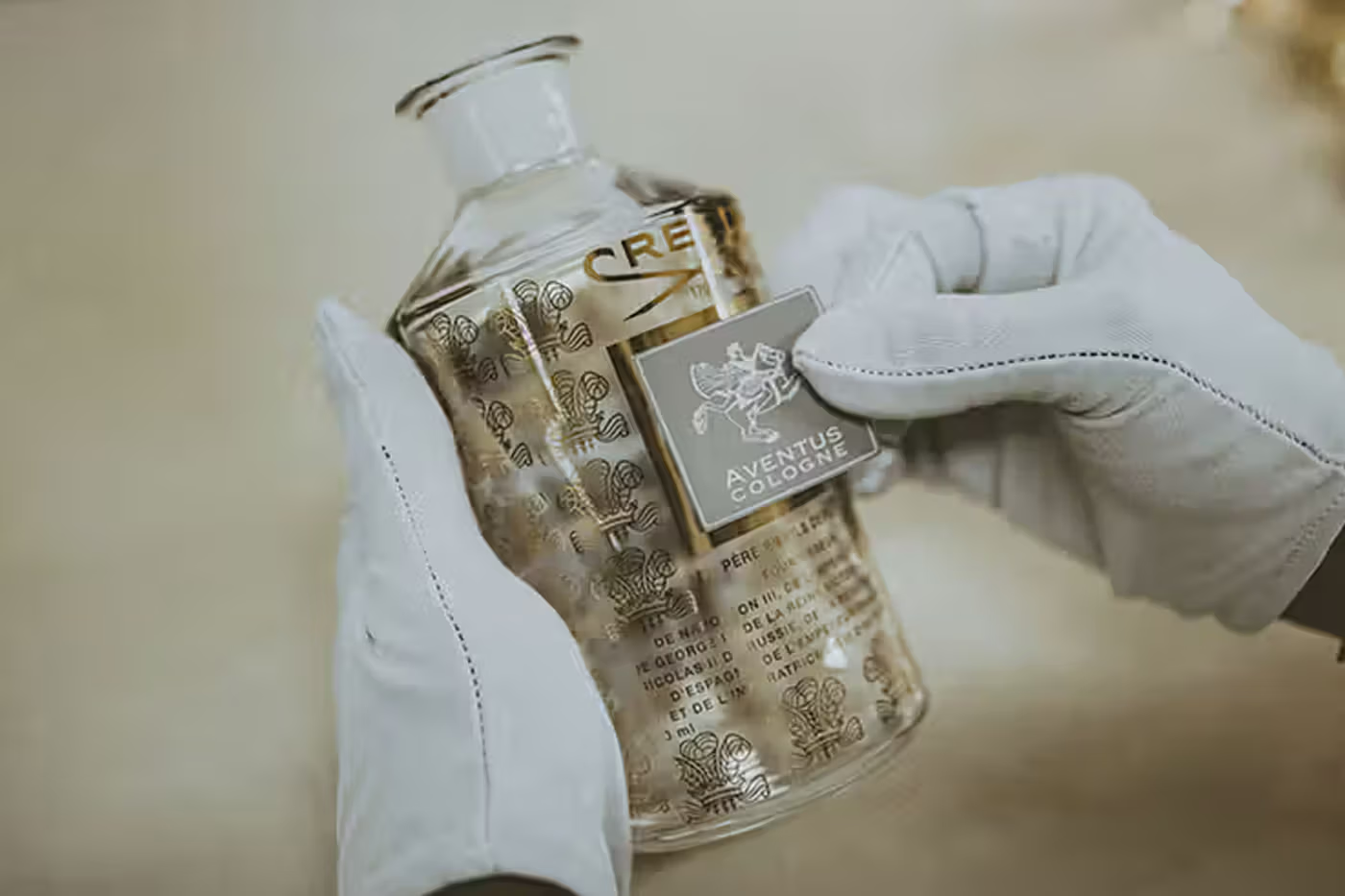
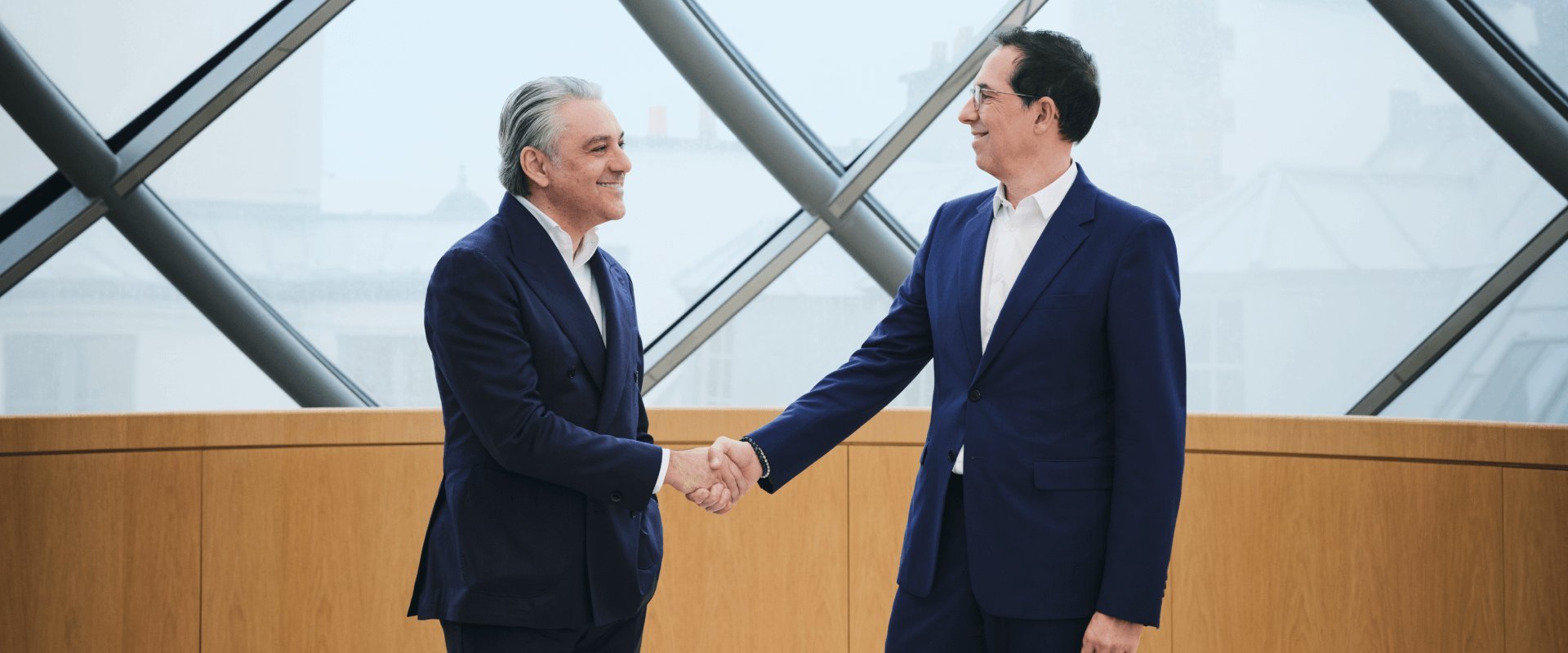
Beauty conglomerates are making acquisitions all the time. Most of them barely move the needle. On March 31, 2026, L’Oréal and Kering announced the completion of a deal truly different in scale and implication: a €4 billion cash transaction that hands L’Oréal the House of Creed, in addition to 50-year exclusive licenses for Bottega Veneta and Balenciaga fragrance and beauty products. The deal was first announced in October 2025. The regulatory process is now behind it. What happens next is what the industry has been waiting for.
This surpasses L’Oréal’s purchase of Aesop in 2023 for $2.5 billion, making it the largest acquisition in the company’s history. The price alone indicates how seriously both parties view the opportunities. But the more interesting number is fifty, as in years. The licensing agreements associated with this deal are not short-term partnership agreements. They are a generational commitment to building something that will outlast the people who signed the contracts.
What L’Oréal actually gets
Must read: Kering and L’Oréal complete acquisition, Fenty Beauty Partners with WhatsApp https://t.co/jwojHi7jzt
— Fashionista.com (@Fashionista_com) April 1, 2026
The most important asset is the House of Creed. Creed is one of the world’s leading luxury perfume houses, and its inclusion in the deal gives L’Oréal immediate credibility at the top of the prestigious perfume market. This is not a brand that needs to be built. It’s a brand that needs to be managed properly, which is a different and arguably more difficult challenge.
In addition to Creed, L’Oréal guarantees a 50-year warrantyexclusive licenses to create, develop and distribute beauty and fragrance products under the Balenciaga and Bottega Veneta brands. Both are among the most culturally powerful fashion names active today. Balenciaga’s presence in fragrances has grown, and Bottega Veneta’s low-key, luxury positioning translates naturally into beauty.
L’Oréal has also acquired a 50-year exclusive license to Gucci, which will come into effect when Gucci’s existing agreement with Coty expires. That Gucci clause is worth mentioning separately: it’s a long-term gamble that the brand’s beauty potential hasn’t yet been fully realized under the current arrangement.
The deal is structured as a cash settlement, with L’Oréal paying royalties to Kering under the ongoing agreement.
Why L’Oréal wanted this
The takeover fits into a very clear strategic logic. L’Oréal Luxe has already grown Yves Saint Laurent’s beauty activities from 649 million euros to 2 billion euros in twenty years. That track record is the implicit argument why BalenciagaBottega Veneta and Gucci are better placed in L’Oréal’s hands than anywhere else. The company has proven that it can take over the beauty license of a fashion house and turn it into a truly important company over time.
CEO of the L’Oréal Group Nicholas Jerome framed the deal as a milestone for the company’s position at the pinnacle of both beauty and luxury beauty: “We will now work together for the next fifty years to write the next chapter of these iconic brands, unlocking their immense growth potential.” The fifty-year framework is not coincidental. It indicates that L’Oréal is not buying these licenses to flip them or extract short-term value. It is buying a permanent place at the intersection of fashion and fragrance.
Why Kering was willing to sell
Kering reported a 13% decline in revenue for its full-year 2025 results. That context matters. The sale is a balance sheet decision at a time when the company needed to stabilize. By monetizing Kering Beauté, the group raises significant capital while creating a structure in which the fashion houses’ beauty departments are managed by people who do nothing but think about beauty.
CEO of Kering Luca de Meo described it as opening “a new phase of acceleration” for its brands, allowing them to fully realize their potential in fragrances and cosmetics while benefiting from L’Oréal’s global infrastructure.
There is something honest in that context. Running a global beauty operation at scale requires capabilities that a fashion conglomerate, even as big as Kering, doesn’t necessarily have the same depth as a company whose entire existence is built around beauty.
The wellness and longevity angle
There is a longer-term thread to this deal that deserves attention. Both companies confirmed they are exploring a joint venture focused on wellness and longevity. This is no small addition. Wellness and longevity are among the fastest growing areas in luxury consumer spending. Kering provides credibility in fashion. L’Oréal brings scientific infrastructure. Together they are well positioned to enter this space.
The details remain limited for the time being. But two companies executing a $4.6 billion deal still chose to highlight the initiative. That suggests it is more than a symbolic note. Watch this space.
The luxury beauty landscape has been evolving for years. The acquisition of Kering Beauté by L’Oréal is not just a transaction. It shows where serious investment in beauty is going and who is in a position to lead it. L’Oréal operates 22 research centers across seven regional hubs. The research and innovation team consists of more than 4,000 scientists. The company has the infrastructure to deliver on its promise. The next fifty years of the beauty of Balenciaga, Bottega Veneta and Gucci are now in the hands of L’Oréal.
Featured image: Jakub Porzycki/Getty Images
Woman sues L’Oréal because hair relaxer causes uterine cancer