

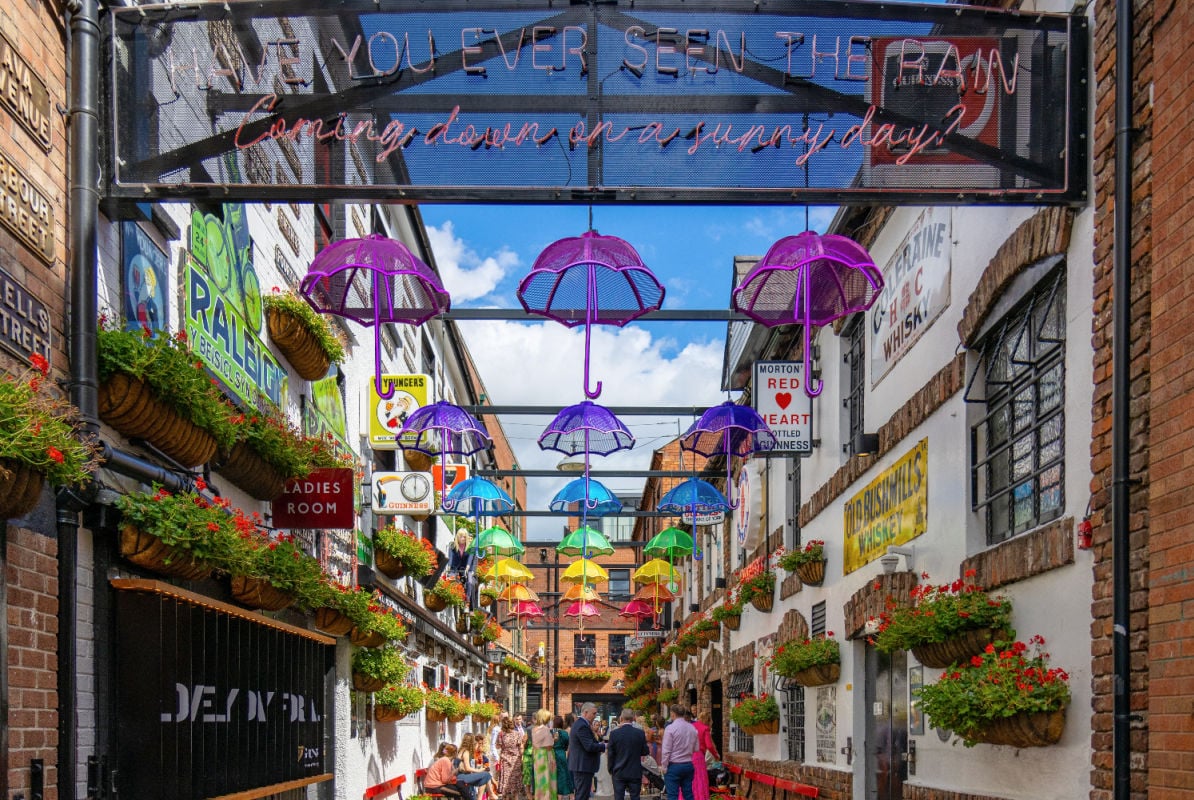
Share the article
Is it Ireland? Is it Great Britain?
We let you decide.
But there’s no doubt that this emerging city is moving beyond its reputation as a “soccer city” (ahem, soccer) into a new travel hotspot.
It used to have a rough-on-the-edges character with lots of crime and political turmoil, but today it’s become one of Britain’s coolest cities – and more travelers say it stands out. local sources.
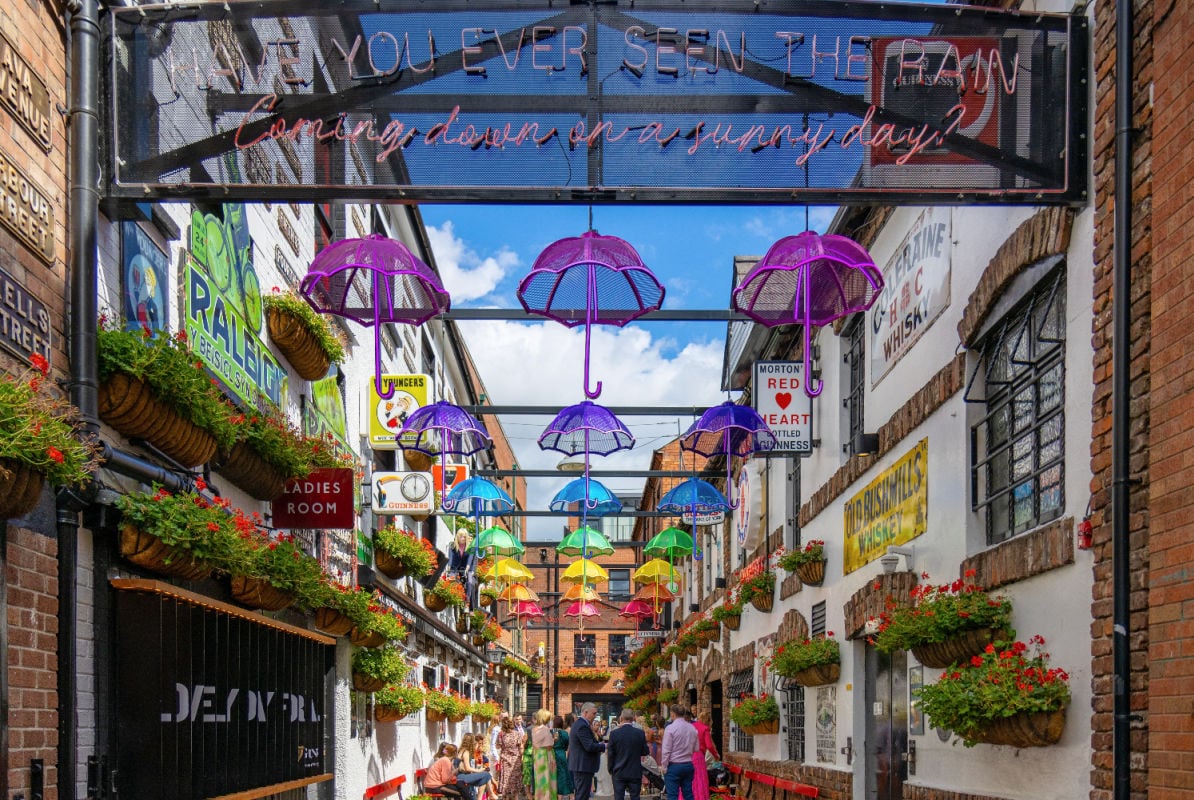
You might need to pull out a map or ask ChatGPT for a geography lesson on this – and maybe a history lesson too, if you really want to delve deep into this trendy city’s tumultuous timeline.
That said, not to be ticked off factual Ireland, but Northern Ireland is part of the United Kingdom and is home to incredibly dramatic coastlines that are often overlooked when taking a trip ‘across the pond’.
Whether you’re looking for new experiences far away from London, or just want to see what the hype is about, Belfast is perfectly suited as a destination in its own right, but can also serve as a starting point for locally cherished coastal villages.
Tourists ignore the football reputation and discover a city reborn
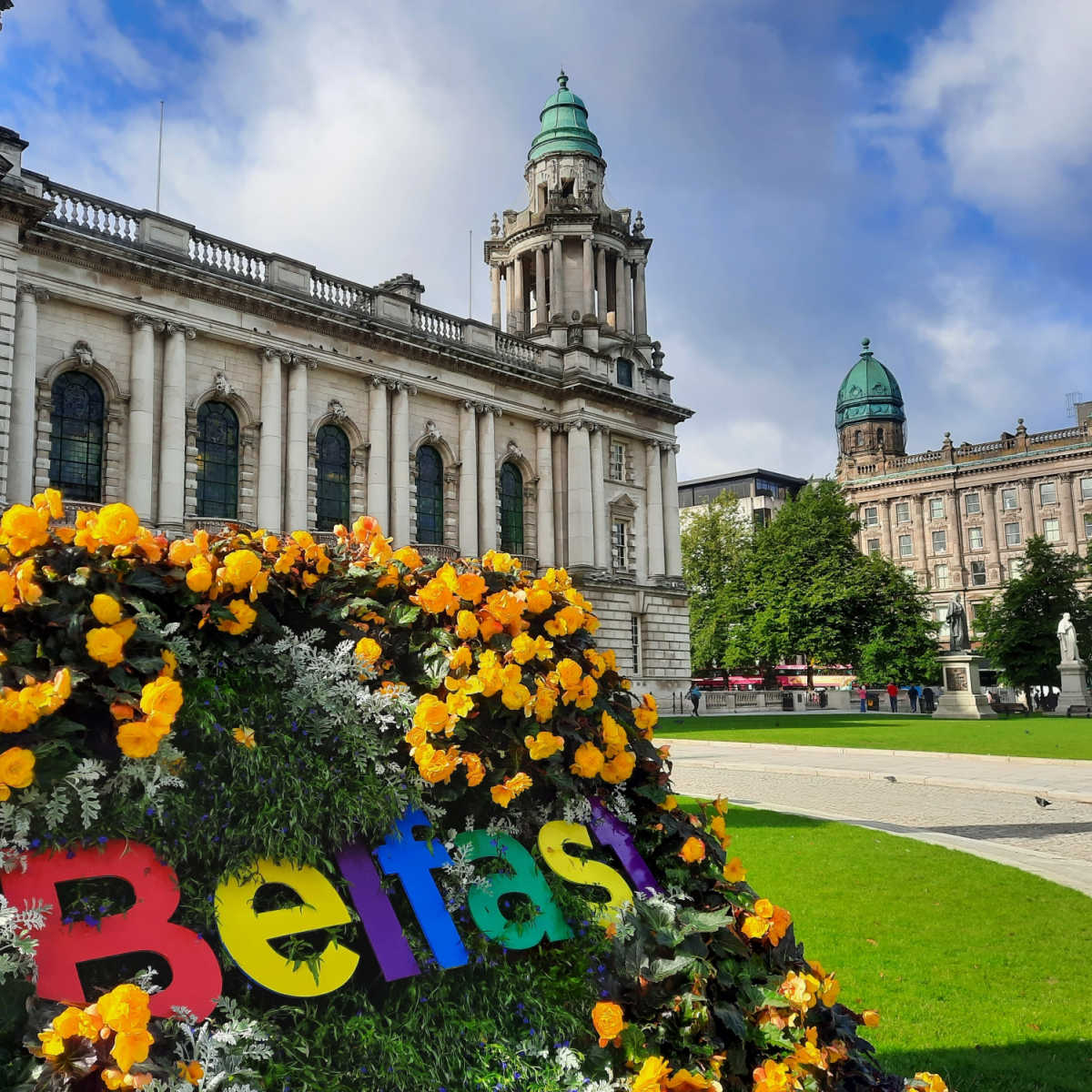
Returning to a tumultuous timeline, for a decades-long period from the 1960s to the 1990s, Belfast was not a place you would want to be.
But today it is a completely renewed city, one that locals and those who have been there hold near and dear.
Instead of boring streets full of trash and obnoxious political graffiti, and sometimes even full-fledged riots, Belfast has, literally, found a sense of peace after the Good Friday Agreement was set in motion.
While some people still debate who owns it, from a traveler’s perspective, just know that it feels brand new, unlike overly curated experiences in more popular locations.
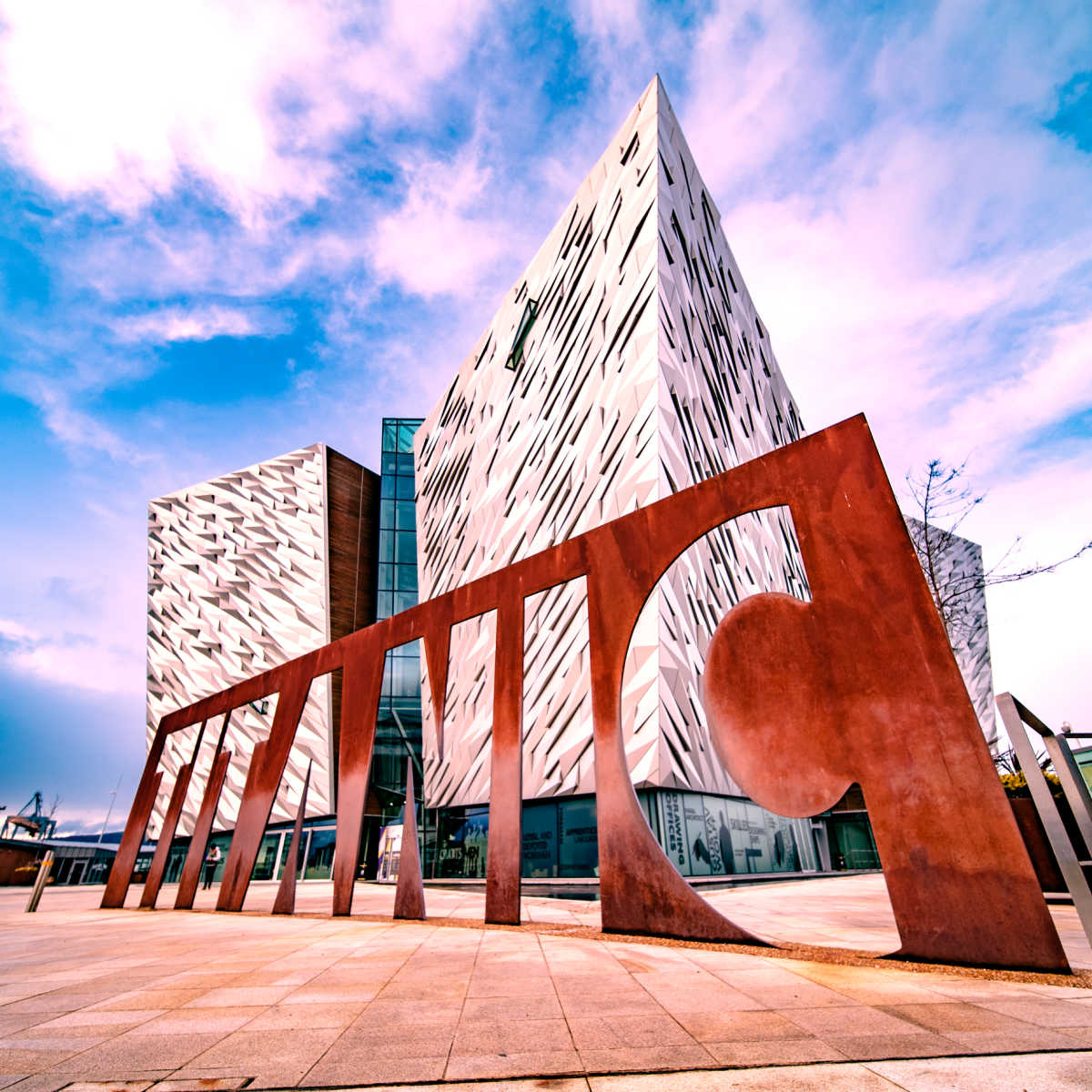
There is a palpable buzz and energy that permeates both its modern skyline and its legendary wonders – a city that seamlessly blends past and present.
And while they are a bit quirky (aren’t we all), there are some special attractions that you wouldn’t expect, such as Titanic Belfasta renowned museum that follows the ship’s story from a Belfast shipyard to its doomed voyage.
Overall, to use a local term, this city leaves visitors “dumbfounded” with its unexpected delights, no matter how it is geographically defined.
Belfast is cheaper than Dublin and London
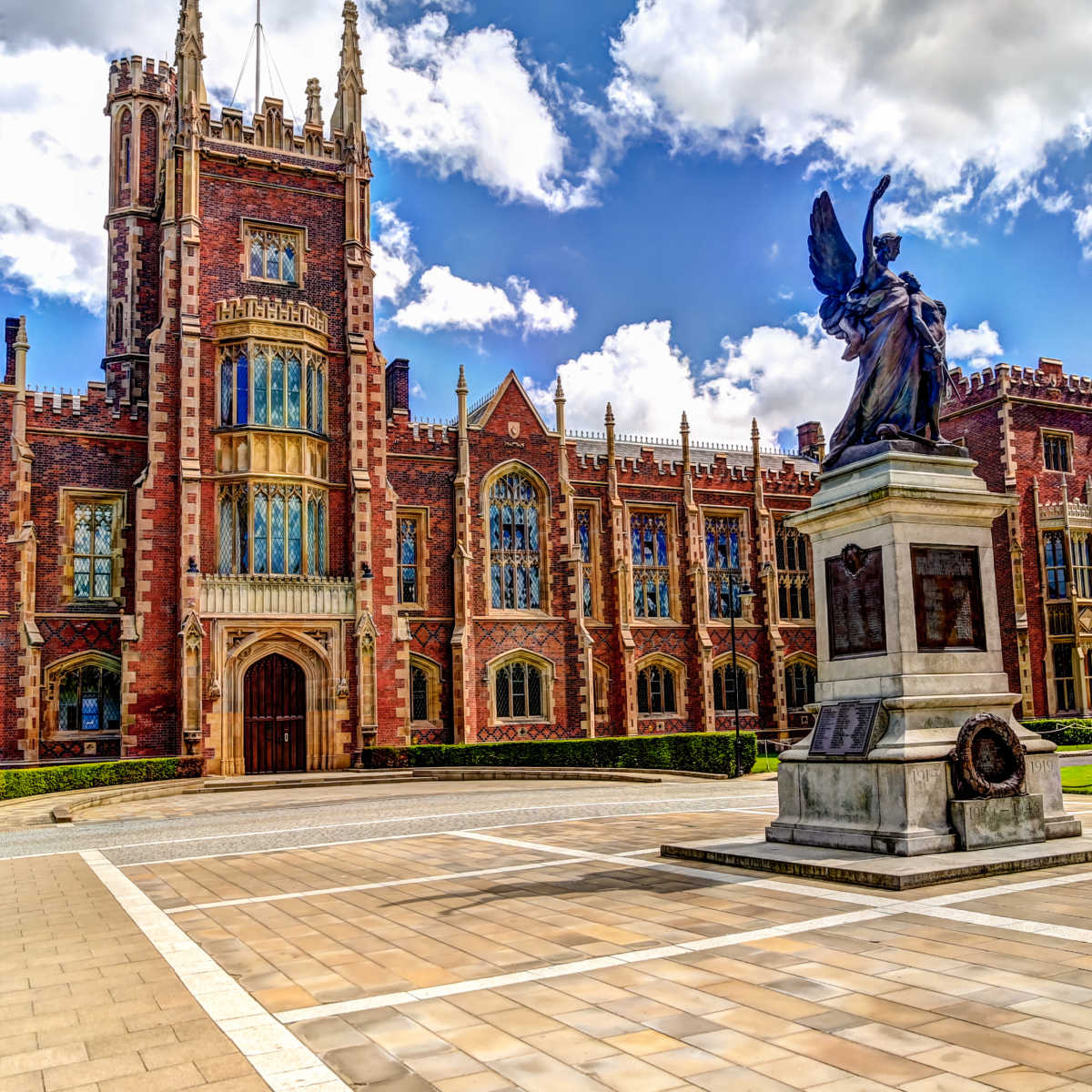
Call it what you want, but Northern Ireland uses the British pound, not the Irish euro.
As such, you won’t want that pound your fist through a wall when the bill comes, like I do in London pubs.
Let’s look at some typical costs in all three cities, shall we?
According to our own data from our Traveler dashboardDublin averages:
- Hotel (per night): $200 – $350
- Dinner for two: $80 – $130
- Beer: $7 – $10
- Coffee: $4 – $6:
- Taxi/Uber (10 min): $12 – $20


As for London, your wallet may shed a tear in your beer:
- Hotel (per night): $250 – $400
- Dinner for two: $90 – $150
- Beer: $7 – $10
- Coffee: $4 – $6
- Taxi/Uber (10 min): $15 – $25
Whether you call it Irish or not, visit Belfast without indulging in trendy restaurants and classic pubs in the potentially sacrilegious neighborhood Cathedral district is, well, practically a sin.
According to NumbeoHere’s a rough estimate of what you’ll spend in Belfast, plus a few others we’ve picked out ourselves:
- Dinner for two: $81-$134
- Beer: $7 – $10
- Coffee: $4 – $7


Hotels are also a lot cheaper. For example, if you want to book a trip this spring, Hilton Belfast gives you great value ($118 per night) and a trusted name, earning the Travel Off Path seal of approval.
Belfast also has Uber, where travelers on Reddit rave about the fast pick-up times. Please note that you can hop aboard one public bus or train for less than $4 for quick rides around town, or a little more for the aforementioned coastal charmers Londonderrywhere the nearby 11 kilometer long Benone Beach is a must-see.
How safe is Belfast now?
Are safe to say that Belfast is safer than London.
We probably don’t need to rehash many ugly headlines from London, but Belfast isn’t that well known worldwide.
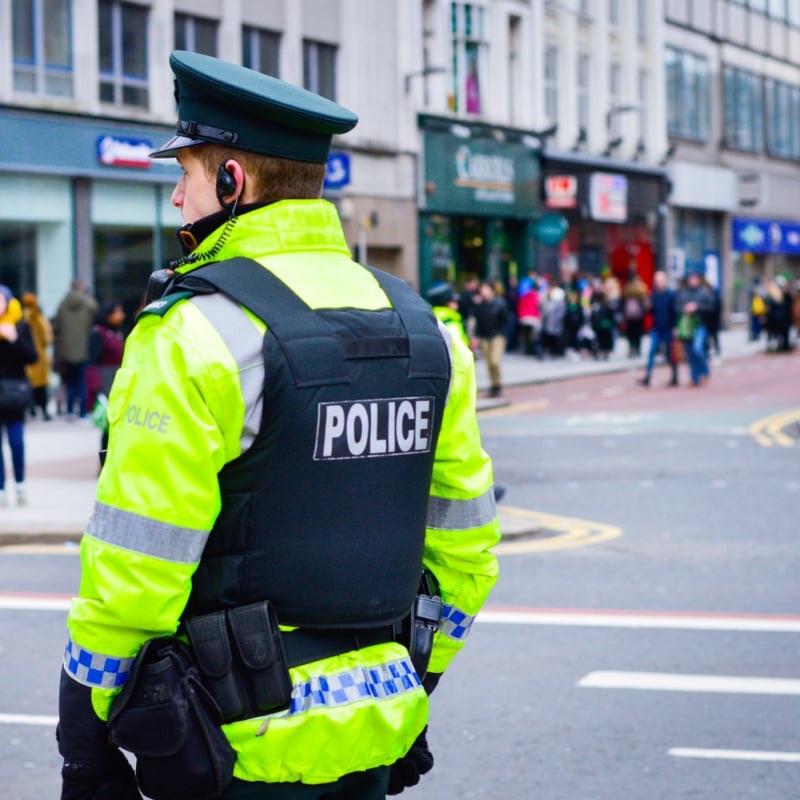
According to Travel Safe Abroad, Belfast barely made it into Britain’s top 10 ‘most dangerous’ cities, behind the more notable Leeds in third place, London in fourth and Liverpool in fifth.
Their December report states: “Belfast is home to more than 640,000 people, with an overall crime rate 125% higher than that of Northern Ireland and 34% higher than the English average.”, also noting that public transport is generally safe during the day, while tourists should be extra wary of pickpockets on busy streets.
For what it’s worth, if London is Britain’s fourth most dangerous destination, travelers rate it 79/100 in real time Travel Safety Index Toolflagging reports of harassment, theft and fraud.
That’s a solid score for a major city given its gigantic population, comparable to tourism powerhouses like Paris and San Francisco.
Therefore, Belfast would probably rank higher, given the complete improvement and strengthened security measures since the dark days of sectarian conflict.
That was indeed the case last spring reported Northern Ireland saw the second lowest crime level since the late 90’s.


