


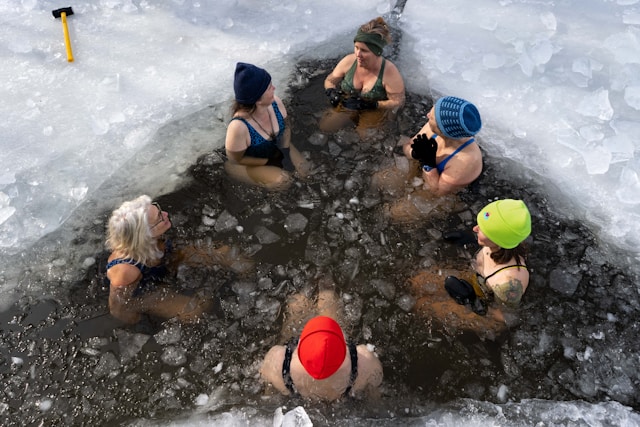
Cold plunges have transcended mere social media fads and elite athlete circles. An increasing number of women are incorporating cold water immersion into their holistic wellness routines, as emerging research indicates potential benefits for recovery, mood enhancement, resilience, and overall physical health. While submerging in icy water isn’t a universal remedy, it has emerged as a practical strategy for women seeking to feel invigorated, enhance post-exercise recovery, and embrace healthy challenges. As scientists delve deeper into the effects of cold exposure on the body, the focus is shifting from sensationalism to substantiated evidence.
Creating the Ideal Cold Plunge Setup
For numerous women, ease of access is a crucial element in adhering to any wellness practice. A compact cold plunge tub significantly simplifies the integration of cold water therapy into a regular routine, eliminating the need for extensive outdoor installations or costly renovations. These space-efficient tubs can be placed in garages, patios, home gyms, or even some bathrooms, making regular use much more achievable.
The principles behind cold immersion hinge on the body’s innate response to lower temperatures. Blood vessels constrict momentarily, heart rate fluctuates, and the nervous system becomes more alert. Upon exiting the water, circulation improves as the body warms back up. Ongoing research is exploring how these physiological responses may affect recovery, inflammation, and mental wellness over time.
Many women find that cold plunges promote consistency rather than intensity. Sessions typically last only two to five minutes, making them easier to incorporate into hectic schedules compared to lengthy wellness practices. Beginners can start with moderately cool water instead of frigid temperatures, allowing them to gain confidence while still receiving many of the same physiological benefits.
Recovery Beyond Athletic Performance
One of the most extensively researched applications of cold water immersion is exercise recovery. Women engaged in strength training, running, cycling, hiking, or recreational sports often encounter muscle soreness following strenuous workouts. Cold exposure may alleviate this soreness by temporarily diminishing inflammation and slowing down some of the processes that lead to post-exercise discomfort.
Recovery extends beyond physical muscle repair. Numerous women report feeling mentally rejuvenated after a cold plunge, especially after stressful workdays. The combination of focused breathing and controlled exposure to discomfort fosters mindfulness without necessitating a structured meditation practice. Instead of being overwhelmed by racing thoughts, many individuals emerge from the water feeling alert, calm, and ready to face the remainder of the day.
This does not imply that every workout should conclude with a cold plunge. Some sports scientists advise against immediate cold immersion post certain strength training sessions, as inflammation plays a crucial role in muscle adaptation. Timing is essential; hence many women opt for cold plunges on recovery days or after endurance workouts rather than after every lifting session.
Insights from Research
The current enthusiasm revolves around increasing research into the advantages of ice baths. Studies indicate that cold water immersion may contribute to a reduction in delayed onset muscle soreness, enhance perceived recovery, and stimulate the release of chemicals that affect mood and alertness. Researchers are also examining how repeated cold exposure impacts metabolism, immune function, and resilience to stress.
Women might encounter additional benefits as recovery can become more challenging during demanding life phases that involve careers, caregiving duties, fluctuating hormone levels, and active lifestyles. While cold plunges are not intended to treat hormonal changes, some women discover that regular cold exposure helps them feel more energized and mentally sharp throughout the day.
Experts consistently stress the importance of maintaining realistic expectations. Cold water therapy should support healthy lifestyles rather than substitute them. A balanced diet, regular physical activity, quality sleep, and effective stress management form the cornerstone of long-term wellness. Cold plunges yield the best results when they are integrated as one component of a broader strategy rather than being viewed as the sole solution.
Sustaining Cold Plunges as a Wellness Practice
A primary reason cold plunges are gaining traction is that the experience becomes more manageable with practice. The initial session can feel daunting, but mastering controlled breathing techniques enables many women to stay calm as their bodies acclimate to the cold. Gradually entering the water, maintaining steady breaths, and concentrating on remaining composed can significantly enhance comfort during the process.
Prioritizing safety is paramount. Anyone with cardiovascular issues or other medical conditions should consult a healthcare professional before commencing cold water immersion. Beginning with shorter durations and warmer temperatures allows the body to adapt while minimizing potential risks.
Consistency often yields more favorable outcomes than pushing oneself to extremes. Spending a few minutes in cold water several times each week typically proves more sustainable than attempting excessively long or painfully cold sessions. Like most wellness practices, sustainable routines tend to outperform dramatic efforts that quickly become challenging to maintain.
Cold plunges appear to be transitioning from a fleeting trend into a lasting wellness practice, increasingly supported by scientific research. Women are turning to cold plunges as a straightforward method to aid recovery, enhance focus, and cultivate resilience while accommodating their busy lifestyles. As more studies emerge, cold water immersion will likely continue to secure its position alongside other evidence-based practices that empower women to feel stronger, healthier, and better equipped for daily challenges.