

Share the article
Another year has passed and Italy still has not solved the intolerable problem of overtourism.
Whether you’re in Rome, Florence or Venice, waking up at 5am to take photos without an audience is no longer an option, and wandering around without constantly encountering other people isn’t an option either.
It was time for the Italian Tourist Board, known by its Italian acronym ENIT, to take matters into its own hands.
Next year, instead of coming up with a more ingenious way to make the usual tourist hotspots more expensive to visit, ENIT will launch the ‘Luminous Destinations 2026‘project.
Long story short, they actively encourage tourists to visit lesser-known parts of Italy that haven’t yet been visited by the masses, as in their own words: ‘99% of Italy is still undiscovered‘.
According to President Alessandra Priente, they are ‘grateful for Venice, Florence, Milan, Naples and Capri’, but the focus now is on drawing attention to Italy’s overlooked regions and turning them into the next big thing.
Of the areas hand-picked for the ‘Luminous Destinations’ push, five in particular stand out, and they’re practically begging for more tourists in 2026:
Apulia, Italy
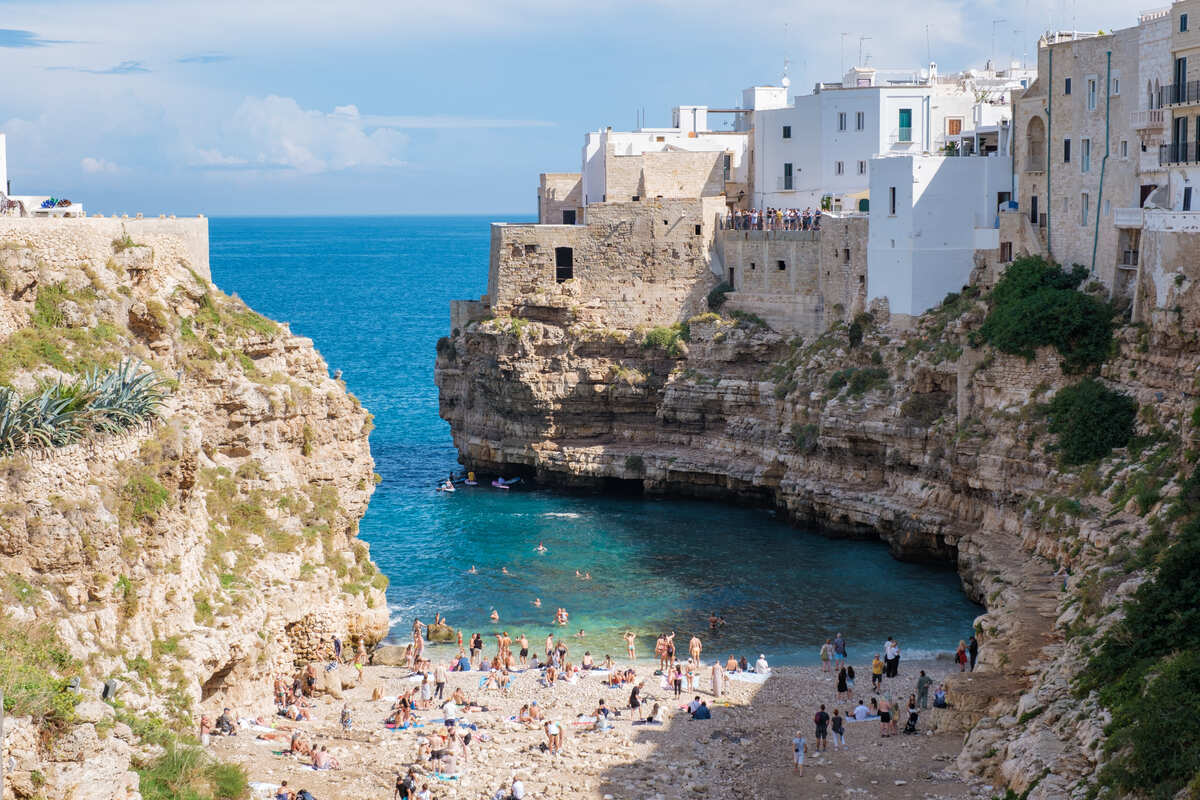
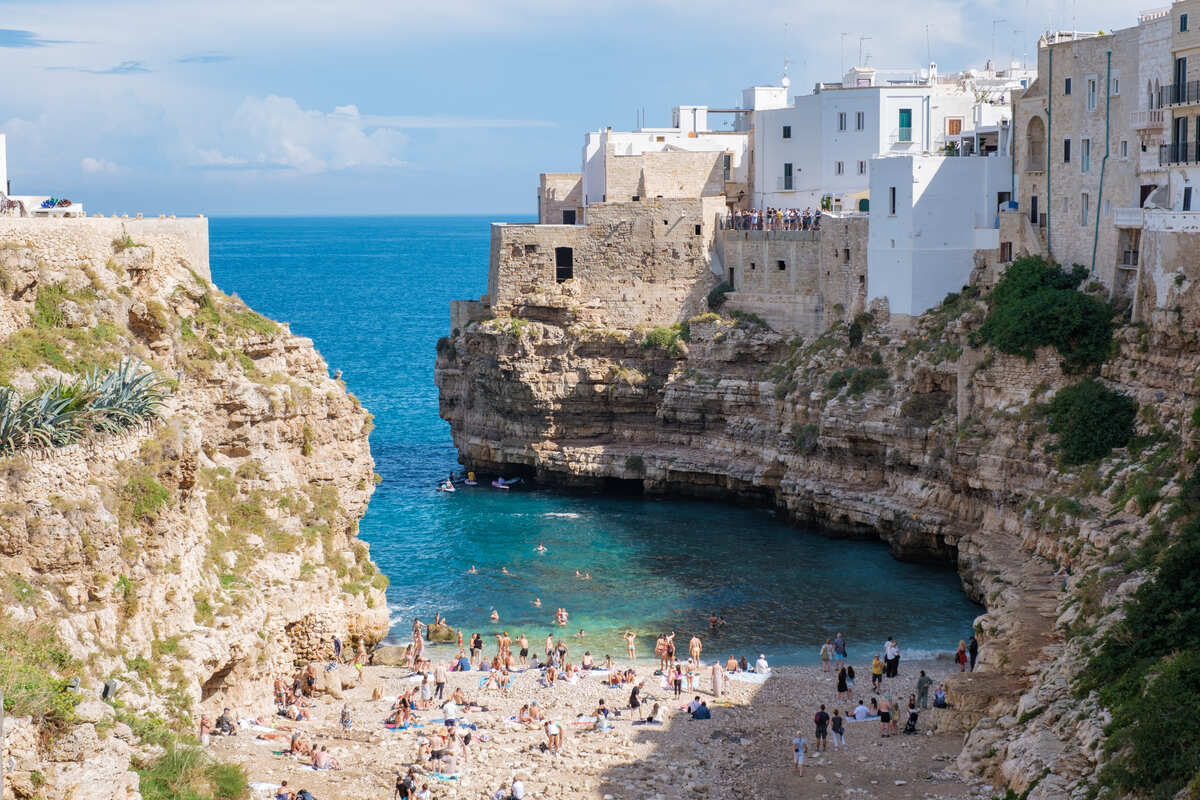
Located on the Adriatic Sea, with whitewashed houses clinging to steep cliffs and tranquil pebble beaches surrounded by turquoise seas, Puglia is one of Italy’s best-kept secrets that has only recently gained popularity.
It has a vibrant capital in Bari, with a picture-perfect maze of a medieval core, peppered with family businesses trattoria and Romanesque churches, although the true charm lies in the smaller coastal towns that see only a small part of the hustle and bustle of Amalfi.
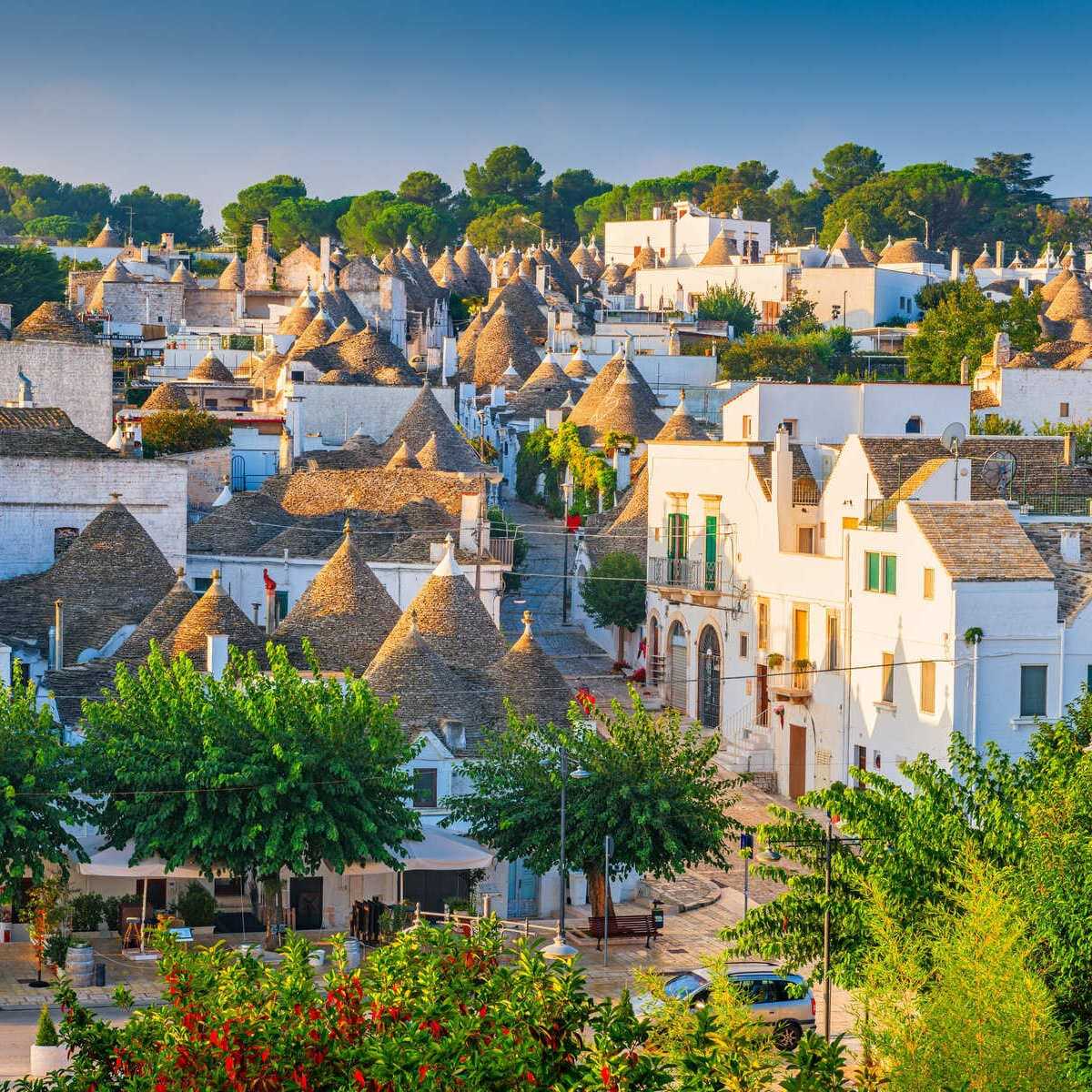
Not sure where to go? Think Polignano a Mare, with its iconic white-pebbled bay flanked by coastal cliffs, or Alberobello, home to the UNESCO list trulli housesand then there is Lecce, which is also called the ‘Florence of the South’ due to its high concentration of Renaissance monuments.
Basilicata
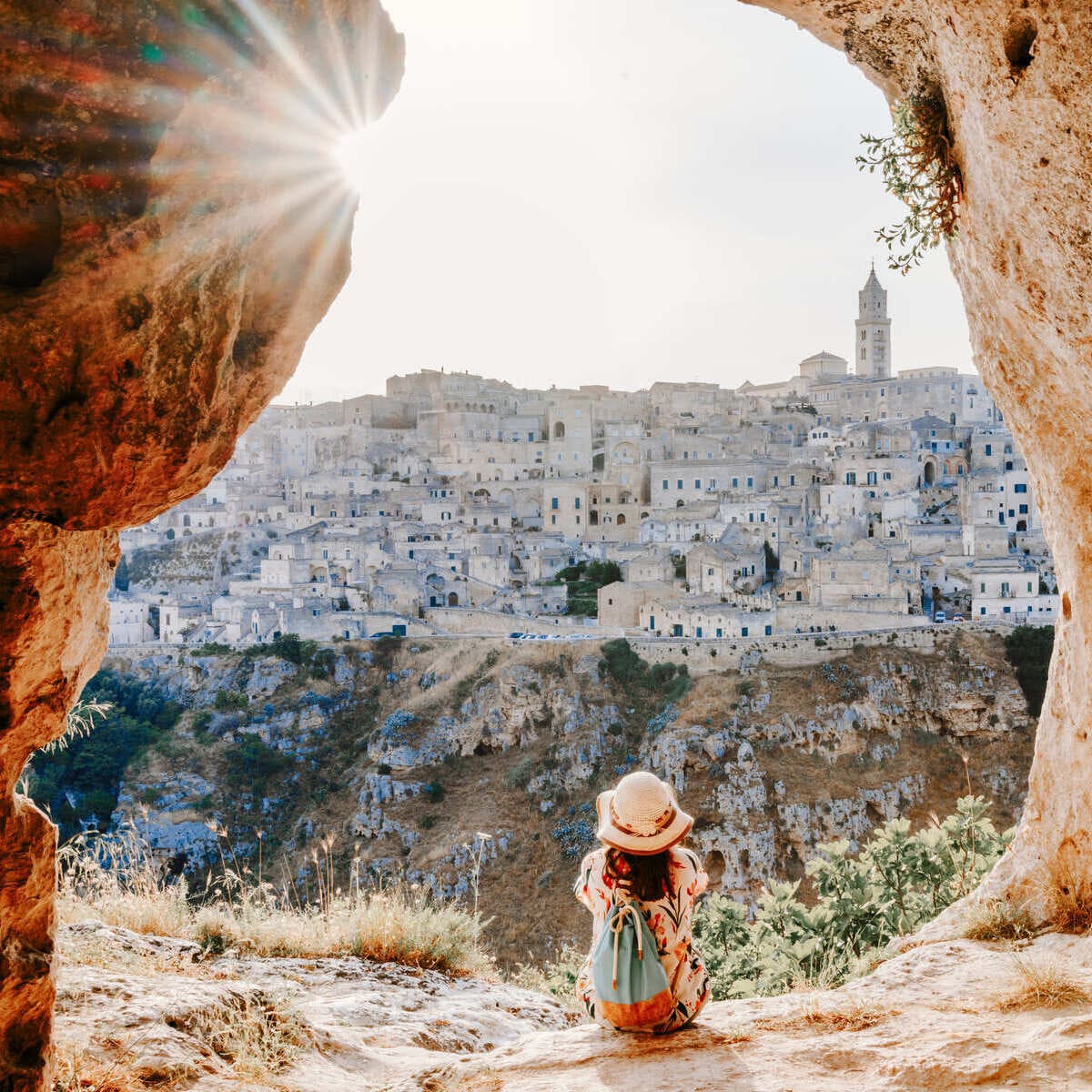
Bordering Puglia, Basilicata is an equally underrated southern Italian region that lays claim to a handful of the country’s top cultural attractions. Surprisingly, these are hardly known in traveler circles, with the exception of Matera:
Considered the oldest continuously inhabited city in the world, Matera is famous for its rock-hewn mansions and churchesand limestone-paved paths dating back thousands of years, but it’s far from Basilicata’s only attraction.
A short drive from Matera is Pollino, a national park with deep gorges, dramatic forested ridges and nature reserves. Additionally, if you’re looking for a taste of Rio in Italy, Maratea is Basilicata’s main seaside resort, located on the Tyrrhenian Sea and guarded by a statue of Christ the Redeemer.
Le Marche

Le Marche, an eastern Italian region wedged between the Apennines and the Adriatic Sea, is among Italy’s least visited destinations, and we can’t quite understand why, given its fascinating history and wealth of both natural and cultural destinations.
Capital Ancona is a busy port bordering the sandy coves and limestone cliffs of the Riviera del Conero, while picturesque Urbino is a UNESCO-listed Renaissance hilltop town dominated by a ducal palace.
In Frasassi you can visit one of the most impressive and largest cave systems in Europe, and if you’re looking for that fairytale town untouched by the TikTok hordes, Corinaldo is still surrounded by imposing medieval walls and has that dreamy storybook feel.
Abruzzo
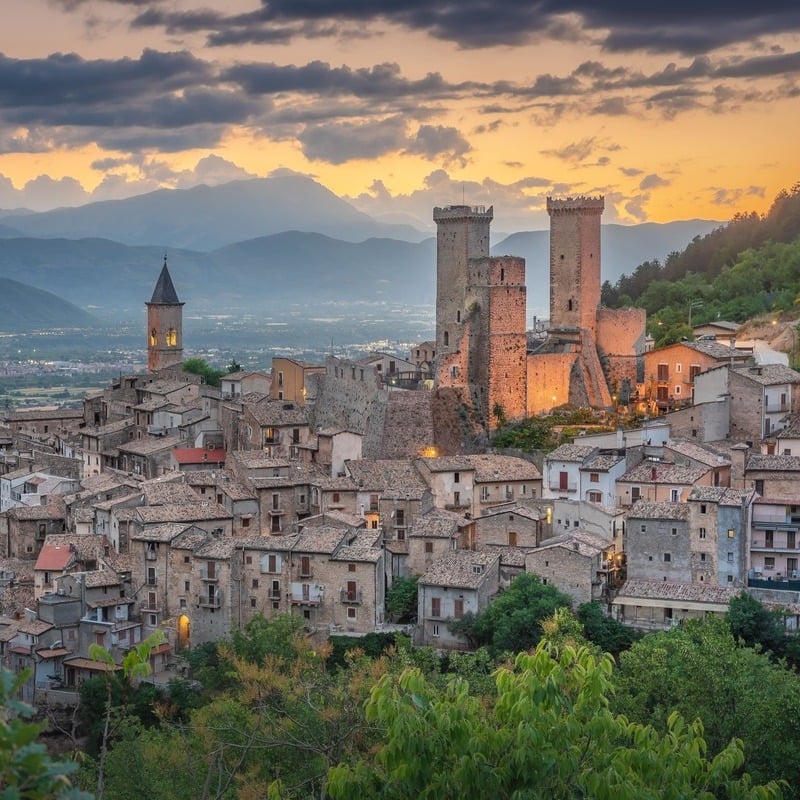
With a capital just crowned Italy’s best cultural destination for 2026, Abruzzo is a hidden treasure yet to be unearthed. Oh, and believe us when we say that L’Aquila’s picturesque alleys and royal palaces are just the tip of the iceberg.
As well as exploring this cultural juggernaut of a capital, make sure you venture into the Abruzzo countryside, where picturesque lakes such as Scanno and unspoilt mountain villages such as Santo Stefano di Sessanio await discovery.
We could go on, but our favorite destination in Abruzzo must be Pacentro, an unheard of village high on a hill, complete with tall medieval towers, vaulted corridors and crowd-free piazze.
Sardinia

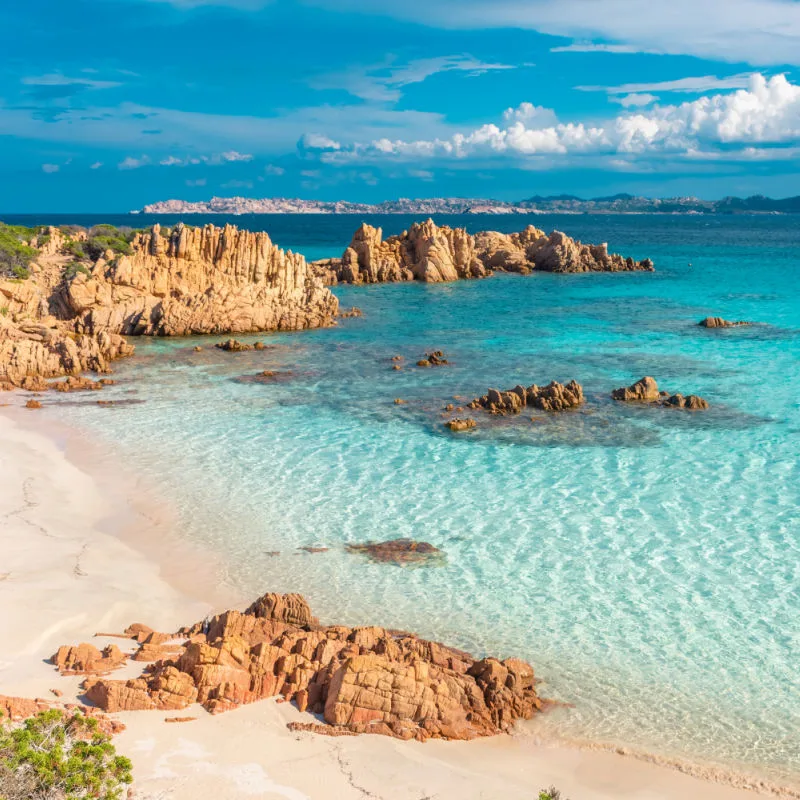
Sardinia is the newest Italian island to host non-stop transatlantic flights resulting in a significant increase in demand in 2026, and if we were you, we wouldn’t keep waiting for it to be as full as post-White Lotus Sicily.
Whether it’s beach hopping in the paradise north, surrounded by the aptly named Costa Smeralda‘s white sandy beaches and blue-green seas, or exploring the fortified coastal towns of the south, such as the island capital Cagliari, this is a Mediterranean retreat meant to be enjoyed at a leisurely pace.
Not to be missed if you fly to Sardinia from New York in the spring: the Maddalena Archipelago, a series of smaller islands just off the coast of northern Sardinia, known for their wild beaches, rich marine life and colorful fishing villages.

Subscribe to our latest posts
Enter your email address to subscribe to the latest Travel Off Path breaking travel news, delivered straight to your inbox.