


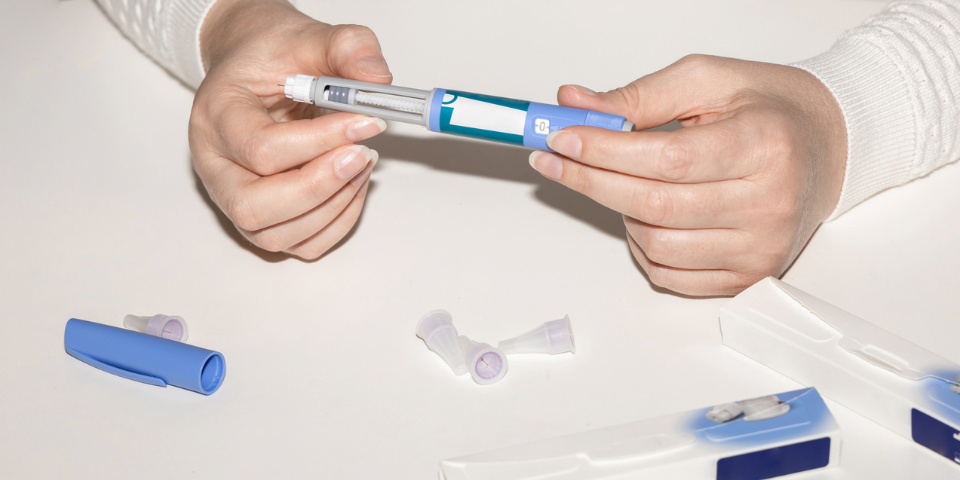
If you’re exploring innovative methods to enhance your weight loss journey, you’ve likely come across incretin mimetic medications such as Mounjaro, Ozempic, Rybelsus, Wegovy, and Zepbound. Numerous users have reported substantial weight reduction while using these treatments.
But what occurs when you discontinue these incretin mimetics for weight management? Is weight gain inevitable after stopping, or is it possible to maintain your progress without ongoing use?
In brief: Ceasing the use of incretin mimetics will probably result in regaining a significant portion of the weight you previously shed.
This realization can be disheartening, especially when you consider the potential drawbacks of long-term usage. For instance, the expense — both Mounjaro and Ozempic cost around $1,000 for a month’s supply. Your out-of-pocket expenses may fluctuate based on your insurance coverage, but they can accumulate rapidly, particularly if you need to include them in your monthly expenses indefinitely.
Additionally, these medications are relatively new, which raises questions about their long-term effects. It’s crucial to consider all potential risks and benefits before deciding if incretin mimetics are suitable for your needs. Always consult your healthcare provider before initiating (or discontinuing!) any medication.
If you’re contemplating using incretin mimetics or similar treatments for weight loss, here’s what you should know.
How Do Mounjaro and Ozempic Operate?
Mounjaro, Zepbound, Ozempic, Rybelsus, and Wegovy function by emulating metabolic hormones known as incretins. This is why these medications are classified as incretin mimetics.
This hormonal mimicry enhances the body’s capacity to maintain stable blood sugar levels while also diminishing appetite and food consumption by inducing a feeling of fullness more rapidly and sustaining it longer after meals. Consequently, many individuals experience weight loss as an additional benefit.
While these drugs share similar operational mechanisms, there are notable distinctions regarding their specific actions and intended applications.
Semaglutide’s Mechanism of Action
Ozempic, Rybelsus, and Wegovy are produced by Novo Nordisk and contain the same active component, semaglutide. By mimicking a hormone called glucagon-like peptide-1 (GLP-1), semaglutide aids in stimulating insulin production, slowing digestion, and curbing appetite.
Ozempic (injection) and Rybelsus (oral form) are both FDA-approved as primary treatments for type 2 diabetes. Nevertheless, physicians may sometimes prescribe these medications off-label — meaning not as indicated — for weight management.
Conversely, Wegovy is an FDA-approved injectable formulation of semaglutide designed specifically for weight management. It is intended for adults classified as obese or overweight individuals with at least one weight-related health issue.
Tirzepatide’s Mechanism of Action
The active ingredient in both Mounjaro and Zepbound is tirzepatide. Similar to semaglutide, tirzepatide mimics the GLP-1 hormone and enhances insulin sensitivity. However, tirzepatide also mimics the gastric inhibitory peptide hormone (GIP), which assists in promoting insulin secretion and regulating appetite and satiety.
“Research has indicated that tirzepatide leads to greater weight loss compared to semaglutide,” states Mir Ali, MD, a bariatric surgeon and medical director at MemorialCare Surgical Weight Loss Center in Fountain Valley, CA. “This is believed to be due to its interaction with two receptors instead of just one.”
Mounjaro and Zepbound, both administered through weekly injections, are produced by Eli Lilly. Mounjaro is FDA-approved as a medication for diabetes, while Zepbound is approved for weight management in adults with obesity or overweight individuals with at least one weight-related health condition. (Sound familiar?)
Like Ozempic and Rybelsus, Mounjaro may also be prescribed off-label for weight loss.
What Occurs When You Cease Using GLP-1 Medications for Weight Loss?

Incretin mimetics can aid in weight management while they are being administered. However, upon discontinuation, your metabolic function will return to its baseline state, and you can expect the scale to reflect this change.
Here are several common consequences of stopping Mounjaro, Ozempic, and similar medications:
1. Your Appetite Will Return
“The primary effect of incretin mimetics for weight loss is appetite suppression and delayed gastric emptying,” explains Ali. “Once the medication is halted, appetite levels revert to their original state, and gastric emptying resumes at the standard rate. These changes can lead to increased food intake.”
2. You’re Likely to Regain Much of the Weight You Lost
As your appetite rebounds, monitoring your calorie intake becomes crucial. “If patients are not vigilant, they may begin to regain weight,” warns Ali.
A clinical study revealed that one year after discontinuing incretin mimetics, participants had regained an average of two-thirds of the weight they had initially lost. Their cardiometabolic enhancements also reverted to baseline levels.
3. Your Blood Sugar Levels May Increase
Upon stopping incretin mimetics, Ali notes that insulin secretion will return to its prior state, and you may observe a rise in your blood glucose levels. In a recently published peer-reviewed study, participants were divided into four groups. Three groups received varying doses of tirzepatide, while the fourth was administered dulaglutide, another diabetes medication.
After one year, all three tirzepatide groups exhibited greater improvements in blood glucose levels compared to the dulaglutide group. However, two months post-treatment cessation, all four groups experienced elevated blood glucose levels again — and the tirzepatide groups were already facing weight gain.
The study’s authors concluded that their findings “indicate a need for continued prescriptions or careful monitoring upon cessation.”
Is It Possible to Simply Stop Taking Mounjaro and Ozempic?
Considering the profound impact that long-term medications such as semaglutide and tirzepatide can have on the body, abruptly quitting is not recommended without medical supervision. However, there is no solid evidence to suggest that stopping these medications will lead to severe withdrawal symptoms.
Nonetheless, emerging research indicates that many individuals experience a “rapid rebound” in blood glucose levels and weight gain after discontinuing incretin mimetics. These effects “are not regarded as withdrawal symptoms, but rather a return to the patient’s prior physiological state,” Ali explains.
Maintaining Weight Loss After Discontinuing Incretin Mimetics
If you’ve achieved your weight loss objectives, it may be feasible to stop using semaglutide and tirzepatide while minimizing weight regain. However, you must be ready to implement the following lifestyle modifications:
“If a patient can make significant, long-term dietary and lifestyle adjustments, they stand a better chance of maintaining weight loss after discontinuing the medications,” Ali suggests.
Always remember to consult a healthcare provider before stopping and resuming Mounjaro, Ozempic, or any other similar medications.
If you’re in search of an effective at-home healthcare solution, Hello Alpha connects you with certified professionals. They provide 24/7 messaging with licensed clinicians, prescribe and deliver medications, and offer confidential, personalized guidance on weight loss, mental well-being, and GLP-1 drugs.
Should You Think About Using Weight Loss Medications?

Incretin mimetics may be gaining significant attention, but it’s essential to recognize that they are intended for long-term treatment of chronic health conditions — not merely a quick fix for stubborn weight loss.
“These medications are designed for individuals with obesity, defined as having a body mass index over 30, or over 27 with other associated health issues,” Ali clarifies.
Even for those who meet clinical standards, a weight loss medication should not replace a nutritious diet and consistent exercise. In fact, between 20 and 50 percent of the total weight lost while using GLP-1 medications might be due to muscle loss.
GLP-1 Fitness Formula on BODi was designed to mitigate this effect and enhance the efficacy of weight loss medications. By concentrating on three fundamental pillars of fitness — strength training, cardiovascular workouts, and mobility routines — these sessions can help maintain muscle mass, improve metabolic and heart health, and prevent stiffness in joints and muscles.
A weight loss medication is not a substitute for healthy eating habits. Consuming nutrient-rich foods remains the most effective way to obtain essential vitamins, minerals, fiber, and antioxidants.
How Long Do GLP-1 Medications Remain in Your System?
The Food and Drug Administration indicates that the half-life of tirzepatide is approximately five days. Therefore, when you stop taking these medications, it may take about a month for the drug to be entirely eliminated from your system.
The half-life of semaglutide is roughly seven days, meaning it can remain in your system for about five weeks after your last dosage.
However, to preserve their effectiveness, semaglutides and tirzepatides are generally prescribed for weekly administration, and they are designed for extended use. “Obesity is increasingly viewed as a chronic disease, similar to diabetes or hypertension, which means patients may require long-term medication,” Ali notes.